

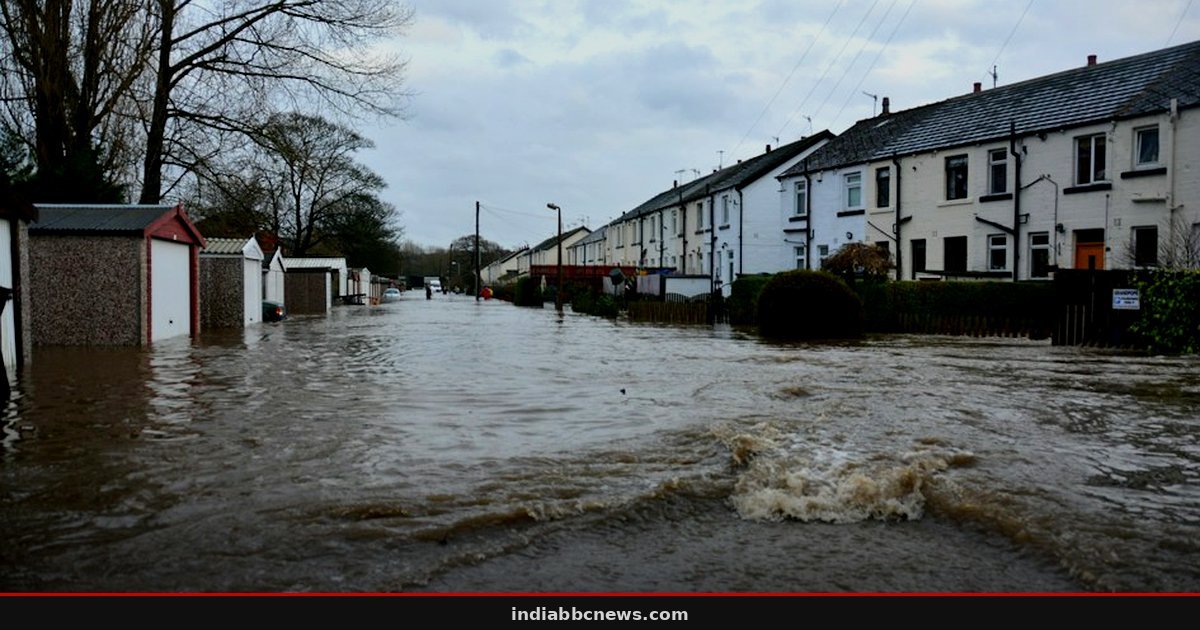
A man has died and 171 others were injured after Typhoon Champi slammed into Taiwan’s coast, forcing authorities to cancel hundreds of flights and shutter the entire economy on Friday. The storm, which briefly became the most powerful system on Earth this year, is now a monster of rain and wind that has paralyzed the island’s northeast while threatening to sweep into China and Japan.
The death occurred on Liuqiu Island, where a resident was swept away by sudden, towering waves, according to local emergency services. This single tragedy caps a day of widespread disruption. Schools and offices across nearly all 22 counties and cities in Taiwan were closed in what locals call a “typhoon holiday.” It wasn’t just a pause in work; it was a total halt. Even the Taiwan Stock Exchange, a market valued at $5 trillion, was closed for the first time in months due to the severity of the weather alerts.
The Weather Engine Behind the Chaos
Champi isn’t just a storm; it’s a symptom of a heating planet. Super El Niño conditions are churning the Pacific Ocean, creating a fuel line for extreme weather events that is stretching the region’s resilience. At its peak earlier in the week, the system hit maximum sustained winds of 185mph (298km/h). That’s Category 5 hurricane intensity. While it weakened slightly as it barreled through the Philippine Sea, it emerged on Friday afternoon packing gusts of 191kph (119mph). The Central Weather Administration (CWA) in Taiwan warned that 90cm (35in) of rain could fall in the northeast before the storm moves on.
The path is tricky. Forecasts from agencies in Taiwan, Hong Kong, and Japan suggest the eye will pass just offshore, sparing the island from direct landfall. But one CWA forecaster told Reuters that they can’t rule out a hit, especially if the storm “stalls, loops, or wobbles from side to side.” That wobble could turn a near miss into a disaster. The heaviest rainfall is expected to peak Saturday morning, battering the island until evening. Authorities are urging citizens to stay far away from coasts and mountainous areas, where flash floods and landslides are likely.
Ripple Effects Across the Asia-Pacific
The disruption didn’t stop at Taiwan’s borders. In Japan, the storm’s outer bands have already made landfall in the Okinawa islands. Okinawa Electric Power reported power outages affecting nearly 8,400 households. More than 160 flights were canceled across four major Japanese airlines, stranding travelers and complicating logistics for a region already reeling from supply chain issues.
Closer to home, in the Philippines, the Batanes island chain is taking a direct hit from the heavy rains and winds. Local government officials posted photos on Facebook showing waves crashing over seawalls and roads closed to traffic. While there were no immediate reports of casualties in the Philippines, the scenes are stark: a community bracing for impact with limited infrastructure to buffer the blow. This is the third major storm to hit the region in under a month, testing the recovery efforts from previous typhoons.
Here’s a detail that underscores the scale: despite the chaos, Kinmen County, a small archipelago west of Taiwan, did not cancel classes or work. The weather there was significantly milder, a testament to how localized these typhoon impacts can be, even when the news cycle paints a picture of total regional shutdown.
Why This Season Is Breaking Records
Japan has already counted 30 typhoons this year. This is the first time since 2013 that the country has seen such a high count. The frequency is alarming. Normally, typhoon seasons follow a predictable rhythm, but the strong El Niño is disrupting that pattern, pushing storms further east and making them more intense. For meteorologists, this isn’t just a bad year; it’s a data point that suggests a new baseline for extreme weather in the Asia-Pacific.
The economic toll is mounting. With the stock market closed and flights canceled, businesses are facing lost revenue and logistical nightmares. The tourism sector, a vital part of Taiwan’s economy, is taking a hit as visitors scramble to rebook or cancel trips. The human cost is higher still. Evacuations of 1,000 people in Taiwan alone indicate that the threat is real and immediate for many residents.
What Happens Next
The next 24 hours are critical. If Champi stays on its projected curve, it will hover over the waters off China’s eastern coast before turning northeast toward Japan’s main island. This trajectory means that while Taiwan may escape the direct hit, the rains will continue to cause flooding. In Japan, the main island is bracing for strong winds and heavy rain as the storm approaches. The Japanese meteorological agency has issued warnings for coastal areas, urging residents to stay indoors.
For Taiwan, the focus shifts to damage assessment and recovery. The death on Liuqiu Island will prompt a review of coastal safety measures and emergency response protocols. The economic impact will be assessed in the coming days, with analysts expecting a dip in consumer spending and business activity. The coming days will reveal whether this was a manageable weather event or a significant disruption that highlights the region’s vulnerability to a changing climate.
Frequently Asked Questions
Is Typhoon Champi still active?
Yes, Typhoon Champi remains active and powerful. As of Friday afternoon, it was moving toward the north-east of Taiwan with wind gusts of 191kph (119mph). It is expected to bring heavy rain and strong winds to the region until Saturday evening, after which it will move toward Japan.
When will schools and offices reopen in Taiwan?
Schools and offices in Taiwan are closed on Friday due to the “typhoon holiday.” Authorities have not yet announced a specific date for reopening, but it is expected that normal operations will resume on Monday, depending on the weather conditions and the extent of the damage.
Source: BBC World
This article was compiled by the IndiaBBCNews editorial system from verified international news sources. Facts have been independently reviewed. Original reporting: BBC World.

