


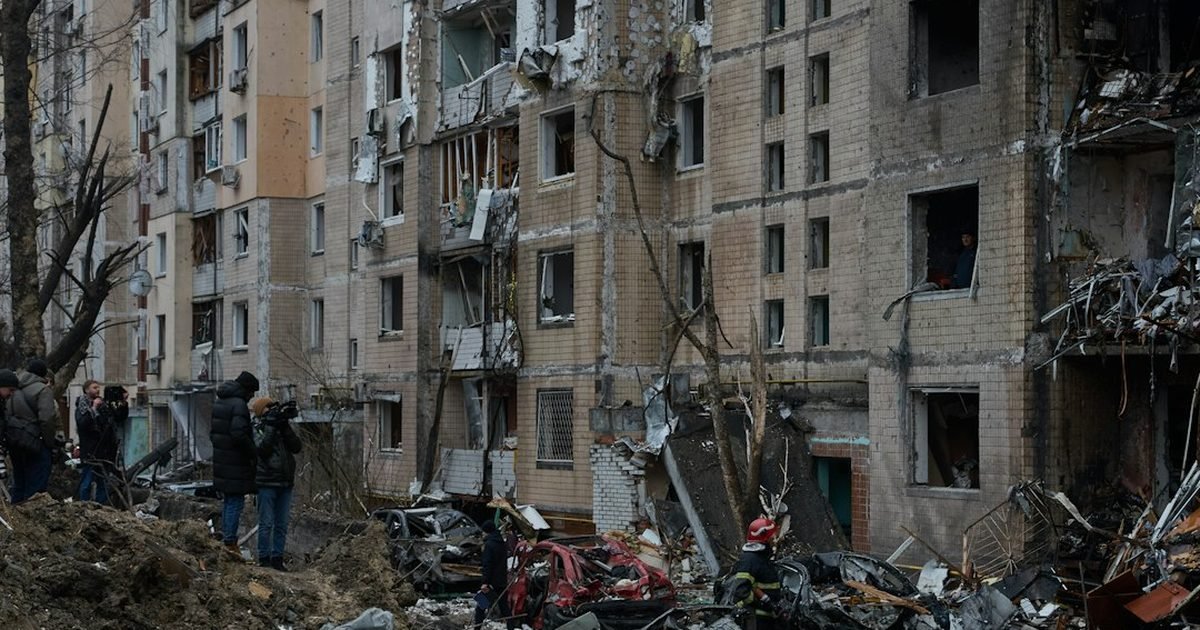
Since Russia’s full‑scale invasion of Ukraine in February 2022, the capital city of Kyiv has endured a relentless assault aimed at breaking the nation’s spirit. While front‑line towns have seen the most visible fighting, the capital has become a new kind of battlefield—one where civilians must constantly assess and accept deadly risks to carry on with their everyday lives.
From Skies to Streets: The Nature of the Threat
Russian forces have shifted tactics over the past year, moving from heavy artillery to precision missile strikes and drone attacks that target infrastructure, residential blocks, and public spaces. In recent weeks, the city has experienced a surge in air raids, with the Russian air force reportedly deploying a mix of guided munitions and unguided rockets. The result is a cityscape littered with craters and a persistent sense of vulnerability.
Living on the Edge: A Day in the Life of a Kyiv Resident
For many, a typical day begins with the sound of sirens—an audible reminder that danger can erupt at any moment. Residents like 32‑year‑old Mariia Petrovna, a schoolteacher, report that she checks the city’s emergency alerts before leaving her apartment. “I can’t afford to be caught off guard,” she says. “The sirens tell me whether to stay inside or move to a safer location.”
Public transport is a gamble. Trains and buses often run on a reduced schedule, and commuters must navigate damaged infrastructure. In the evening, when the city’s lights flicker, many residents opt to stay indoors, using improvised shelters in basements or reinforced rooms. The city’s emergency services, stretched thin, provide limited support, with volunteers stepping in to distribute food and medical supplies to those in the hardest-hit districts.
The Human Cost: Casualties and Displacement
Official figures from the Ukrainian Ministry of Health indicate that over 4,500 civilians have been killed in Kyiv since the start of the conflict, with thousands more injured. The city’s hospitals, already operating at full capacity, are now treating patients with shrapnel wounds, burns, and trauma from blast injuries. In addition, the war has forced an estimated 150,000 residents to flee their homes, creating a surge in temporary shelters and a strain on local resources.
Allegations have surfaced that Russian forces are deliberately targeting civilian infrastructure, including hospitals and schools, to demoralize the population. While independent investigations are ongoing, the pattern of attacks raises serious concerns about compliance with international humanitarian law.
Resilience and Adaptation: Community Efforts to Cope
Despite the grim reality, Kyiv’s residents have organized community networks to support one another. Local NGOs have set up “safe zones” where families can receive shelter, food, and psychological counseling. Social media groups coordinate the distribution of essential items, and volunteers have taken to the streets to repair damaged utilities and clear debris from roads.
In the broader context, the Ukrainian government has implemented a “civil defense” program that includes regular drills, public information campaigns, and the deployment of civil defense units to monitor and respond to threats. These measures aim to reduce casualties and maintain a semblance of normalcy amid chaos.
Looking Ahead: The Path to Recovery
As the war continues, the prospects for Kyiv’s recovery hinge on both military outcomes and humanitarian support. International donors have pledged aid to rebuild damaged infrastructure, but the scale of destruction means that full restoration could take years. Meanwhile, the city’s residents remain determined to rebuild their lives, even as they navigate a landscape that has been turned into a new kind of battlefield.
In the words of Mariia Petrovna, “We keep moving forward, even when the ground shakes beneath us. Our city is resilient, and so are we.”
Source: NYT World

