


A 22-year-old flight instructor died in a field where the grass was still wet with morning dew. The helicopter didn’t even touch the ground before the fire consumed it, leaving only twisted metal and silence near McMinnville. Three lives are gone. It happened on Thursday afternoon, a time when most people in Oregon are thinking about dinner, not disaster.
The collision involved a tiny Robinson R22 and a much larger Airbus H125, a pairing that should have been impossible to miss from miles away. Yet they hit each other in midair, 500 feet above the crops. The sight was horrific, according to witnesses, but the mystery is deeper than the wreckage. We are still waiting for answers from an investigation that will likely take months to unravel.
For now, all we have is the name of the dead and the shock of the living. Two aircraft. One sky. Zero survivors. That’s the brutal arithmetic of midair collisions.
The Physics of a Fatal Mistake
In the 1990s, researchers at the Federal Aviation Administration estimated that pilots are visually limited to detecting other aircraft at about 60% of the range where they actually are. You can be looking right at someone and not see them until it is too late. This is known as dynamic ambiguity, and it is the reason why “see and avoid” is the first rule of flight. It’s also why it fails so often when traffic gets dense or weather rolls in unexpectedly.
The Robinson R22 is a classic training machine, open-cockpited, loud, and unmistakable if you know what to look for. The Airbus is a workhorse, often used for medical transport or corporate travel, flying higher and faster than the trainer. When these two paths cross, the trainer is at a disadvantage. It lacks the radar and traffic awareness systems that larger aircraft carry.
It relies on human eyes. And human eyes, as it turns out, are fallible, tired, and easily deceived by glare or the sheer noise of the cabin.
No Tower, No Rules, No Second Chance
McMinnville Municipal Airport does not have an air traffic control tower. That’s the detail that gnaws at the back of the mind. Pilots there must self-report their intentions on a shared frequency, a chaotic mix of voices calling out positions and headings. It’s a system that works 99% of the time, assuming everyone follows the protocol and stays alert.
On Thursday, something went wrong in that radio silence. Perhaps one pilot was late to report. Perhaps the other was focused on a checklist in the cockpit. The results were catastrophic and final.
Grant Mills, an investigator with the NTSB, confirmed the lack of a tower in a statement to journalists. He noted that this setup places the entire burden of separation on the pilots themselves. There’s no third party watching the radar screens, no voice on the radio telling you to “give way.” It’s a harder sell than it sounds, given the increasing number of drones, gliders, and recreational aircraft cluttering low-altitude airspace. The “uncontrolled” environment is becoming a more controlled hazard, ironically, as the air gets busier. Nobody in the room looked convinced that the current system can keep up.
The Human Cost Behind the Wreckage
Maddie Aasbo was 22 years old and came from Texas to teach. Her student was Christopher James Joughin, 31, a Brit who flew all the way from a family in Zimbabwe to learn to fly. They were on a lesson. A routine, if you ignore the inherent danger.
Tyler Sturdevant, 38, of Newberg, was the sole occupant of the Airbus, which was on a post-maintenance check flight. Three professionals. Three lives interrupted. The families were notified with the weight of the news, a call that ends careers and shatters futures.
It’s a tragedy that ripples far beyond the field in Oregon. The aviation community is small, tight-knit, and deeply affected by every loss. Aasbo was a talented instructor, according to colleagues who spoke to local press. Joughin had just completed his private pilot license and was working toward his commercial rating.
Sturdevant had decades of flight hours. They were not amateurs; they were the safety net for others. And that’s the cruel irony of pilot error. The person who is supposed to be watching for danger becomes the source of it, at least for a split second.
What This Means for India’s Aviation Sector
While the crash happened a continent away, the implications for India are stark and immediate. India’s growth story is built on the assumption that more aircraft will bring more connectivity, more tourism, and more economic activity. But it also assumes that the safety infrastructure can scale alongside the hardware. We are seeing a surge in small rotorcraft operations, with companies like Pawan Hans and private operators expanding into charters and heli-transfers.
The airspace over Indian cities is already congested with drones and general aviation planes. A similar incident here would be a reputational earthquake for the nascent helicopter market.
The India angle is not just about sympathy; it’s about policy. The Directorate General of Civil Aviation (DGCA) has been pushing for “Unmanned Aerial Systems” (UAS) integration, but the human pilot factor remains the weak link in uncontrolled airspace. If McMinnville is a warning shot, India needs to invest heavily in Traffic Management Systems (TMS) that don’t rely solely on visual observation. The cost of complacency is measured in lives, and the Indian market, which is poised to become one of the largest in the world, cannot afford a single high-profile disaster. It’s a harder sell than it sounds, given the cost of retrofitting existing airports with advanced surveillance and communication tech.
Investigation Deepens, Questions Remain
The NTSB is leading the probe, with the FAA providing support. They are pulling data from the flight recorders, if they even have them, and interviewing witnesses. The weather was clear, officials said, but clear skies can be just as dangerous as clouds because they encourage a false sense of security. Pilots tend to relax their visual scans when the visibility is good.
It’s a psychological trap. The data will tell us about the altitude, speed, and heading of both helicopters in the final seconds. It will also reveal any radio communications that might have been missed or misunderstood. The truth is out there, but it’s buried in the wreckage.
And yet, the cause might never be fully known. We don’t know if a bird strike distracted one pilot. We don’t know if a radio frequency was blocked. We don’t know if one aircraft was flying lower than it should have been.
The investigation will take months, and the report will be dense with technical jargon that few will understand. But for the families, there will be no comfort in the details. They want to know why. They want to know who was at fault, if anyone was.
It’s a question that may never have a satisfying answer, and that is the cruelest part of flying. The sky is forgiving, but it is also indifferent.
The Void After the Crash
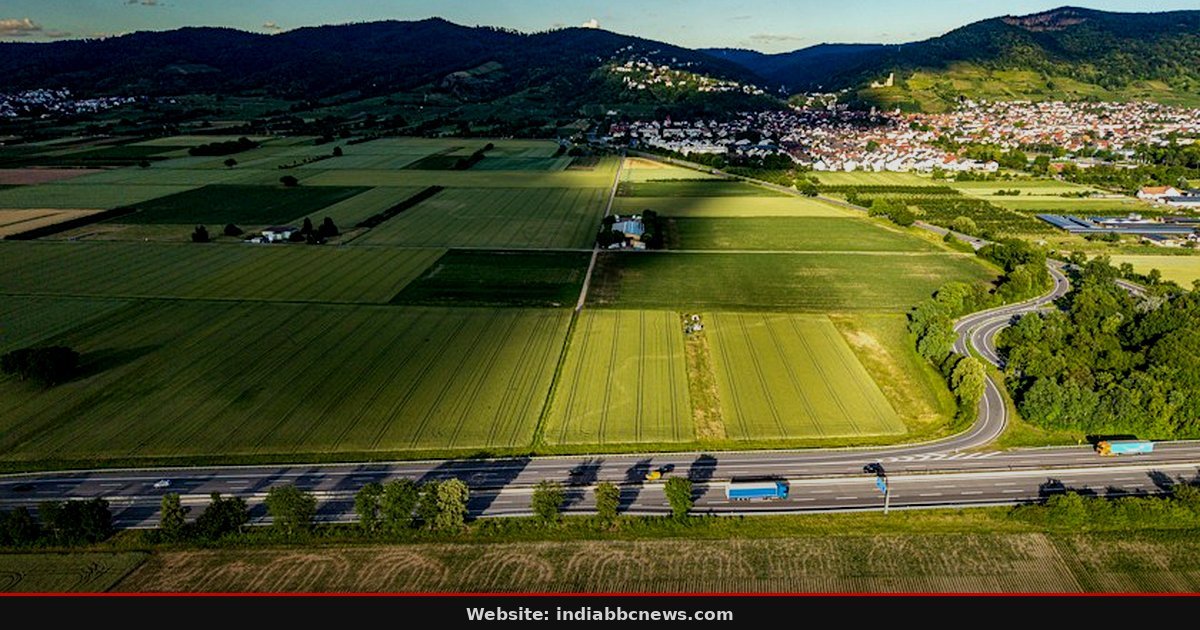
The field where the helicopters crashed is now a crime scene, cordoned off with yellow tape. Neighbors have been checked on, given counseling, and sent home with a sense of dread. The highway next to the field saw a brief standstill, cars slowing down to look, then moving on. Life goes on, as it must.
But the shadow lingers. The smell of burnt fuel has faded, but the memory of the impact remains. It’s a reminder that technology, no matter how advanced, is only as good as the human hands that control it. We fly too close to the ground and too fast to react.
That’s the price of progress. The FAA has not commented on whether similar incidents have occurred at other uncontrolled airports in the US. But the data suggests that midair collisions, while rare, are not impossible. They are the black swans of aviation, the events that seem improbable until they happen. And when they do, the aftermath is chaotic.
There’s no protocol for the moment of impact, no manual for the seconds before the crash. There’s only the instinct to fly, and sometimes, that instinct is not enough. The system failed, and three people paid the price. It’s a hard truth to swallow, but it’s the truth nonetheless.
Frequently Asked Questions
Where did the helicopters crash?
The collision occurred near McMinnville Municipal Airport in Oregon. Both aircraft crashed in a field adjacent to a highway, about a mile east of the airport. The site is currently under investigation by federal agencies.
How many people died in the crash?
Three people were killed in the midair collision. The victims were a flight instructor, a student pilot, and the sole occupant of the second helicopter. Authorities have identified all three individuals.
What type of helicopters were involved?
The accident involved a Robinson R22 and an Airbus H125 helicopter. The R22 was carrying a flight instructor and a student, while the Airbus was on a post-maintenance check flight. The two types of aircraft have very different flight profiles and sizes.
Who is investigating the accident?
The National Transportation Safety Board (NTSB) is leading the investigation, with support from the Federal Aviation Administration (FAA). They are analyzing flight data, interviewing witnesses, and examining the wreckage. The process is expected to take several months.
How does this affect news in India?
While the crash happened in the US, it serves as a critical reminder for India’s growing aviation sector. As India expands its helicopter and drone operations, ensuring robust air traffic control and pilot training remains a top priority to prevent similar tragedies. Source: BBC World
Source: BBC World

