


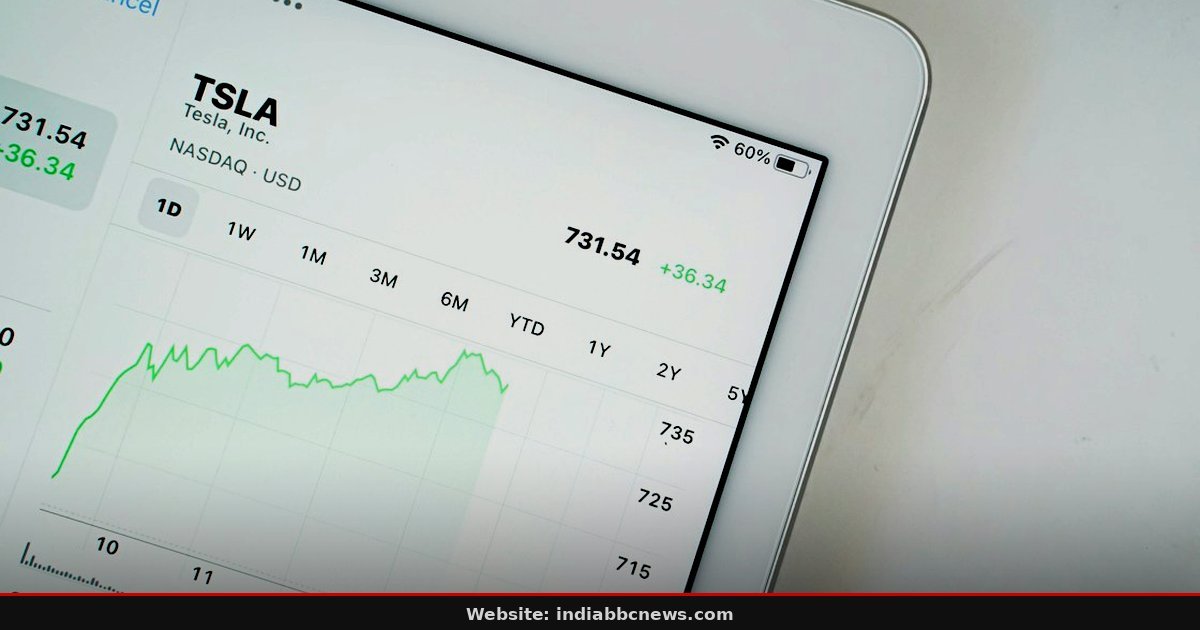
Silence. That is all you hear on the trading floor when the screens flash red. Not cheering, not frantic shouting, just a heavy, metallic quiet that settles over the room like a fog. It happened again on Monday, a sharp dip that followed a rocky Friday and left traders scrambling to make sense of the noise. The S&P 500 slid, and the Nasdaq followed, dragging tech stocks down with it.
It’s the kind of volatility that makes seasoned veterans check their screens twice, just to be sure the data isn’t glitching. But it’s real. The uncertainty this week isn’t just a headline; it’s a physical thing in the room, a tightening of the chest that every trader in New York knows by heart. And nobody wants to be the one who calls the bottom yet.
The Monday Slide: Why the Market Flinched Again
The sell-off wasn’t a surprise to those who have done this job for more than a decade. You don’t panic when the market dips 1% or 2% after a weekend of bad news. What stung was the timing, coming right after a Friday close that already felt like a warning shot across the bow. Investors didn’t have a clear narrative to hold onto this week, and that’s the most dangerous place to be when you’re managing billions of dollars in assets.
Without a story, there’s no comfort, and no comfort means no buying. The tech sector, which had been the engine of the rally, is now the one sputtering. It’s a cruel twist of irony, and the traders in the middle are feeling it most acutely.
There’s no single villain here, no one politician to blame, no one company to point at and say, “There it is.” Instead, it’s a mix of macro fears and positioning issues that have caught up with the market. People are tired of high valuations, tired of the promise that “this time is different” after rate hikes and tech bubbles of the past. The market is testing those nerves now, seeing who will blink first. And in the short term, that’s all it is, just a test.
But tests can turn into real damage if you aren’t careful. That’s a harder sell than it sounds, especially when the media is screaming headlines about an impending crash.
What the Data Actually Shows
If you look past the headlines, the numbers tell a different, more nuanced story than the fear in the air. Volume was elevated, yes, but not at levels that suggest a full-blown panic sell-off. That distinction matters because panic sells are messy, irrational, and often mark a local bottom. What we’re seeing is a correction, a normal adjustment in a market that had run hot for a while.
It’s the market breathing out after holding its breath for months. And while it feels painful when you’re watching your portfolio shrink, it’s less dangerous than a true panic. The data showed firming buying interest in the last hour of trading, a sign that some investors are stepping in. But is it enough to reverse the trend?
Maybe, maybe not. You have to remember that markets have corrected like this before, multiple times in the last few years. The 2018 scare, the 2020 crash, the 2022 tech slide, all had similar fingerprints. Fear spikes, then fades, then returns. It’s a cycle that never really ends, only evolves.
And the key to surviving it is to stop reacting to every green or red flash on your screen. That’s a trait I’ve seen in successful investors, the ability to detach from the noise. But it’s incredibly hard to do when you’re watching your life savings move in real-time. And that’s where the real tension lies, not in the market itself, but in the human mind.
And that’s a battle that never truly goes away. Tech stocks are the canary in the coal mine for the broader market, and right now, the canary is singing off-key. The valuation of major tech firms had gotten stretched, priced in for perfection, for endless growth, for no downside. When reality started to nudge at those assumptions, the price adjustment was sharp. It’s not that the businesses are breaking; many are still growing, still innovating, still dominant in their spaces.
The Tech Sector’s Fragile Foundation
But the market stopped caring about the business and started caring about the price. That’s a dangerous shift, because it turns fundamental investing into a casino game. And in a casino, there’s always a house edge. And right now, the house might be winning.
But not always. The reality is that tech companies are facing real headwinds, from rising costs to regulatory scrutiny to shifting consumer spending. It’s not just a valuation problem, it’s a business problem. And the market is just now starting to price that in. That’s a painful realization for many investors who bought in on the hype.
But it’s also an opportunity for those who are willing to think long-term. That’s a much harder sell in a world of instant gratification and 24-hour news cycles. But it’s the only way to stay sane. And it’s the only way to win in the long run.
And that’s the part most people don’t want to hear. And that’s why they keep watching the screens.
India’s Digital Economy Faces a Global Ripple
For many in India, this U.S. market drama feels like it’s happening on a different planet. But that’s a dangerous illusion, because the global markets are deeply interconnected. When U.S. tech stocks wobble, it sends shockwaves through the Indian market, especially in the IT and tech sectors. Companies like TCS, Infosys, and Wipro have a significant chunk of their revenue coming from the U.S., and a weak dollar and shaky U.S. markets can hit their earnings forecasts.
The rupee also tends to weaken when the U.S. dollar strengthens, which is often what happens in risk-off environments. That’s a double whammy for Indian importers and borrowers. And it’s a reality that no Indian investor can ignore, no matter how localized their portfolio might seem.
The Indian government and the RBI (Reserve Bank of India) are watching this closely, not just for the market impact, but for the broader economic implications. A prolonged period of global volatility could lead to slower capital flows into India, higher borrowing costs, and a more cautious business outlook. That’s not a good thing, especially for a country that needs investment to fuel its growth. The SEBI (Securities and Exchange Board of India) has already issued warnings to retail investors about the risks of chasing global tech stocks.
That’s a good thing, but it’s also a sign of how anxious the market is. And that anxiety is contagious, spreading from Wall Street to Dalal Street in real-time. And it’s not going away soon.
The Psychology of the Selloff
Markets are not just numbers, they are people. And people are creatures of habit, of fear, of hope. When the market goes down, fear takes over, and people sell. When it goes up, hope takes over, and they buy.
It’s a cycle that has played out for centuries, from the tulip mania of the 17th century to the dot-com bubble of the 2000s. And it will continue to play out, no matter how sophisticated the trading algorithms get. That’s the human element, the one thing that can’t be automated. And it’s what makes the market so unpredictable, and so fascinating.
And it’s why you can never fully predict what will happen next. And that’s the point.
You have to accept that uncertainty is part of the game. Trying to eliminate it is like trying to stop the wind. You can’t. But you can learn to sail with it.
That’s the mindset that separates the successful investors from the ones who get burned. It’s not about being right, it’s about being resilient. And that’s a much harder skill to learn than any technical analysis. But it’s the most important skill of all.
And it’s the one that will get you through the next downturn. And the next one. And the next one. And that’s the reality of being an investor in this world.
And it’s one that everyone has to face, sooner or later. And it’s one that I’ve seen time and time again.
What Happens Next: The Road Ahead
The next few weeks will be critical, and there are several catalysts to watch. The Federal Reserve’s next meeting is on the horizon, and the market is braced for a hint of a rate cut, or a hold. That will be a major driver of sentiment. But there are also earnings reports from major tech companies, which will tell us if the businesses are as healthy as the stock prices suggest.
And there’s always the wildcard, geopolitical tensions, trade disputes, or a surprise economic data release. Any of these could trigger a new round of volatility. And that’s the reality, you can’t control the news, you can only react to it. And that’s a tough thing to accept, but it’s the truth.
For individual investors, the advice is simple: don’t panic, don’t chase, and don’t try to time the market. That’s the hardest thing to do, but it’s the most effective. Stay the course, stick to your plan, and remember that the market is a transfer of money from the impatient to the patient. That’s a Buffett quote, but it’s still true.
And it’s the best advice I can give you. And it’s the advice I give to my clients. And it’s the advice I wish I’d listened to more often myself. But that’s the beauty of this job, you learn from your mistakes, and you keep going.
And that’s all you can do. And it’s enough. It wasn’t a crash, it was a sharp correction following a volatile Friday. The market is digesting high valuations and uncertainty about interest rates, leading to profit-taking in the tech sector.
Frequently Asked Questions
Why did the stock market crash on Monday?
Is this the start of a recession?
No, a market correction does not equal a recession. While scary, these dips are normal in economic cycles and do not automatically signal a full economic downturn. Indian IT companies with large U.S. revenue exposure may see short-term pressure, but long-term demand for digital services remains strong despite market fluctuations.
How does this affect Indian IT stocks?
Should I sell my tech holdings now?
That depends on your risk tolerance and time horizon. If you need the money soon, yes. If you’re investing for the long term, selling in panic often locks in losses rather than avoiding them.
Source: NYT Business
Source: NYT Business

