

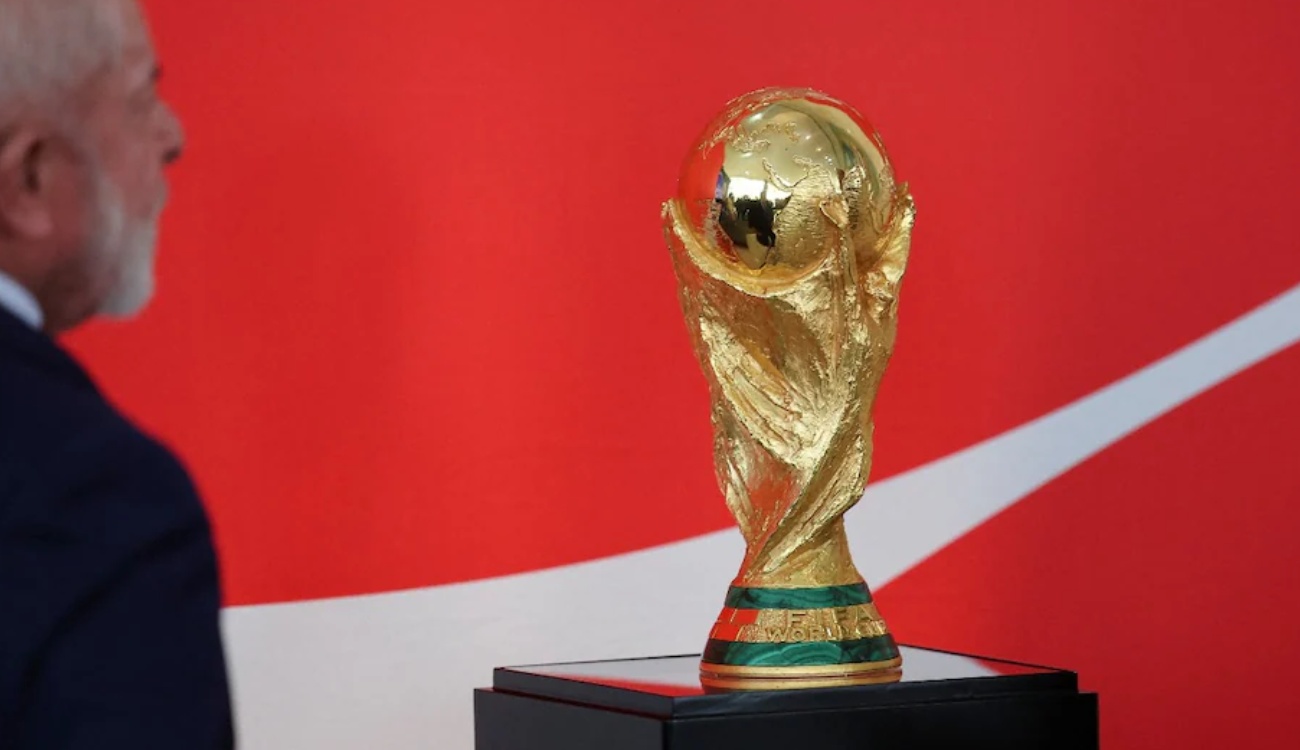
The question of whether the FIFA World Cup 2026 will be broadcast in India — specifically whether audiences can watch it on free-to-air or affordable cable rather than only on expensive streaming platforms — has become a live issue following the announcement of broadcasting rights arrangements that multiple consumer advocacy groups have called exclusionary.
FIFA’s broadcasting rights for India were acquired by a streaming platform in an arrangement that, as currently constituted, would make live matches available only behind a subscription paywall. For a country where hundreds of millions of football fans follow international matches on television, that’s a significant accessibility question.
What the Current Arrangement Means
The streaming-only model works differently from the broadcast model that has made previous World Cups accessible to most Indian households. A broadcast on a free-to-air channel or a widely distributed cable channel reaches audiences regardless of internet connectivity, device ownership, or subscription cost. A streaming-only model requires all three — and in rural India and smaller cities, at least one of those is often missing.
Can the Government Intervene?
India’s Ministry of Information and Broadcasting has a framework for designating “sporting events of national importance” that must be shared with Doordarshan for free-to-air broadcast. The World Cup would normally qualify for this designation. The question is whether the ministry chooses to invoke the provision — a decision that involves both regulatory intent and commercial negotiations with rights holders.
Consumer groups and sports journalists have been urging the ministry to act. The ministry has, so far, said the matter is being “looked into.”
The Timeline
The World Cup kicks off in June 2026. The broadcasting question needs to be resolved significantly before that — rights negotiations and transmission arrangements take months to finalise. The window for a free-to-air outcome is narrowing.

