


Spain’s Anger: Inside the General Strike That Shook Madrid Ahead of Elections
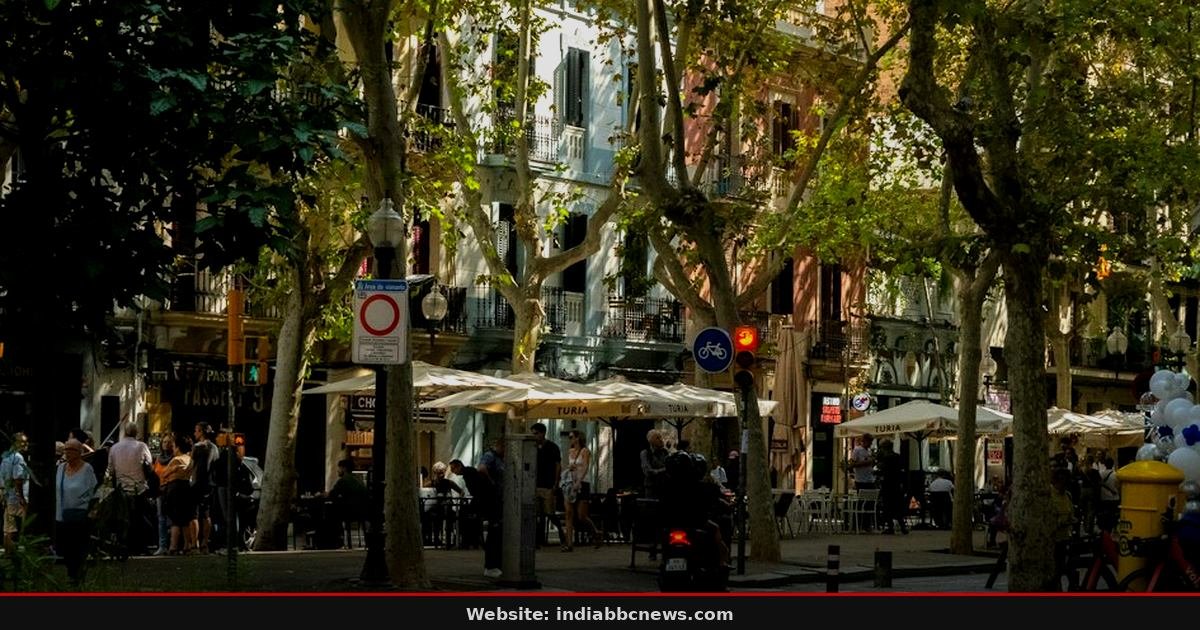
Madrid, 11 November 2026. The streets were empty. A ghost town.
For the first time in 14 years, Spain’s main unions called a general strike over housing and cost of living, turning major cities into scenes of near-total paralysis just weeks before national elections. The silence was deafening in the capital. Buses didn’t run, trains stood still, and office towers sat dark. It wasn’t just a dip in activity, it was a full stop. The interior ministry confirmed dozens of arrests, citing riots and attacks on real estate agencies in key districts.
The Empty Streets of Madrid and Barcelona
Traffic halted on main arteries, leaving thousands stranded in their cars. The disruption was visceral, raw, and impossible to ignore.Hundreds of thousands marched in Barcelona and Madrid that evening. Tens of thousands, to be precise, filling avenues that never see this kind of density. Unions claimed “massive” participation, a victory for the movement according to UGT head Pepe Álvarez.
But the business lobby told a different story. They called turnout “low and uneven,” arguing that the strike was politically motivated rather than industrial. The real number never mattered as much as the image created on social media.An Eviction That Sparked a FireIt started with Maricarmen Abascal, 87, living in a flat for 70 years. She was evicted.
The new landlords tripped her rent, and the system failed her. She died in a hospital weeks later, a victim of a housing market that treats the elderly as disposable. This wasn’t just a statistic, it was a trigger. The anger had been simmering for months, but her death lit the fuse.Rents in Madrid have become obscene.
A 50-square-meter apartment costs an average of €1,170 monthly, nearly half the average gross salary of €2,460. Housing experts say 30% of income is the affordability limit, but Spain is at 47%. People aren’t just paying for walls, they are paying for survival. Gonzalo Álvarez, 27, who helps tenants with legal rights, said he knows Maricarmen and feels her death personally.
“It’s absolutely crazy,” he said, describing the burden of electricity and gas bills on top of rent.Sanchez Risking It AllPrime Minister Pedro Sanchez called snap elections after his housing reform bill failed in parliament. Now, he is leaning into the strike. He hasn’t condemned it, he’s praising it. On social media, he lauded workers for defending their “collective conquests” like pensions and healthcare.
It’s a bold, risky move. He expects the right to attack him, but he wants to frame the issue as one of protection, not politics.The People’s Party, led by Alberto Núñez Feijóo, has slammed the government for “weaponizing” the protest. Feijóo called the unions “mafia” and “trash,” accusing Sanchez of exploiting the chaos for electoral gain. The polls show the right leading, and Feijóo’s spokesman Miguel Tellado sees this as a warning to voters.
Sanchez retorted that questioning workers’ rights to strike is the real nonsense. The stage is set for a savage debate in the coming days.What This Means for IndiaFor Indian expats, this looks like distant chaos, but the lessons are sharp. Many Indians work in Europe’s tech and finance hubs, often on fixed-term contracts that don’t offer the same social safety nets as locals. When strikes hit, public transport fails, and flights are canceled.
If you are in Spain, Portugal, or rural Italy, your commute is at risk. You need a plan B.But the bigger impact is on Indian investors and businesses. Spain is a major hub for renewable energy and tech investment from India. Disruption slows down project timelines and supply chains.
Indian firms operating in Barcelona or Madrid need to monitor labor strikes closely. This isn’t just about sympathy, it’s about operational risk. The housing crisis shows how unstable social contracts can become when wealth gaps widen. India is watching.The Electricity Data Tells the TruthUnions love to talk about numbers, but the grid doesn’t lie.
Red Eléctrica, Spain’s power operator, showed a 7.5% drop in industrial power usage on Wednesday morning. In 2012, during the last general strike, the drop was over 15%. This was a partial strike, not a full shutdown. That’s a significant difference.
It suggests widespread sympathy, but not total industrial paralysis.Still, the 7.5% figure is huge. It’s money lost, production halted, and supply chains broken. CEOs are furious, complaining that businesses have little control over housing prices. Vice-president Miguel Garrido of CEOE argued the strike was political, not labor-related.
He’s right that the trigger was social, not wage-based. But labor is labor, and the right to stop work is fundamental. The data shows the unions have muscle, even if they didn’t break the country.Frequently Asked QuestionsWhy did Spain have a general strike?It was called by unions UGT and CC OO to protest high housing costs and the cost of living. The trigger was the eviction and death of Maricarmen Abascal, which galvanized public anger.When is the next Spanish general election?Voters will go to the polls on 29 November 2026.
The strike is seen as a major indicator of public sentiment ahead of this vote.How does this affect Indian students studying in Spain?Students should expect transport disruptions and potential trip cancellations. It is advisable to keep emergency supplies and avoid large gatherings near protest zones.Who called the strike and who opposed it?The main unions called it, while the business lobby CEOE opposed it. Prime Minister Sanchez supported the right to strike, while the opposition PP criticized it.Source: BBC World
Source: BBC World

