


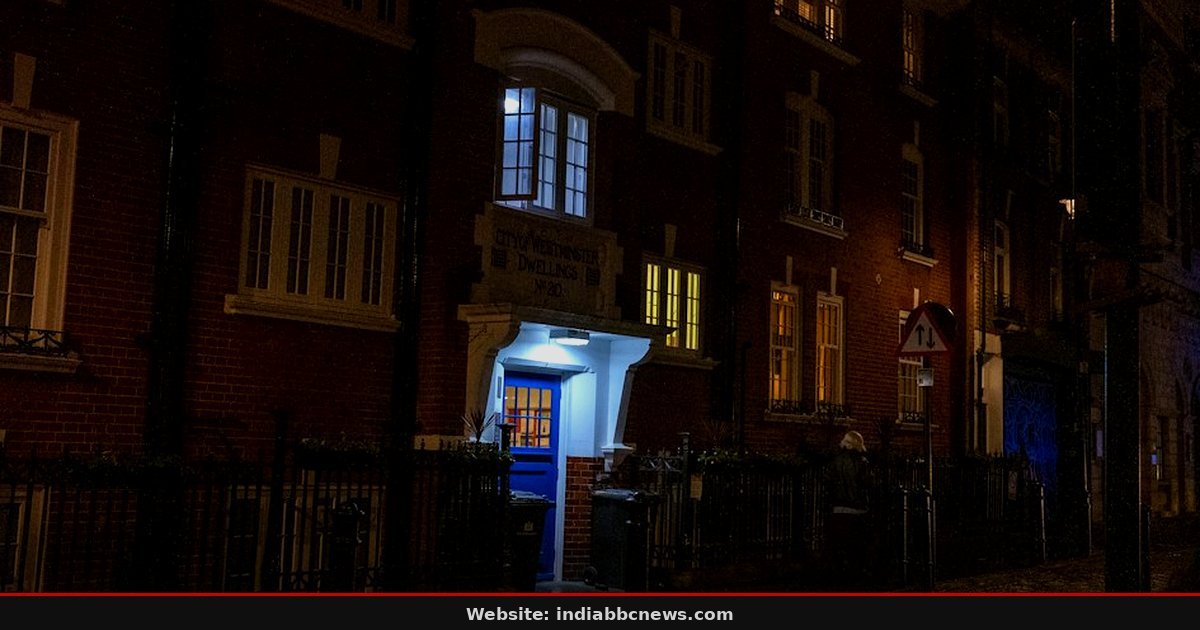
4,793. That is the number. It represents the people sleeping on the streets of England on a single night in late 2025, a record high that hits like a physical blow. Andy Burnham wants that number to be zero by Christmas.
He doesn’t want to pretend the problem is solved. He wants councils to build a plan. The Prime Minister will write to every council in England on Armistice Day.
The Letter on November 11
The plan is direct. No committees. No endless consultations. Burnham is asking local authorities to use part of the £874 million already announced to specifically house veterans.
It’s a targeted strike against a specific demographic. The logic is simple: if you served, you get a bed. “People who stepped forward prepared to put their lives on the line for the rest of us should never lack a roof over their head,” he said in a statement. That’s a harder sell than it sounds in practice, though. Red tape moves slowly while people freeze quickly.
Downing Street confirmed the PM’s intent to urge councils to draw up these plans immediately. The goal is to link national ambition with local execution. Burnham argues that local authorities must work with charities to identify those in need. He wants a “proper plan and someone in their corner from day one.” This isn’t just about a mattress.
It’s about stability. It’s about ensuring that the chaos of the street doesn’t derail a life that was already difficult. The window is small. Winter is coming.
Money for the Hardest Cases
There’s a specific pot of cash for this. An additional £8.7 million is being allocated to eight organizations across the UK. These aren’t just shelters. They are providers like Veteran Housing Scotland, Launchpad, and the Armed Forces Charity (SSAFA).
They help veterans with complex needs. Addiction, mental health, trauma. These factors often push veterans into rough sleeping first. The funding aims to tackle the root causes, not just the symptoms.
It’s a recognition that a roof alone won’t fix a broken mind. But it’s a start. It has to be.
The broader context is significant. The government has committed £4.4 billion in total to end rough sleeping. Yet, the numbers keep climbing. Since 2021, the count has risen steadily.
Last year, the figures were the highest on record. Many experts point out that one-off cash injections rarely solve systemic failures. Lib Dem defence spokesman James MacCleary MP called the funding an “important first step” but argued it won’t fix a crisis years in the making. He wants long-term guarantees.
He wants prevention. Without that, the money is just a band-aid on a gunshot wound.
Old Wounds: The Manchester Controversy
Burnham has been mayor of Greater Manchester before. He faced heavy criticism from Conservatives for failing to end rough sleeping in his own city. His defense then was that Manchester’s scheme attracted sleepers from surrounding regions. He argued that regional coordination was key. “It’s only if everywhere does it at the same level that you can actually end rough sleeping,” he said.
That logic holds water in theory. But in practice, it often means no one does it at all. The finger-pointing becomes a habit. The politicians blame the geography.
The people on the street blame the silence. He is now in a different role. But the pressure is the same. If this pledge fails, the memory of Manchester will be fresh in voters’ minds. Critics are already circling.
They want to know if this is just another campaign promise. Or if it’s a structural shift. The difference matters. A promise is cheap.
A plan is expensive and painful. Burnham knows this. He’s been in local government long enough to know that budgets are tight. And that “good intentions” don’t pay for brick and mortar.
That’s the reality on the ground. It’s brutal and unglamorous.
India’s Hidden Link: The Expat Veteran Gap
This story matters far beyond the UK streets. Think about the Indian diaspora in Britain. We have a large community of British-Indian families. Some include veterans or those connected to the military.
For them, this pledge is not abstract. It’s a safety net. If a family member returns from service with PTSD and falls on hard times, this framework offers a path. It’s rare that UK domestic policy gets this specific to vulnerable sub-groups.
But it’s there. And it’s growing. The connection between national security and social welfare is tighter than most admit. We often forget that the “warrior” isn’t a monolith.
He or she is a person with a family. Often, that family is Indian.
Furthermore, this highlights a systemic issue in how India views its overseas citizens. We talk a lot about remittances. We talk about investment. But we rarely discuss the social support structures available to our citizens abroad when things go wrong.
The UK is building these structures. It’s protecting its own. India needs to look at this model. What happens when our own veterans or service-connected families struggle abroad?
There’s no equivalent “bed every night” guarantee for them in London or Manchester. This is a blind spot. A dangerous one. It requires a policy rethink.
Not just for PR. For humanity. We can’t celebrate their service at home and ignore their pain abroad. That’s a contradiction that doesn’t sit well.
But it’s true. And it needs fixing. Fast.
The Noise in the Room
It wasn’t a quiet announcement. The Conservative Party chair, Kevin Hollinrake, jumped on the bandwagon. He criticized Culture Secretary Lisa Nandy for linking the EU’s Erasmus scheme to Remembrance Sunday. He called it “tone deaf and frankly shameful.” He said veterans didn’t fight for a student exchange scheme.
The timing was awkward. The message was muddled. But the core issue of veteran homelessness was overshadowed by tribal politics. And that’s the tragedy.
The real work is hard. The shouting is easy. You can always find a button to press in a fight. But you can’t always build a house.
That takes time. And patience. And money that isn’t being spent on ads.
Nandy defended the link. She argued that honoring the past means building the future. She said, “As we remember the immense courage of those who served our country, we honour them by building the best opportunities for the next generation.” That’s a noble sentiment. But it felt like a stretch.
To the public, it looked like a minister trying to sell an EU re-entry by waving a poppy. It didn’t land. The opposition smelled blood. They attacked the connection.
And the focus shifted. From the cold street to the heated parliament. That’s how it often goes. The story of the person is lost in the story of the politician.
It’s frustrating. But it’s not new. It never is. The human element gets buried under the political one.
Every single time. Andy Burnham is the Prime Minister of the United Kingdom. He was previously the Mayor of Greater Manchester. He is leading a nationwide initiative to tackle homelessness, specifically focusing on veterans. His office is driving the current housing strategy.
Frequently Asked Questions
Who is Andy Burnham in the UK government?
How much money is being set aside for veteran housing?
There is an additional £8.7 million allocated to eight specialized organizations. This is on top of the wider £874 million fund for homelessness. The money is meant for complex cases, including those with health or addiction issues.
When will the Prime Minister send the letter to councils?
The letter will go out on Armistice Day, which is November 11. This date commemorates the end of World War I. It is a symbolic choice to link service and support directly.
What is the current number of people sleeping rough in England?
The latest official figures show 4,793 people sleeping rough on a single night in autumn 2025. This is a record high. The number has been rising since 2021, indicating a worsening crisis.
Does the EU Erasmus scheme rejoining affect veterans?
No, directly. The two issues are separate. However, the announcement of the Erasmus rejoining happened on Remembrance Sunday, which caused political controversy. Critics said it was an inappropriate setting for that specific topic.
Source: BBC UK
Source: BBC UK

