


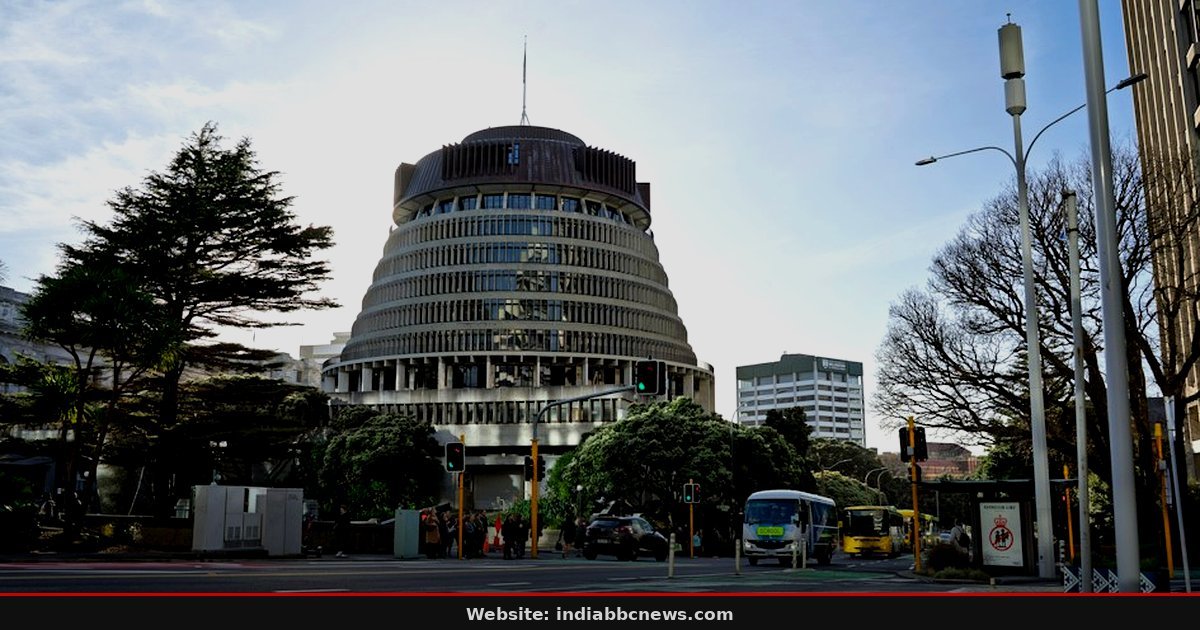
Christchurch. The numbers are in. Or rather, they’re not. New Zealand’s preliminary election results have left the country in a state of suspended animation, with no single party emerging as the clear front-runner to form the next government. It is a stalemate.
Just like that, the grand narratives of swing states and decisive mandates have dissolved into a fog of percentages and polling stations that stayed open until 8 p.m. sharp. The election was supposed to be a referendum on cost of living. Instead, it’s become a test of who can absorb the pain of high interest rates, soaring fuel prices, and a housing market that feels unaffordable to anyone under 40. The media is scrambling to project winners, but on the ground, the mood is one of cautious exhaustion.
People didn’t vote for a party. They voted against a feeling. And nobody in Wellington looks convinced that their coalition partners will agree on what comes next. The real fight is only starting now.
Why the Economy Won This Election
Walk into any pub in Auckland or a cafe in Dunedin and the conversation isn’t about foreign policy. It’s about the price of a litre of milk. It’s about whether you can afford to drive to work. The dominant narrative of this campaign was one of fiscal desperation, a collective groan from a middle class that feels it is being squeezed from all sides.
Parties tried to pivot to climate or crime, but those topics died quickly when voters looked at their pay slips. The economic pain is tangible. It shows up on the dinner table. It’s harder to ignore than a politician’s promise on health care.
That’s a harder sell than it sounds. When your rent goes up 10% and your wage goes up 2%, you don’t care about ideological purity. You care about survival. The candidates knew this.
They dressed down. They talked like neighbors. It worked, mostly. But loyalty is a flimsy shield against a bad bill.
Historically, New Zealand voters have punished incumbent governments when inflation spikes above 5%. This time, the inflation is slightly lower but the interest rates are sky-high. The Reserve Bank has been hiking rates aggressively to cool the economy, which has stalled growth and made borrowing for homes and businesses expensive. This creates a strange dynamic.
The voters are angry at the government for not managing the economy better, but they are also terrified of a new government that might loosen its belt and let inflation run wild. It’s a double bind. Experts say this is the most difficult economic environment to govern in two decades. The last time we saw something like this was in the late 1990s, before the current political order solidified.
Back then, the pain was more acute but shorter-lived. Now, it’s a slow bleed. And nobody wants to be the one holding the needle. The uncertainty is the real enemy here.
Not the parties. The waiting.
The Role of Women in the New House
There is a demographic shift happening in this election that cannot be ignored. Women had a significant impact on the vote, with turnout among female voters higher than in previous cycles. This wasn’t just about gender politics. It was about practicality.
Women, often the primary managers of household budgets, felt the pinch of the cost of living crisis most acutely. They organized. They talked to each other. They shared strategies on social media.
The result is a parliament that is more female than ever before. But representation isn’t policy. Having more women in the room doesn’t automatically mean budgets will reflect childcare or healthcare priorities. It just means the conversation might start with those topics first.
That’s a good thing. It’s a necessary thing. But it’s not a magic bullet. The real test will be in the budget office, not the press release.
Think about it. When did we last have a government where the majority of ministers are women? It hasn’t happened in this configuration. The first female Prime Minister, Jenny Shipley, served in the 1990s.
Jacinda Ardern changed the face of leadership but left office under pressure. Now, the next PM could be a woman, or it could be a man. It’s 50-50. The focus on women’s roles in this election was strategic.
Parties courted them. They promised tax relief for families. They talked about safety. It resonated.
But will it last? Political momentum often decays within a year. The question is whether these new voices will push for structural changes or just performative gestures. We’ll see.
For now, the energy is there. It’s palpable. You can feel it in the way people talk to their MPs. They are demanding accountability.
They are not interested in empty promises. They want receipts. And they want them fast. The old guard is watching nervously.
They know the rules of the game have changed. And they’re not sure how to play.
What This Stalemate Means for India
For Indian readers, the immediate impact is subtle but significant for trade and labor. New Zealand is a key destination for Indian students and workers. A political deadlock can slow down visa processing and introduce new bureaucratic hurdles while parties jockey for power. If the next government leans toward a tougher stance on immigration, it could affect the thousands of Indians studying or working there.
The Indian diaspora in New Zealand is growing, but it’s not yet a major political force. However, as the community gets larger, its voice will matter more. Businesses with ties to India should watch the currency. The New Zealand Dollar (NZD) has been volatile.
If the deadlocked government fails to pass a budget, the currency could weaken further. This makes exports from India to New Zealand more expensive for NZ buyers. It’s a small market, but it’s a test case. How will India’s trade partners elsewhere take this instability?
The ripple effect is small but the signal is clear. Global economic uncertainty is holding the middle class hostage. And it’s not just in New Zealand. It’s everywhere.
India’s own economic policies are being shaped by this global context. We need to be ready for this kind of volatility. It’s coming.
The Housing Crisis That Haunts the Vote
Housing is the elephant in the room. You can’t talk about New Zealand politics without talking about houses. Prices have risen so much that they are no longer realistic for first-time buyers unless their parents help. This has created a generational divide.
Young voters are angry. They feel left behind. The older vote, who already own homes, care more about preserving asset values. This tension ran through the campaign.
Parties made promises about supply. They promised to build more. But building takes time. And time is what voters don’t have.
The waiting list for affordable housing is long. It’s getting longer. This issue is so painful that it overrides everything else. People don’t care about your stance on foreign aid if you can’t help them get a mortgage.
It’s that raw. It’s that personal. And it’s not going away. The next government will inherit this bomb.
And it will need to detonate it carefully, or it will explode in their hands. The pressure is immense. The stakes are high. And the margin for error is zero.
Nobody wants to be the one who failed to fix the housing market. It’s a political death sentence. And everyone knows it.
Who Could Be the Next Leader?
With no clear winner, the search for a Prime Minister is on. The leaders of the major parties are all in the running. But leadership is fragile. It’s built on consensus.
If a party leader can’t command enough support in parliament, they will be ousted. This is common in New Zealand. Leaders have changed mid-term. It’s a part of the system.
The current leaders are walking a tightrope. They need to form a coalition. They need to agree on a budget. They need to agree on foreign policy.
It’s a lot to ask in a short amount of time. The pressure is on. The media is grilling them. The public is watching.
One misstep and they’re out. It’s a high-stakes game. And the players are nervous. You can see it in their faces.
They’re tired. They’re stressed. They’re trying to look confident. But they’re not sure.
And that uncertainty is infecting the whole country. It’s not just a political crisis. It’s a mood. A vibe.
And it’s hard to shake. The split in the vote was too evenly matched for any single party to secure a majority in the 120-seat House of Representatives. This forces the leading parties to negotiate a coalition agreement to form a government.
Frequently Asked Questions
Why did New Zealand’s election have no clear winner?
How does this affect the New Zealand Dollar?
Uncertainty in political leadership often causes currency volatility. Traders may sell off the NZD until a stable government is confirmed, making travel and imports from the country more expensive for foreign buyers like India. It is currently impossible to say. The parties with the most seats will hold the power, but the final winner depends on which party can secure a governing coalition and a vote of confidence in the House.
Who is the favorite to become Prime Minister?
What were the main economic issues in the election?
Inflation, high interest rates, and unaffordable housing costs dominated the campaign. Voters expressed deep concern over the rising cost of living and the lack of progress on making homes accessible to younger generations. Yes. Budget negotiations typically begin immediately after an election. A prolonged period of coalition talks could delay the finalization of the fiscal year’s spending plans, creating further uncertainty for businesses and investors.
Will this delay budget negotiations?
Source: NYT World
Source: NYT World

