


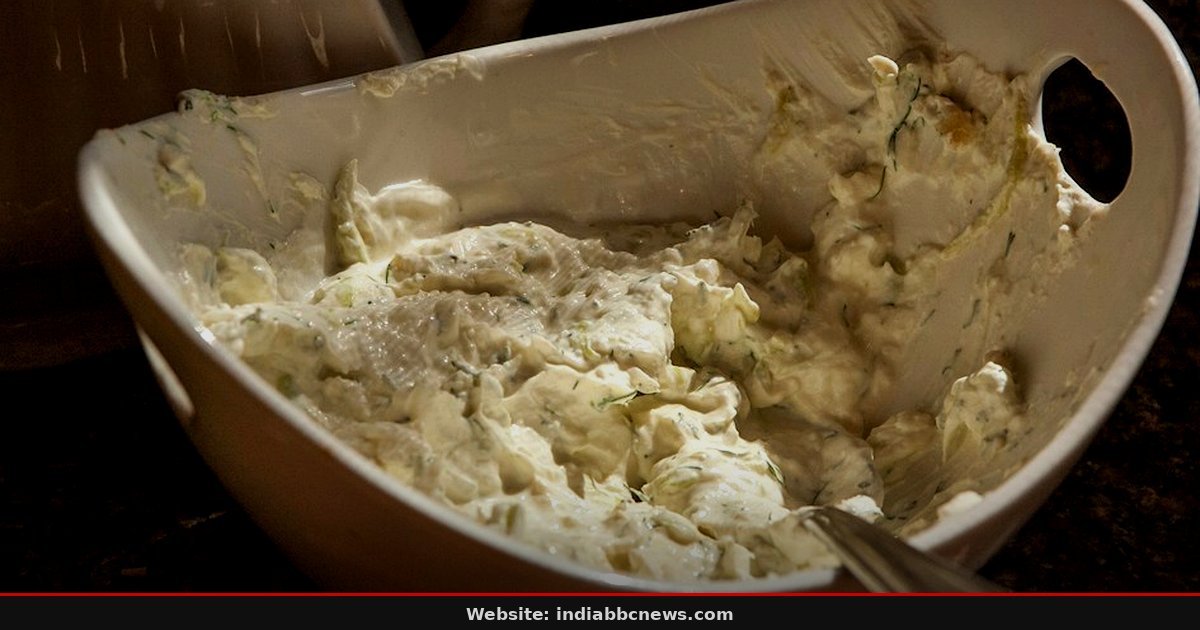
38%. That is the jump in US cottage cheese sales since 2021.
It’s not a niche trend in a fitness forum. It’s a shelf-space war that’s quietly dismantling the giant that ruled American refrigerators for decades: cream cheese. The shift is raw, visible, and utterly uncompromising in its logic. Consumers are trading the dense, high-fat, high-sugar blocks for the lumpy, high-protein white curds.
The Protein Math That Broke the Diet Industry
Nobody expected this. The diet industry spent two decades telling Americans to fear fat. Then TikTok happened. A wave of “protein maxing” content exploded, pushing users to calculate their macros with the obsessive precision of traders.
Cottage cheese, long dismissed as a food for forgetful grandmothers, suddenly fit the bill perfectly. It’s cheap, shelf-stable, and packed with roughly 12g of protein per half-cup. Cream cheese, by contrast, sits at around 1g. The math isn’t close.
In fact, it’s embarrassing for the incumbent brand. Analysts point to a generational shift in how young buyers evaluate value. They aren’t buying snacks; they’re buying inputs for a biological project. The cost of quality protein has become the primary metric, not taste or texture. This represents a fundamental break from the past 20 years, where flavor and indulgence drove dairy categories.
The market didn’t just change; it inverted. Investors who held positions in legacy dairy giants are watching their revenue streams erode not through competition, but through irrelevance.
Why Cream Cheese Can’t Keep Up (Yet)
Cream cheese makers are scrambling. Several major brands have rolled out “high-protein” or “low-fat” variants to claw back share. But it’s a harder sell than it sounds. The consumer perception of cream cheese is cemented.
It’s the bagel topping. It’s the cheesecake base. It’s indulgence. Telling a buyer who is hunting for muscle mass that the bagel filler is now a gym accessory is a branding nightmare.
The product identity is too strong to override with a label change. The curds, meanwhile, have no baggage. They are just protein.
There’s a physical reality to this too. Cottage cheese is structurally simpler to produce at lower cost. It requires less processing time and fewer additives to reach the shelf. Cream cheese needs strict emulsion control and specific fat ratios.
As dairy prices remain elevated, the margin squeeze hits the complex product first. Suppliers are telling retailers they can move the cottage out faster. That’s a signal no CFO can ignore. When the sell-through rate doubles in 12 months, you don’t argue with the data.
The US Dairy Supply Chain Is Dislocating
Farmers in the Midwest are adjusting their herd management. There’s a subtle shift in the type of milk being sourced for curd production versus cream production. It’s not visible to the shopper, but it’s visible to the processors. Factories that once prioritized high-fat cream for cheese blocks are now rerouting raw milk to cottage lines.
This is a logistical puzzle that takes months to solve, not days. The ripple effect is reaching upstream, changing what gets quoted and what gets bought at the spot market. The entire value chain is tilting toward the lighter, whiter product.
And this isn’t just about milk. It’s about packaging. The single-serve tubs that used to sit in the back of the fridge are now front-and-center. Real estate in the grocery aisle has been physically re-arranged.
Eye-level space is the new currency. If a brand can’t secure the top shelf, the algorithm of the supermarket—human or digital—buries it. The physical store layout is mirroring the digital feed. What’s trending gets placed.
What’s fading gets pushed to the bottom rack, right next to the expired yogurt. For Indian readers, this feels distant until you look at the data on whey imports. The US isn’t just eating more cottage cheese; it’s producing a byproduct surge. Cottage cheese production generates high-quality whey protein, the very stuff that powers the booming Indian fitness supplement market. India is one of the fastest-growing markets for whey isolate and concentrate, and the domestic supply gap is massive.
What This Means for India
We rely heavily on imports, primarily from the US and New Zealand. If US dairy farms are shifting their output toward cottage cheese to meet domestic demand, the volume of whey available for export could tighten. That’s a direct pass-through cost for the Indian fitness industry, which is currently valued at over $2 billion and growing at 20% annually. The average Indian gym-goer buying a cheap tub of protein powder may soon face a price hike born in a Texas dairy plant.
It’s a connection most retailers won’t tell you about, but the supply chain doesn’t care about your market. History repeats itself in weird ways. Remember Greek yogurt? It followed the same path. It was a niche, imported, slightly confusing item.
The Long Tail of Health Trends
Then it became the default. Now, it’s losing ground to skyr and cottage. The trend cycle in food is accelerating. What took 5 years to become mainstream now takes 18 months.
Brands that react slowly don’t just lose market share; they become obsolete. The shelf life of a “hot” food item is shrinking. This is creating a sense of urgency in marketing departments that hasn’t been seen since the kale boom of 2014. Executives are firing creative teams and replacing them with “nutritional strategists.” It’s a weird job title, but it’s a real one now.
The implications go beyond dairy. This is a referendum on how consumers view food as fuel. The emotional connection to eating is being stripped away in favor of chemical efficiency. It’s a cold calculation.
You eat the curd because it has the right number. You drink the shake because the label says so. The nuance of culture, tradition, and pleasure is being flattened. Is this sustainable?
I don’t know. But it’s profitable. And right now, profit is the only language that matters in the boardroom. The next product to fall might not be cream cheese.
It might be the entire concept of the “comfort food” category. We’re watching the end of an era in real-time, and nobody is calling the shots. The market is calling them.
Frequently Asked Questions
Why is cottage cheese more popular than cream cheese now?
It’s the protein content. Cottage cheese has roughly 10x more protein per serving than cream cheese, fitting the current “protein maxing” trend driven by social media. Consumers are prioritizing macronutrients over taste and fat content.
How does this affect the price of whey protein in India?
It could drive prices up. Increased US cottage cheese production leads to more whey byproduct, but if domestic US consumption of the dairy product rises, export availability may tighten. India imports a significant portion of its whey, so supply constraints translate to higher retail costs for fitness supplements.
Is cream cheese sales actually declining?
Yes, sales have dropped significantly since 2022 as market share shifts. While the cream cheese category isn’t dying, it is shrinking in relative terms as consumers find cheaper, higher-protein alternatives for their daily diets. Mostly younger consumers, particularly men in their 20s and 30s, who are active on platforms like TikTok and Instagram. They use cottage cheese as a meal replacement or a topping for savory dishes, prioritizing cost-per-gram of protein.
Who is buying all this cottage cheese?
Will this trend last?
Trends in food are volatile, but the underlying shift toward health-conscious labeling is permanent. Even if cottage cheese cools off, the preference for high-protein, low-fat dairy remains. The market has moved past the “indulgence” era.
Source: MarketWatch
Source: MarketWatch

