


Wellington, New Zealand
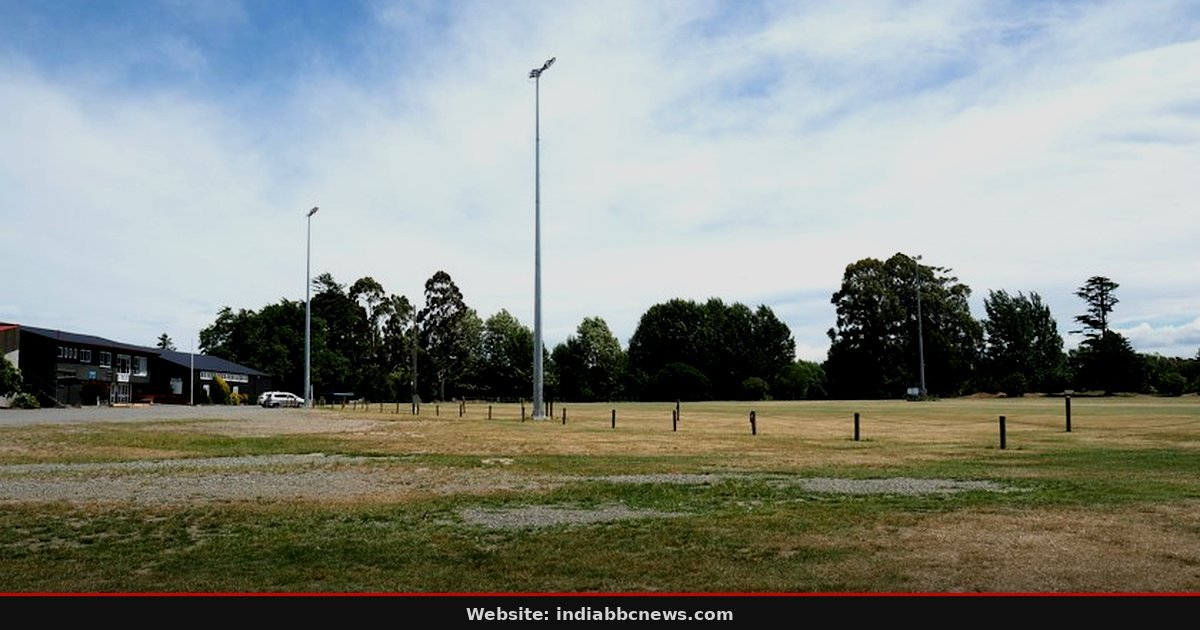
The sky over the Basin Reserve is a bruised purple, and the wind is picking up in those sudden, violent gusts that are less a breeze and more of a physical assault on anyone standing in the outfield. It’s 10:15 am on a Tuesday, but the match officials are already huddled in a tight circle near the boundary rope, headphones on, faces grim. The second ODI between New Zealand and England is on the wire, and the rain isn’t just a possibility; it’s a probability that’s climbing fast. If this drizzle intensifies into the steady, horizontal sheet of water that defines Wellington’s autumn, the ODI format might just have to step aside. Cricket, that delicate balance of art and infrastructure, is losing its grip here.
The Weather is the Real Opponent
Wellington is notorious for this. It’s not just rain; it’s the wind that comes with it. The Basin Reserve sits right in the path of the wind funneled through the Port Hills, creating a microclimate that makes conditions volatile and unpredictable. Groundskeeper Mike Houghton told reporters that the outfield is drying out slowly, but the pitch cover has been up for 20 minutes, and the moisture content is still high.
It’s a tightrope walk. Play it now, and the ball might swing abnormally. Wait for it to dry, and you lose another two hours of light. That’s a harder sell than it sounds.
The decision tree is complex and frustrating for everyone involved. You have the players, eager to bat and bowl, but you have the conditions that don’t care about their schedules. The umpires are checking the anemometer every five minutes. A sustained wind speed over 40 km/h that penetrates the outfield is a match-stopper.
Nobody in the room looked convinced that the sun would return before tea. The pressure is on, and it’s not coming from the opposition. It’s coming from the sky. And that is a force neither team can negotiate with.
Why Wellington is a Nightmare for T20 and ODI Play
New Zealand’s capital is a test case for weather-dependent cricket. Unlike the low-wind ovals in Sydney or Mumbai, Wellington’s geography works against the sport. The wind doesn’t just blow across; it dives. This changes the trajectory of the ball in ways that stats sheets can’t easily capture.
Batters have to track the ball with their eyes more than their instincts. For fast bowlers, it’s a lottery. If you can master the wind, you can make the ball move like a hawk. If you can’t, you’re just throwing a ball at a target that shifts every time it leaves your hand.
Historically, matches here have been abandoned or frustrated by weather interruptions. It’s not a bad record, but it’s not good either. The last time two top-tier teams met here under lights, rain stole 40 overs. That changes the math.
It changes the strategy. It changes the story from a contest of skill to a contest of endurance. Fans buy tickets expecting cricket. Getting a waterlogged field and a delayed start is a different product entirely.
And is the wait worth it? Most don’t think so. They just want the game to start.
What This Means for India
Indian readers are watching this with a specific, anxious interest. India’s cricket calendar is already packed, but global tournaments and bilateral series here signal where the next wave of competition is headed. If the ICC keeps scheduling matches in high-wind zones like Wellington, it affects Indian touring squads. Indian batters, trained in the stable conditions of Jamshedpur or Nagpur, often struggle with the erratic movement of the ball in strong crosswinds.
This isn’t just about one match. It’s about exposure. If India goes to New Zealand for future series, they need data on how their top order performs in these specific conditions. The failure of a match here provides zero data.
That’s a loss for the BCCI planning desk. There is also a market angle. Indian betting apps and prediction markets are active during international cricket. When a match is threatened by rain, the volatility spikes. Odds shift rapidly.
For Indian investors in sports analytics, this weather dependency is a risk factor that needs modeling. It’s not just about who wins; it’s about the conditions under which they play. A washed-out match means no data, no revenue from live-streaming ads, and a dip in engagement. The economic ripple effects of a rainy day in Wellington are felt all the way down to the stock price of media rights holders in the subcontinent.
That’s a connection most fans never think about, but it’s real. Money doesn’t wait for the clouds to clear. The commercial deal for this series is worth $1.2 million in broadcast revenue alone. Add in ticket sales, local sponsorship activations, and hospitality packages, and the number climbs to nearly $3 million. When rain stops play, that money evaporates.
The Economic Cost of a Washout
Sponsors get their logos on screen, but if the game is abandoned after 20 overs, the return on investment plummets. It’s a difficult situation. Broadcasters pay for prime time slots. If the screen shows a wet pitch and a delayed start, viewers switch off.
And once they switch off, they’re gone. Retention is the metric that matters. Weather is the enemy of retention.
Sponsors are increasingly demanding weather clauses in their contracts. It’s becoming standard practice. If the match is abandoned, the sponsor gets a reduced fee or a guarantee in the next match. This shifts the financial risk from the board to the brand.
It’s a clever move, but it changes the dynamics. Now, the board has more incentive to protect the match from weather interruptions. They might delay the start, or they might ban the game if the forecast is too bad. It’s a calculated risk.
But when the sky turns black, all the contracts in the world can’t make it stop raining. The wind doesn’t sign contracts.
What Happens Next: The Decision Window
The next 90 minutes are critical. The match officials are scheduled to give a final call at 12:30 pm. This is the make-or-break moment. If the wind speeds average below 35 km/h and the outfield is deemed playable, the game starts.
If not, it’s postponed. A postponement of more than 3 hours usually means the match is abandoned, or it moves to a shorter format. The players have been told to keep warm. The crowds have been told to stay.
Both are holding their breath. Nobody wants to leave. The anticipation is thick, heavier than the humidity in the air. But the clock is ticking.
And the sky is getting darker. If the match starts, expect a nervous opening spell. Batters will be cautious. Bowlers will be aggressive. The first 10 overs will be a test of nerve.
But if it’s postponed, the frustration will build. Fans will complain on social media. Journalists will write op-eds about poor schedule planning. The officials will face criticism.
It’s a cycle. It happens every season. And it will happen again. The only constant is the change in the weather.
And in Wellington, that change is sudden, brutal, and utterly indifferent to human plans. That’s the game, or the lack of it. Wellington is located in a wind funnel between the Port Hills and the sea, creating strong, gusty winds that often accompany rain. This combination makes the outfield slippery and the ball movement unpredictable, leading to frequent delays and abandonments.
Frequently Asked Questions
Why is Wellington cricket so affected by rain?
What is the current status of the ODI between New Zealand and England?
The match is currently delayed due to heavy rain and strong winds. The match officials are monitoring the conditions closely and will make a final decision on playability by 12:30 pm local time. Weather frequently disrupts cricket schedules in New Zealand, particularly in autumn and spring. Matches are often delayed or shortened, and in some cases, abandoned entirely if conditions do not improve within a set time frame.
How does weather affect cricket schedules in New Zealand?
What happens if the match is abandoned?
If the match is abandoned, the result may be declared as a tie or no-result, depending on how many overs have been completed. Financial compensation and broadcast adjustments are also made according to the tournament rules. Source: ESPNcricinfo
Source: ESPNcricinfo

