


Yadgir’s Silent Thirst: Why the Deputy Commissioner’s Promise Rings Hollow in Karnataka’s Driest District
The Deputy Commissioner of Yadgir, Dr. B. C. Joshi, told reporters on Tuesday morning that every conceivable administrative step had been taken to tackle the district’s escalating drinking water crisis.
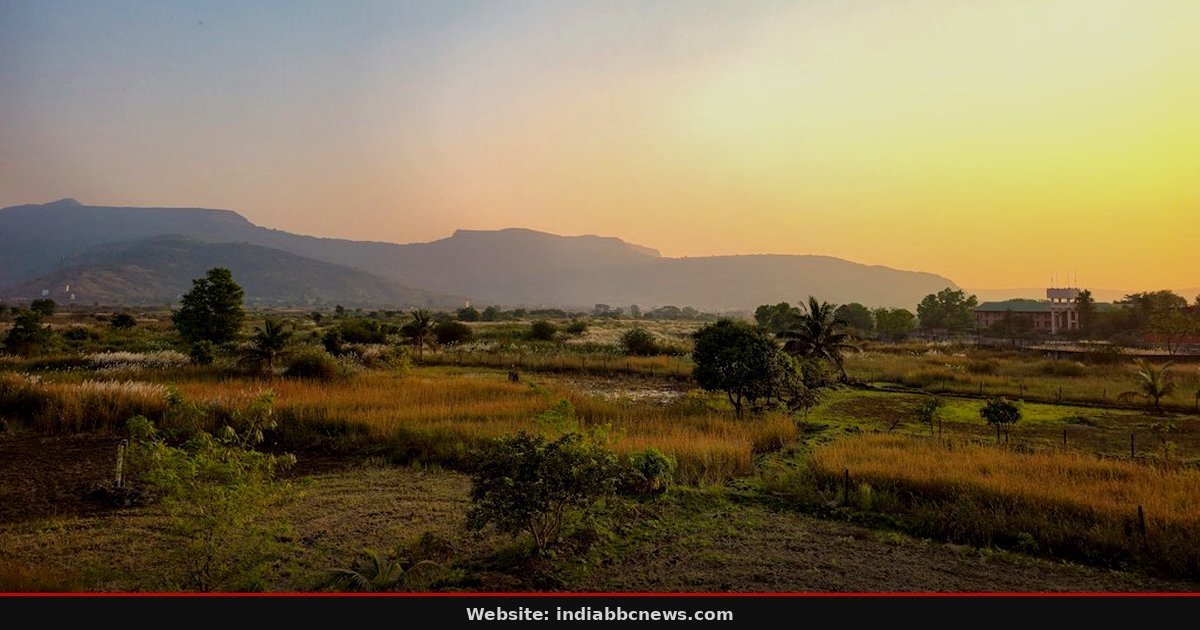
There will be no further delays in resolving the acute scarcity of water and fodder for livestock across the region, he asserted, standing against a backdrop of dry, cracked earth in Talakalagere. It’s a bold claim for a district that has seen its groundwater tables drop below critical safety levels for 3 consecutive years. Officials confirmed to journalists that the district administration has activated the Karnataka State Disaster Management Fund to procure 45 tanker services specifically for the rural belts of Kudligi and Salvi. The machinery is already on the ground, deployed at 12 designated check points to ensure 24-hour availability for the most vulnerable communities. Most of these tanks are parked near the older, crumbling wells that once served as primary sources but now stand dry and useless.
The Groundwork of a Promised Solution
But the logistics of moving water in a place with broken roads and no consistent power supply are a nightmare that no press conference can fix. The tanks themselves—often leased from private operators who hike prices during droughts—require diesel, a resource that is running low in local shops. That’s a harder sell than it sounds when the average farmer in Yadgir earns less than 500 rupees per week during the lean season.
Why Yadgir Bleeds Every Winter
Yadgir sits at the bottom of the Western Ghats, a geographical trap that means it receives the least rainfall in Karnataka, averaging just 600 mm annually compared to the state’s 1200 mm norm. The soil here is red and laterite-rich, which drains water quickly if it doesn’t get deep underground before the heat strips it away. Historically, this region relied on the Tungabhadra River, but upstream damming in the 1990s cut the flow by 40%, leaving villages high and dry. No amount of tanker truck driver shouting can change the hydrology of a plateau that was never meant to hold water.
Experts in hydrology have long warned that Yadgir is becoming a “post-drought” zone, where scarcity is the baseline rather than the exception. The district’s 2,000+ borewells are failing at an alarming rate, with 30% reporting zero yield in the last 5 years. It’s not just a lack of rain; it’s a failure of the ground to hold what little falls. The irony is thick here: a district named after a tiger sanctuary exists in a place where the thirst is more ferocious than any predator in those forests.
What This Means for India’s Water Policy
For India, Yadgir is a microcosm of a national crisis that is being ignored until it hits the headlines. The central government’s Jal Jeevan Mission promises tap water to every rural household by 2024, but the reality on the ground in drought-prone belts like Yadgir is a chasm between policy and physics. Indian markets, particularly in agricultural commodities, are already feeling the pinch as fodder prices in North Karnataka have spiked by 25% this month, disrupting supply chains to major dairy hubs. This isn’t just a local problem; it’s a stress test for India’s food security architecture.
Indian policymakers often frame water scarcity as a storage issue—build more dams, more reservoirs. But the Yadgir case suggests the problem is leakage and distribution, not just volume. The region has 15 major reservoirs, most of which are less than 20% full. That’s a harder pill to swallow for politicians who campaign on water security but can’t get the water to the tap. If Yadgir is the future of Indian rural water management, then the country is heading into a deep, silting hole.
Voices from the Dry Fields
“We’ve waited 10 days for a tank, and it came with 2 hours of power, so the pump failed half the time,” said Ramesh Gowda, a 52-year-old farmer in Agalgi taluk, who has lost 12 hectares of groundnut crop to dry spells. His cattle are thin, their ribs showing, and he’s using his own drinking water to keep them alive. “They say it’s solved, but I’m drinking dust,” he said, wiping sweat from his face. His words hit like a slap against the glossy language of government statements.
Local NGO leaders have pushed back against the administration’s timeline, arguing that 45 tanks are a drop in the ocean for a district with 1,500 villages. “We need recharge, not just transport,” said Anjali Desai, director of the Karnataka Water Rights Trust, in a statement distributed to local outlets. She noted that 70% of the tanker budget is spent on diesel, not water. That’s a harder sell than it sounds, especially when the alternative is watching children walk 5 km for a bucket. The community is exhausted, and skepticism is the only fuel left.
The Next 7 Days: Watch for These Moves
The district will hold a review meeting with the Chief Minister’s office on Thursday, where the deployment of 20 additional drilling rigs is expected to be announced. These rigs are meant to tap into the deeper aquifer, but experts warn it could take 3 weeks to see results. Meanwhile, the state disaster cell has classified Yadgir as a “severe water stress zone,” triggering emergency procurement rules that bypass usual bidding procedures. Critics say this opens the door to corruption, but the administration says speed is the only priority right now.
Watch for the arrival of the Indian Army’s engineering corps, which has been requested to assist in constructing temporary water channels from the Kadalpada reservoir. This is a rare move, signaling that the state has run out of civilian options. If the rigs don’t hit water within 10 days, we’ll see the first waves of protest in Talakalagere. The dust is rising, and it’s not just in the air.
Frequently Asked Questions
Why is Yadgir facing a water crisis now?
The district is experiencing a 4-year drought cycle combined with over-extraction of groundwater, which has depleted local aquifers. The monsoon rains were 30% below average this year, leaving reservoirs critically low. This is a compounding effect of climate change and poor water management.
How many tanks are deployed in Yadgir?
The district administration has deployed 45 tanker services, with plans to add 20 more drilling rigs. These are focused on the most affected taluks, including Kudligi, Salvi, and Agalgi. The deployment is ongoing, but coverage is uneven.
What is the impact on farmers in Yadgir?
Farmers are losing crops and livestock due to lack of water for irrigation and fodder. Fodder prices have spiked by 25%, and many are selling animals at a loss. The economic toll is severe, with many unable to repay loans.
Is the government’s response adequate?
Most experts and local leaders argue that the response is inadequate, as it focuses on symptom management rather than root causes. The lack of recharge mechanisms and long-term infrastructure is a major concern. Short-term solutions like tankers are not a viable long-term strategy.
What should residents do if they are affected?
Residents should contact the local taluk office for the nearest tank deployment schedule and report any delays. NGOs are also active in the region and can provide support. It’s crucial to conserve water and prioritize essential needs.
Source: The Hindu
Source: The Hindu

