


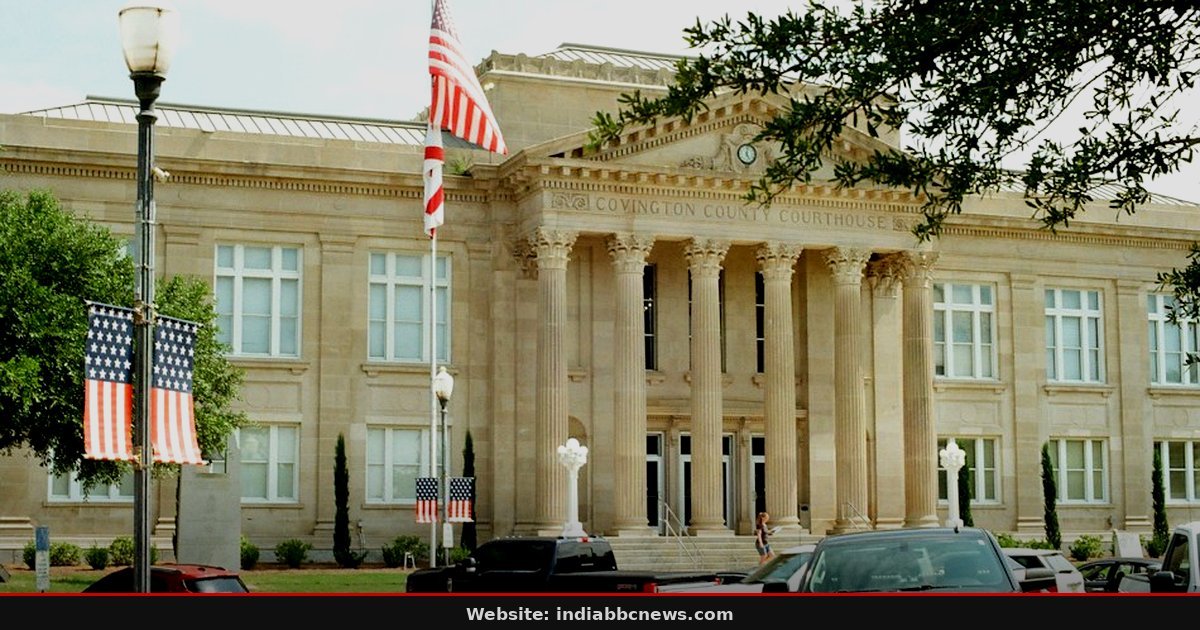
Kseniia Petrova walked out of the John Joseph Moakley U.S. Courthouse on a Wednesday afternoon. The air in Boston was already turning cold, biting at exposed skin, but that wasn’t the chill she felt. It was the weight of 11 months of legal limbo finally lifting.
The federal judge dismissed the criminal charges against her yesterday. No more smuggling allegations. No more frog embryo trials. Just a scientist, tired and vindicated, walking back into her lab life.
District Judge Leo T. Sorokin issued the order after prosecutors filed a petition to drop the case. They called her claims of vindictive prosecution “meritless” but said proving otherwise would expose non-public CBP investigative techniques. This isn’t a victory in a courtroom battle alone; it’s a rupture in the fabric of how the U.S. handles scientific exchange now.
The stakes were never really about the frogs. They were about who gets to decide what a researcher can bring through a checkpoint.
A Case Built on Paraffin and Paperwork
The saga started in February 2025 at Logan Airport. Officers found clawed frog embryos and paraffin slides in Petrova’s luggage. She had just returned from Paris, a routine stop for a researcher in aging biology. But routine didn’t matter when Homeland Security decided to dig deeper.
Her J-1 scholar visa was canceled within days. By May, she was facing criminal charges for smuggling goods into the country. The irony is almost too sharp to swallow.
Her attorney, Daniel N. Marx, called the samples “inert, non-living, non-toxic.” He argued that no danger was ever posed to anyone. Yet the government treated a biomedical researcher like a contraband smuggler. Two federal judges found that the “suspicious circumstances” warranted a look into whether DHS and DOJ unfairly targeted her. That’s a harder sell than it sounds when you’re arguing that frog legs aren’t a national security threat.
The Fractured Science Corridor
This incident didn’t happen in a vacuum. It landed right in the middle of a growing tension between U.S. universities and foreign nationals. Since 2022, the number of visa revocations targeting researchers has spiked. It’s not just frogs; it’s quantum computing data, AI models, and gene therapy samples.
The border is becoming a filter for ideas, not just people. And when the filter clogs, it doesn’t just stop bad actors. It suffocates good science.
Harvard didn’t issue a detailed public statement, but the silence from the administration speaks volumes. The university’s global reach relies on the free movement of scholars. When one researcher gets detained for 3 weeks, others notice. They pack differently.
They apply differently. They hesitate. That hesitation is expensive. It costs millions in potential breakthroughs that never make it to the bench.
What This Means for India’s Research Ties
For India, this story is a flashing red light on the dashboard. Indian scientists are increasingly going abroad to postdocs and faculty roles, often carrying sensitive data or biological samples for collaborative projects. The U.S. is a major hub for genomics and gerontology, fields where India is investing heavily. If a Harvard professor can be charged with smuggling frog embryos, what happens when an Indian researcher is caught with tissue cultures? The perception risk is immediate and damaging.
Indian students currently studying in U.S. institutions are already feeling the anxiety. There’s a quiet fear circulating on student forums that “normal” academic activities are being criminalized. This isn’t just about one woman; it’s about the pipeline of talent that flows between New Delhi and Cambridge, Massachusetts. If that pipeline freezes, India loses access to cutting-edge training.
It loses the chance to train its own next generation of biotech leaders in the world’s top labs. The economic impact on India’s pharma and biotech sectors could be subtle but significant over the next 5 years.
Why Prosecutors Backed Down
Federal prosecutors dropped the case because they couldn’t prove their point without exposing how they work. They said providing evidence against the “vindictive prosecution” claim would reveal non-public information about Customs and Border Protection operations. That’s a rare admission. It means the government realized the trial would be a disaster.
They’d be on the stand explaining why they targeted a scientist, not a terrorist. The optics were too bad to ignore.
Marx said the DOJ “never should have brought this highly unusual ‘smuggling’ prosecution.” He described Petrova as determined to advance medical research into aging that could benefit everyone. But the question remains: how many other cases are moving quietly in different courthouses? How many other scientists are sitting in detention centers, waiting for a judge to notice the absurdity? The dismissal of Petrova’s case is a win, but it’s not a shield for everyone. Not yet.
The Next Step: Immigration Limbo
Criminal charges are gone, but Petrova isn’t free in the traditional sense. Her visa is still canceled. A judge in Vermont ruled earlier that the cancellation was unlawful, but the process for re-entry is muddled. She remains in immigration proceedings.
The DOJ dropped the criminal case, but DHS still has leverage. This is the trap. You can lose the criminal trial and still win the immigration war, or vice versa. For scientists, the status quo is the real enemy.
What comes next is a battle over her legal status. Will she get her visa back? Will she be allowed to return to her lab fully, or will she work under permanent surveillance? The answer won’t come overnight.
But her attorney says she has shown “tremendous courage.” Courage doesn’t pay rent. It doesn’t run experiments. She wants to go back to her work. That’s all.
And that’s more than enough reason for the system to let her go. Federal prosecutors filed a petition to dismiss the case after realizing they couldn’t prove vindictive prosecution without exposing confidential Customs and Border Protection operations. Judge Leo T. Sorokin agreed and dropped the charges on Wednesday.
Frequently Asked Questions
Why were the charges against Kseniia Petrova dropped?
What was Kseniia Petrova accused of doing?
She was accused of smuggling frog embryos and other biological samples into the United States. Her lawyers argued these were inert scientific samples necessary for her research in aging biology. It highlights the vulnerability of foreign nationals to strict visa enforcement, potentially chilling academic collaboration. It may make researchers from other countries, including India, more hesitant to bring physical samples across borders.
How does this affect international students in the US?
Is Kseniia Petrova free to go on her visa?
No, her J-1 visa was revoked earlier, and she is still facing immigration proceedings. While the criminal threat is gone, her legal status in the U.S. remains unresolved. Source: NBC News
Source: NBC News

