


He Saved Her Life. Now He’s Fighting the State to Keep Her
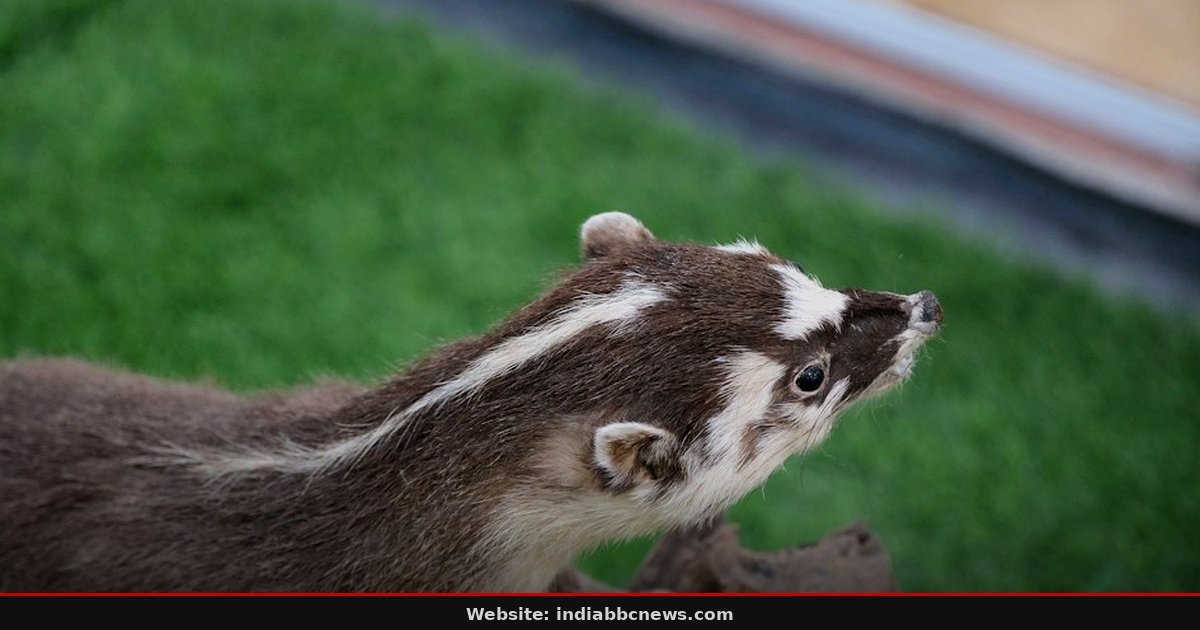
A man in the Scottish Borders is suing for custody of a badger because the law says he can’t keep the animal he pulled from a death sentence. Graeme Wilson found Harriet in April. She was starving, filthy, and trembling in a cattle trough 100 meters from home. The bureaucratic battle over her future has dragged on for months, turning a simple rescue into a test case for wildlife policy.
The Cub That Refused to Be Wild
Wilson runs GW Ecology, a small independent service based in his Denholm home. He usually surveys sites for developers or leads bat walks, not raises orphaned mammals. But when he found Harriet, the situation was different. She wasn’t just an animal; she was a patient in critical condition.
She had been separated from her sett, likely by a predator or a failed dig. Wilson called it a miracle she was still alive. The damage was done by the time he arrived. She was skeletal, her eyes sunken, her body barely holding together under the weight of her own fur.
The immediate threat was starvation, but the long-term threat was worse. Wilson realized quickly that Harriet had been hand-reared before his arrival. She didn’t fear humans. She sought them out. It’s a fatal flaw for a wild animal in modern Scotland.
If you release a badger that trusts people, you’re signing a death warrant. They are social creatures, yes, but their social group is the sett, not the dog walker. Wilson watched her take a bottle feed with an eagerness that no wild-born cub would show. It was instant recognition, a bond formed in the dark before anyone knew her name.
NatureScot’s “Pragmatic” Dead End
Wilson applied for an educational license to keep Harriet. He argued that a public-facing role would serve conservation goals better than a graveyard in the woods. NatureScot, the public body responsible for Scotland’s natural heritage, rejected the application. Their position is rigid, though not without nuance.
They told him the options were release or a zoo. A zoo, Wilson argues, is just a slower form of solitary confinement. Badgers need space, soil, and interaction. Behind glass, Harriet would wither. The institutional response has been to talk in circles, seeking a “pragmatic solution” that hasn’t materialized after months of delay.
Police Scotland has been notified, adding a layer of legal anxiety to the emotional toll. Wilson admits he may not win. The system is designed to put animals back in the wild, not to accommodate the exceptions that life creates. That’s a harder sell than it sounds, especially when the exception is a starving, bottle-fed creature looking up at you with gratitude.
But the rigidity of the law is showing cracks. Several badger rescue groups in Scotland have backed Wilson. They see what the regulators miss: that some animals simply cannot survive the very wilderness the law tries to protect them in. The debate isn’t just about one badger. It’s about whether wildlife policy can bend without breaking.
The India Angle: When Rescue Becomes a Legal Quagmire
For Indian readers, this story hits close to home, though the animals are different. India faces a similar crisis with raptors, primates, and exotic pets found in urban areas. The Wildlife (Protection) Act of 1972 is strict, often forcing agencies to release animals that may not survive. But the Indian context is more chaotic, less bureaucratic, and far more dangerous.
In cities like Mumbai or Bengaluru, rescued monkeys or hornbills are often handed to NGOs that lack proper quarantines or funding. Unlike Scotland’s structured (if slow) process, Indian wildlife rescue is often ad-hoc, relying on volunteer goodwill and sporadic government attention. Wilson’s fight highlights a gap that Indian agencies also struggle with: the legal limbo for animals that are too tame to be wild but too wild to be pets.
Indian markets for exotic pets remain a black market, despite legal bans. If a badger in Scotland can be the subject of a custody battle, imagine the chaos around a rescued gaur or a hand-raised macaque in Delhi. The ethical dilemma is the same: who owns the animal’s welfare when its natural instinct has been rewritten by human contact? For Indians, the answer is often silence, not legal debate.
Why Hand-Rearing Dooms Wild Animals
Experts in wildlife rehabilitation agree on one point: human imprinting is a one-way trip. Once an animal bonds with a person, its survival instincts are compromised. They lose fear of cars, dogs, and predators. They become curious, not cautious. That curiosity is what gets them killed.
Harriet’s case is extreme, but it mirrors countless stories of deer or foxes raised in suburban gardens. The urge to save is noble, but the outcome is often tragic. Wilson didn’t cause the problem, but he inherited it. He’s now fighting to manage the consequences, not undo them. It’s a burden he didn’t ask for, but he’s carrying it anyway.
The science is clear: wild animals need wild behaviors. But love is not always a virus that can be cured by time. Sometimes, the bond is too strong to break. That’s the ethical knot no policy document seems to address.
We save them, but we can’t always set them free. And that’s a quiet tragedy waiting to happen in a barn in the Borders.
What Happens Next for Harriet
NatureScot says talks are ongoing, but no deadline has been set. Wilson says he will keep fighting, supported by rescue groups and public sympathy. The ball is in the court of the regulator, who must decide if an exception is possible. If not, Harriet’s fate remains uncertain, hanging on a thread of bureaucratic discretion.
The next step is likely a review of the license denial. If that fails, Wilson might take it to the courts, a path that could take years. In the meantime, Harriet stays in her enclosure, safe for now, but never truly free. The outcome will set a precedent for similar cases across the UK. It’s a small story with massive ripples, and everyone is watching to see if mercy wins over procedure.
Frequently Asked Questions
Why can’t Graeme Wilson just keep the badger?
Badgers are protected wildlife in the UK, and private ownership is illegal without a specific license. NatureScot denied his educational license request, citing regulations that prioritize wild release. He’s fighting the denial, but the law is on their side.
Is it safe to release a hand-raised badger into the wild?
No. Hand-raised badgers lack fear of humans and predators, making them vulnerable to being hit by cars or killed by dogs. Wildlife experts warn that release often leads to a short, painful death rather than a life.
What is NatureScot doing about this case?
NatureScot is in talks with Wilson and other organizations to find a pragmatic solution. They acknowledge the animal’s welfare is a priority but have not yet offered a concrete alternative to release or zoo placement. Generally, no. India’s Wildlife Protection Act prohibits keeping wild animals as pets, even if rescued. There are exceptions for certain species under permit, but enforcement is inconsistent and the black market thrives.
Can other animals in India be kept as pets if rescued?
Who is responsible for rescuing wildlife in the UK?
In Scotland, NatureScot oversees policy, while groups like the Scottish SPCA handle immediate rescues. Private individuals like Wilson often fill gaps, but they operate under strict legal constraints that can limit their options. Source: BBC UK
Source: BBC UK

