


Trump Retreats to Private Residence After Historic Republican Collapse in 2026 Midterms
The phone went dead. Inside the White House, aides waited for a statement, but instead, the President retreated to his private residence, leaving the chaos of the losing party to fester in the silence of a Tuesday night that will be remembered as the end of an era.
The Blue Tsunami Hits Michigan and Texas
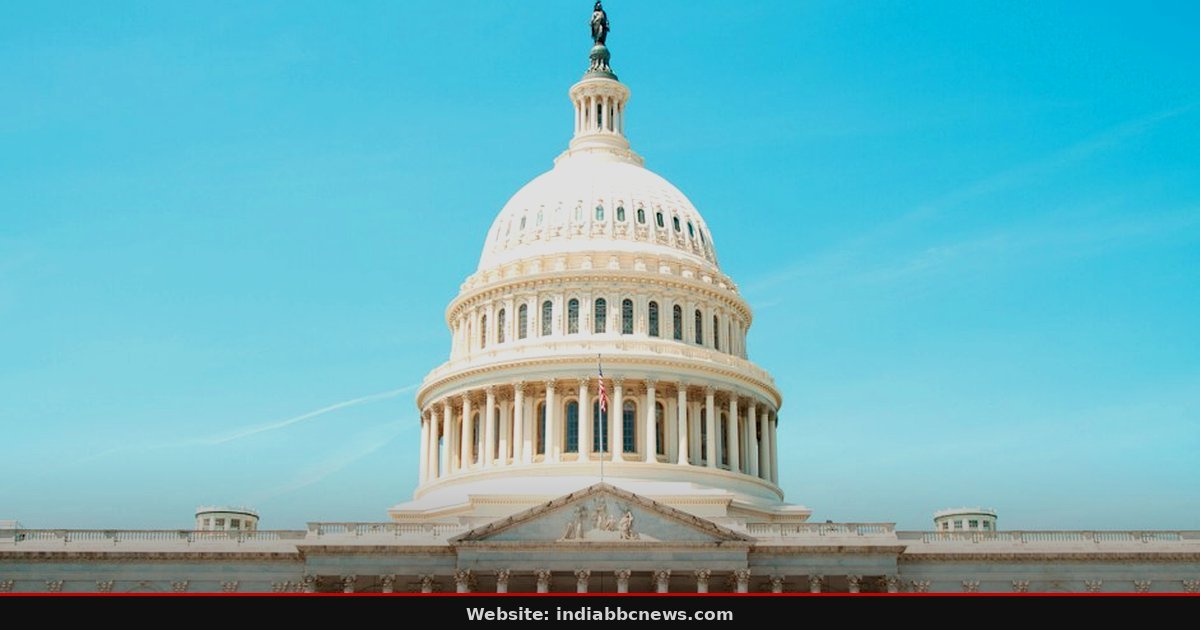
Democrats took back both chambers of Congress in a sweep so total it defied every prediction market. Abdul El-Sayed, a progressive Democrat, became the first Muslim senator in U.S. history after a stunning victory in the key swing state of Michigan. It wasn’t just a win; it was a signal flare to the rest of the country that the political center of gravity had shifted permanently to the left. The victory in Detroit shook the foundations of the Republican party, which had treated the state as a sure thing for the past decade.In Texas, Democrat James Talarico defeated Trump-backed attorney general Ken Paxton to win a Senate seat, breaking the party’s 38-year losing streak in the Lone Star state.
This wasn’t an anomaly; it was a pattern. From Ohio to Georgia, voters punished the administration for its handling of the economy and the unpopular Iran war. The margin of victory in many districts was not just comfortable; it was humiliating for the incumbents. People didn’t just vote for a change in leadership; they voted to dismantle the platform that had put Trump in power.Trump’s Despondent Silence and Blame GameUsually, the President tweets instantly.
He posts memes, he attacks the press, he claims victory while still ahead. This time, there was nothing but a single, cryptic image of a magenta hat with the word ‘VETO’ stitched across the front. Aides described a leader who was despondent, isolated in his private residence, refusing to take calls from senior party officials who wanted to console him or strategize. The silence was louder than any speech he could have given.
It confirmed what polling had suggested: the base was fractured, angry, and many had simply stayed home.Before disappearing, Trump accused Fox News of bad polling, claiming their forecasts were “terrible” and had been wrong for 12 years. He blamed his own candidates, letting it slip that the Iran war had blighted his support. “I conceded that the Iran war was in part responsible,” an insider told reporters. That admission was the dagger.
For months, the administration had insisted the conflict bolstered national security and electoral appeal. Now, with the numbers in, the truth was undeniable: the war cost them the Senate.Global Reactions Spark Immediate Geopolitical ShiftsInternational leaders moved fast to capitalize on the political vacuum. Pedro Sánchez, the Spanish prime minister, wrote on social media that the U.S. had voted against “hate, machismo, and climate denialism.” He called the “ultra wave” crumbling, a direct jab at the far-right movements in Europe that had relied on U.S. validation. For years, global conservatives had looked to Washington as the capital of their cause.
Now, they are alone, and the contrast is stark and uncomfortable for their domestic campaigns.In Tehran, the celebration was loud and explicit. Mohammad Bagher Ghalibaf, the Iranian parliament speaker, took to X to frame the U.S. result as a rejection of his government. “Conscience or the cost of living, Americans said NO TO WAR,” he posted. “If the US govt betrays their public will… it will learn our NO comes with a Nightmare.” The quote chills even hardened diplomats.
It implies that the new Congress will face immediate, aggressive diplomatic pressure from Iran, armed with the knowledge that the U.S. executive is weakened and politically exposed. This isn’t just good news for the U.S. left; it’s a strategic warning to the new caucus.What This Means for India’s Strategic BalanceFor New Delhi, this result is a complex puzzle that requires immediate recalibration. The Trump administration had pursued a transactional, often hawkish approach to Indo-Pacific security, frequently prioritizing trade deficits over strategic partnership. With Democrats controlling Congress, the tone on defense and technology is likely to shift toward multilateralism and institution-building.
Indian exporters, particularly in the pharmaceutical and IT sectors, may find the regulatory environment less adversarial.However, India must prepare for a more vocal Congressional delegation focusing on human rights and labor standards, issues that often stall trade deals. The “Blue Tsunami” suggests a Congress that will closely scrutinize any bilateral deals, potentially slowing down the formalization of the critical mineral supply chains that both nations are eager to develop. Indian policymakers in the Ministry of External Affairs will need to pivot from back-channel deals with the White House to broader, coalition-based diplomacy with the new Senate and House leadership. It’s a harder sell, but potentially more stable in the long run.The Next 90 Days: Veto Threats and Budget BattlesThe ‘VETO’ hat wasn’t a joke; it was a threat.
The new Democratic majority in the House and Senate will immediately move to legislate around the President, using their power to block executive orders and control the purse strings. Trump has indicated he will focus on his “legacy” for the remainder of the term, which likely means a relentless use of the veto power against any bill that touches national security or immigration. This sets the stage for a constitutional standoff that will define the next two years.Markets have already reacted with a surge in volatility. The dollar weakened initially as investors priced in the risk of higher taxes and stricter regulations under a unified Democratic government.
But the real danger is legislative gridlock. If the President vetoes spending bills, there is a risk of a partial government shutdown before the holidays. Analysts suggest this uncertainty will keep the Federal Reserve on hold, delaying any rate cuts that were anticipated in the third quarter. For global investors, this is a period of heightened risk that demands caution and careful hedging strategies.
The era of easy money under this administration is over.Frequently Asked QuestionsWho is Abdul El-Sayed and why is his win historic?Abdul El-Sayed is a former surgeon and progressive Democrat who won the Senate seat in Michigan. His victory is historic because he becomes the first Muslim American to serve in the U.S. Senate, marking a significant milestone for religious and political diversity in the highest legislative body of the country.Did Trump admit to losing the midterms?Trump has not fully conceded the election, but he admitted that the Iran war contributed to the Republican defeat. He has retreated to his private residence and been silent, which is highly unusual for him during election nights, suggesting he is processing the scale of the loss before making any official statements.How does this affect India-US trade relations?The shift to a Democratic Congress may slow down bilateral trade deals due to increased scrutiny on labor and environmental standards, but it could stabilize security partnerships in the Indo-Pacific region.
Indian exporters should expect a more bureaucratic process for new agreements but potentially less hostility regarding tariff disputes in the short term.What is the ‘VETO’ hat symbolizing?The hat symbolizes Trump’s intent to use his presidential veto power aggressively against the new Democratic-led Congress. It signals a strategy of obstruction rather than cooperation, implying that he will block legislation that he believes undermines his administration’s core policies or legacy projects.Source: The Independent World
Source: The Independent World

