


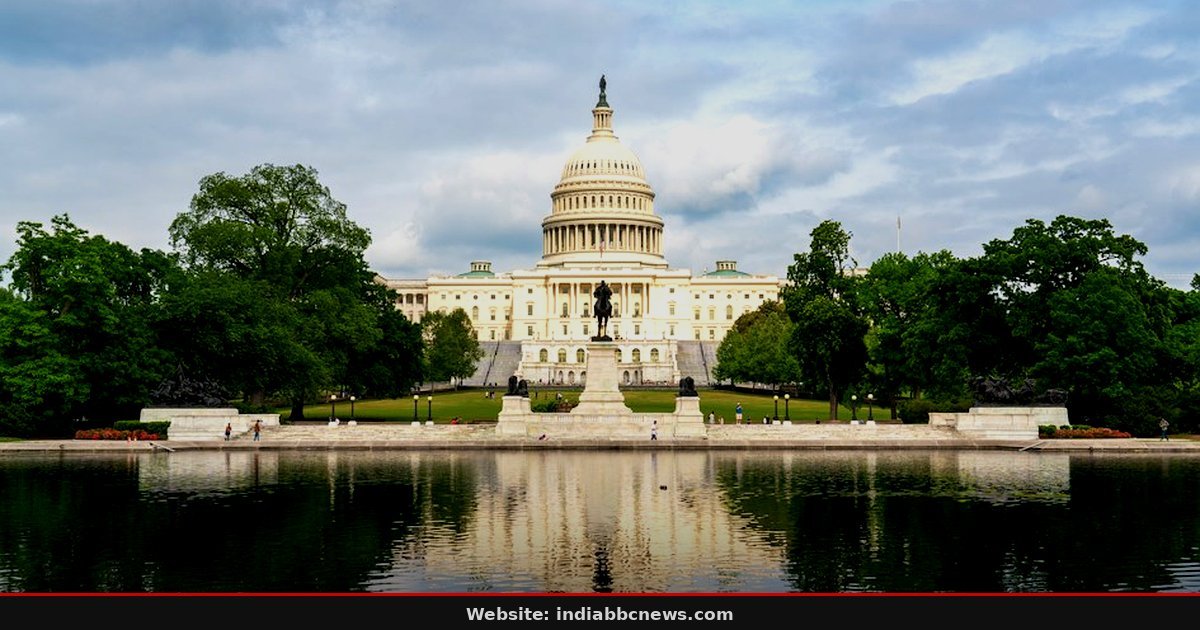
Roy Cooper just kicked the door down. In a move that caught even seasoned political observers off guard, the North Carolina governor defeated Michael Whatley, a former chairman of the Republican National Committee, to flip what many had assumed was a safe seat for the opposition. The win broke the Democratic dam. It wasn’t just a victory; it was a seismic shift in the balance of power that will define the final two years of Donald Trump’s presidency, a period already clouded by economic anxiety and geopolitical tension.
The night was supposed to be a contest between two entrenched parties, but it became a referendum on costs, chaos, and the sheer weight of a presidency that refuses to acknowledge its own unpopularity. Trump had urged voters to treat his name as if it were on the ballot, a strategy that backfired spectacularly in states where the price of groceries and energy had become unbearable. The early returns show Democrats seizing momentum they haven’t possessed in years, turning a predicted stalemate into a potential takeover of one or both chambers of Congress.
North Carolina Flips: The First Dominos Fall
The scene in Raleigh was electric, a stark contrast to the grim predictions made by Republican consultants just weeks earlier. Cooper, a moderate who had positioned himself as a voice for working-class voters, cut through the noise with a simple message about stability. He stood before a crowd that had gathered through the night, his voice steady despite the adrenaline of a historic upset. “Tonight, we showed the country that when everyday people come together, we can make change,” Cooper told reporters, his tone mixing pride with a weary relief. It was a statement that resonated far beyond state lines, signaling a shift in voter demographics that data models had failed to capture accurately.
Whatley’s defeat is significant not just for the seat, but for the psychological impact it had on the rest of the race. A former RNC chairman losing in a state that Trump won in 2024 suggests a deeper malaise within the Republican base. The margin was narrower than expected, but the direction of travel was clear: voters were punishing incumbents and those closely associated with the White House. This isn’t just about one seat; it’s about the unraveling of a party structure that hasn’t adapted to post-pandemic economic realities. The implication is that the GOP’s grip on the South, once thought unshakeable, may be developing hairline fractures that will widen in future cycles.
Georgia Holds: Ossoff’s Re-election
Jon Ossoff’s victory in Georgia was a different beast entirely, a defensive stand that secured a critical piece of the Senate puzzle. The 39-year-old senator, who has become a national figure for his blunt critiques of administration policy, turned a tight race into a decisive win. He didn’t shy away from the hostility, framing his campaign as a fight for the survival of democratic norms against what he calls “depravity and incompetence.” In a statement to supporters, Ossoff painted a picture of a nation under siege, urging them to find courage in the results. “Let tonight’s results give you courage that the first light of dawn is on the horizon,” he said, a line that carried the weight of a two-year struggle.
But the win comes with a caveat that analysts are already whispering about. Georgia’s Senate seat was a top target for Republicans, and their failure to flip it leaves them short of the net gain needed for a majority. Ossoff’s brand of aggressive opposition is polarizing, sure, but in this environment, polarization is fuel. The Democratic base mobilized in ways that surprised even the party’s own strategists, showing that outrage can still be a reliable driver of turnout.
However, the margin in some key counties was thinner than in previous cycles, a reminder that these wins are fragile and require constant maintenance. The real test will be in the House, where geographic gerrymandering makes momentum harder to sustain.
The Cost of Living War: Why Voters Turned
It’s hard to ignore the material conditions that drove this election, the daily grind of high energy prices and tariff-fueled inflation. The Iran conflict, which Trump launched with Israel earlier in the year, sent shockwaves through global oil markets, and those ripples landed directly on American kitchen tables. Voters didn’t care about abstract geopolitical strategy; they cared about the price of heating their homes in winter. This disconnect between the White House’s foreign policy ambitions and the domestic economic hit was the single biggest factor in the Democratic surge.
It wasn’t about ideology; it was about survival. That’s a harder sell than it sounds, for any administration claiming to represent the “common man.”
The tariffs, intended to protect domestic industry, ended up raising consumer prices across the board, from electronics to basic foodstuffs. Economists have long warned that supply chain interventions can have unintended consequences, but this was the textbook case. The energy prices, specifically, created a wedge between the GOP’s base and the broader electorate, a split that only widened as the year went on. Nobody in the room looked convinced that the administration’s economic models had accounted for the speed and scale of this backlash.
The result is a mandate for change, not just in policy, but in the rhetoric and priorities of the party in power. The voters are done with abstract promises; they want relief, and they’re angry about the lack of it.
Historic Firsts: Diversity in State Leadership
The night wasn’t just about federal seats; it was a landmark moment for state-level diversity that could reshape local politics for decades. Byron Donalds became Florida’s first Black governor, a breakthrough in a state that has historically leaned heavily Republican. Simultaneously, Keisha Lance Bottoms in Georgia made history as the first Black woman to win the governorship, a milestone that underscores the changing demographic fabric of the South. These aren’t just symbolic wins; they represent a realignment of power in states where media attention is often low, but where policy impact on daily life is immediate and profound. The implications for education, healthcare, and infrastructure in these states could be substantial, driven by leaders with different priorities and experiences.
Chris Pappas also retained New Hampshire, fending off John Sununu, the son of a former governor, in a race that served as a proxy battle for legacy and youth. Pappas’s win ensures continuity in a state that often serves as a bellwether for national trends, but it also highlights the fragility of Democraticholds in the Northeast. The diversity of these leadership changes is a testament to the mobilization efforts of younger voters, who turned out in record numbers despite inclement weather. It’s a sign that the political engagement of today’s voters is more diverse and driven by local issues than in previous decades. The challenge now is translating these local victories into coherent federal policy, a task that requires coordination and strategic vision.
What This Means for India
For Indian readers, the ripple effects of US political instability are immediate and tangible, extending well beyond Washington’s borders. The sharp faltering of US stocks following the election results has already created volatility in Indian markets, with the Nifty 50 mirroring the S&P 500’s dip in the early trading hours. Indian exporters, particularly in IT and pharma, are scrutinizing the new legislative landscape, fearing that a divided Congress could lead to unpredictable trade policies or tariffs that disrupt supply chains. The uncertainty isn’t just financial; it’s strategic, as a weakened US executive branch may signal delays in tech partnerships or defense deals that India has been courting. The bottom line is clear: when Washington is in chaos, Mumbai feels the tremors in its trading floors and boardrooms within 24 hours.
Moreover, the shift in US foreign policy priorities under a potentially checkmated Trump administration could alter the calculus for India in the Indo-Pacific. A Congress that can launch investigations into administration conduct may slow down or derail bilateral agreements that were in the pipeline, including those related to semiconductor manufacturing. Indian policymakers in New Delhi are already bracing for a more difficult diplomatic environment, where the US may be less willing to compromise on nuclear deals or trade imbalances. This isn’t just about money; it’s about geopolitical leverage.
If the US is distracted by internal power struggles, it may be less effective as a counterweight to China in the region, a scenario that forces India to rely more heavily on its own strategic autonomy. The stakes are high, and the timeline is urgent. Voter discontent over the cost of living and energy prices was the primary driver, not just party affiliation. Cooper’s moderate message resonated with independents who felt alienated by the administration’s policies. The margin was tight, but the turnout in key suburban counties tipped the scale decidedly in his favor.
Frequently Asked Questions
Why did Democrats win the North Carolina Senate race?
How does this affect US stock markets?
Investors reacted negatively to the uncertainty, with the S&P 500 dipping in pre-market trading. A divided Congress often leads to legislative gridlock, which can slow down corporate tax reform and infrastructure spending. Analysts expect continued volatility until the balance of power is clearer.
What is the next step in the US Congress?
The formal canvassing of votes will take place in the coming days, with final certification expected in the following weeks. If Democrats gain a majority in either the House or Senate, they will immediately begin organizing committees and launching oversight investigations into the administration’s foreign and domestic actions. This process could take months to fully materialize in policy changes.
Will Trump dispute the results?
It is highly likely, given his history of challenging election outcomes, especially in close races. His previous claims about voter fraud suggest he may seek legal interventions if any key counties show marginal losses for the GOP. However, the courts have generally upheld certified results, making successful challenges unlikely without substantial evidence of irregularities.
Source: Evening Standard UK
Source: Evening Standard UK

