


Lawrence Robb Bow Out: The Night The Triple Dance-Off Broke Strictly Come Dancing
Lawrence Robb is gone. He walked away from the Crystal Palace stage on a Sunday night, his face set in that particular look of disappointment that only long-form drama actors know how to wear. It wasn’t a surprise in the weeds, but the method of his exit — a 3-1 judges’ vote against the public — felt cold, brutal, and entirely new for the show.
The Mechanics of the “Triple Threat” Failure
For the first time in the show’s 20-year history, the bottom 3 couples danced, and the judges had to pick who leaves. It was a format change that promised high stakes but delivered a weirdly undemocratic outcome. The audience made their voices heard, but the panel in the glass box held the final, deciding power. Robb and his partner Jowita Przystal scored 26 points, trailing Jaime Winstone and Carlos Gu who managed 27, while Bethany Antonia and Nancy Xu sat at 30.
The math was simple, but the atmosphere in the studio was thick with tension. Shirley Ballas, Anton Du Beke, and Craig Revel Horwood all voted to send Robb and Przystal home. Motsi Mabuse didn’t even need to use her casting vote, though she told reporters she would have agreed with the majority. It raised a question about whether the “highest score” automatically protects a couple when the public has already spoken. If the judges can override the people paying for the tickets, what is the point of the live vote?
Ghostbusters, Salsa, and the Halloween Gauntlet
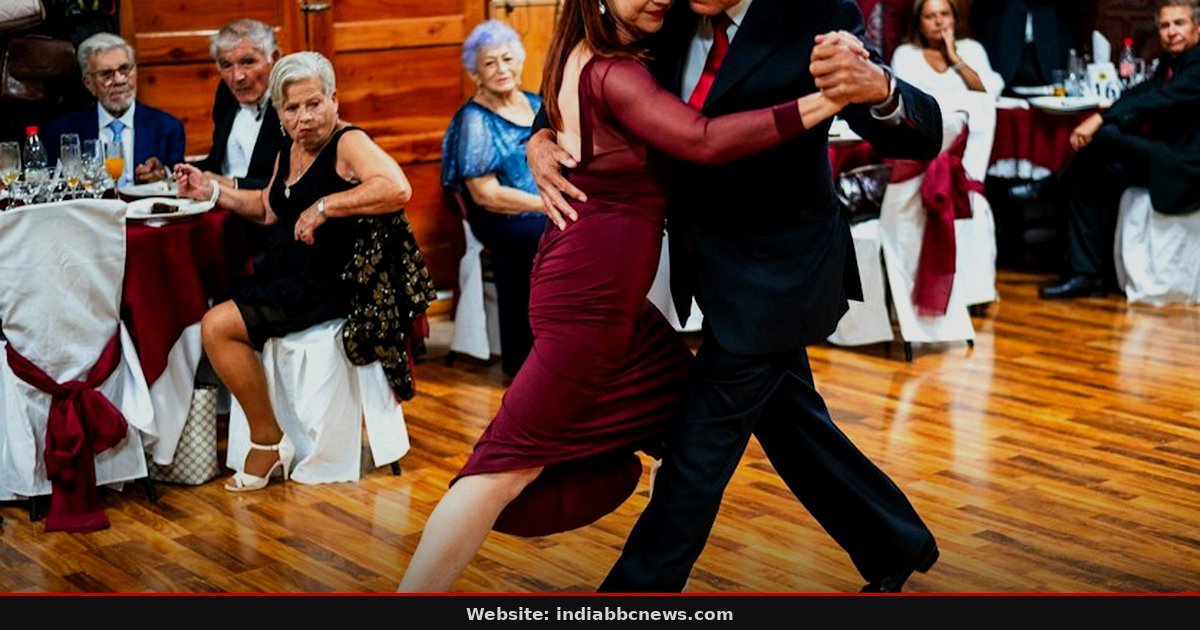
The dances were set to the horror and pop music of the decade, a nod to the Halloween week theme. Robb and Przystal re-performed their tango to “Ghostbusters,” a track that demands a swagger Robb simply didn’t possess. Winstone and Gu burnt the floor in a salsa to “Filthy/Gorgeous,” moving with a fluidity that made the tango look stiff by comparison. Antonia and Xu nailed their jive to “I’m In Love With A Monster,” showing the raw energy that kept them safe for another week.
The audience didn’t care about the technicalities of the sway; they cared about the vibe. Robb looked tired, his movement mechanical rather than instinctive, a stark contrast to the electric chemistry Winstone shared with Gu. That’s a harder sell than it sounds: convincing a roomful of judges that a soap actor has the soul of a dancer. The tango is a dance of power and submission, and Robb tried to do both at once, ending up doing neither effectively. It was a performance that felt rehearsed, not felt.
What This Means for India: The Global Reach of British TV
Why should a viewer in Mumbai care about a dance-off in Birmingham? Because the economics of international streaming have made “niche” local shows a global commodity. Disney+, which holds streaming rights to much recent BBC content in certain regions including parts of Asia, has seen a spike in engagement with UK reality formats. This isn’t just entertainment; it’s a soft power vehicle that shapes cultural perceptions of British celebrity culture across the Commonwealth.
In India, the appetite for dance-centric reality TV is massive, given the legacy of “Jhalak Dikhhla Jaa” and “Dance India Dance.” However, the format here is different; Indian version eliminations are almost always audience-driven, creating a direct feedback loop between the performer and the voter. By shifting to a judge-led selection, the UK version has alienated the core demographic that drives social media engagement. For Indian producers looking to tweak their own formats, this is a cautionary tale: the audience is the product, and taking their power away risks losing them entirely. The data shows that when viewers feel powerless, they turn off, or they boycott, and both are bad for advertising revenue. It’s a subtle but significant shift in how global media houses are tailoring reality TV for export.
The Historical Echo: When Judges Held the Power
This isn’t the first time the judges have wielded such influence, but the scale has changed. In the early 2000s, it was common for a couple to be saved by a split decision despite low scores. Take the 2017 incident where the public voted for one couple, but the judges saved another, leading to weeks of online controversy. Back then, it was a novelty, a spice added to the pot.
Now, with social media amplifying every micro-aggression and preferential treatment, the risk of backlash is exponentially higher. The internet doesn’t forget, and it doesn’t forgive perceived elitism in entertainment.
Experts in media studies often note that reality TV thrives on perception of fairness. When that perception is broken, the show’s brand suffers long-term damage. The “Strictly” brand is built on the idea that anyone, from a plumber to a prime minister, can dance. If the outcome is determined by 4 judges in a box who are often criticized for their biases, that democratic illusion shatters.
It’s a risky gamble for the BBC, especially with viewership numbers creeping down across all prime-time slots. The goal is to keep the drama high, but you can only push the audience so far before they stop caring who wins the dancing shoes.
Ian McKellen, Vampires, and the Show Within the Show
Amidst the tension, there was a moment of pure, unadulterated joy: Sir Ian McKellen. The actor, who has been a face of British culture for decades, lent his voice to a surprise segment. He read an excerpt from Bram Stoker’s *Dracula* while the professional dancers performed a vampire-themed routine. It was a masterclass in timing, a small piece of theatrical magic in a sea of over-production. The contrast between the old-world horror of Stoker and the neon-lit chaos of the main stage was jarring, in the best way possible.
Why did they include it? To remind the audience that this is a stage show, not just a competition. It anchored the evening in a specific cultural moment, Halloween, and used a recognizable star to bridge the gap between high art and pop culture. It’s a small detail, easily overlooked in the heat of the elimination, but it’s the kind of thing that makes a show memorable.
You don’t remember the tango; you remember the old man reading about vampires while a girl in a latex suit spins in a circle. It’s theatrical, it’s weird, and it’s exactly what Strictly needs to stand out in a crowded market. The judges held the deciding power in this triple dance-off. They voted 3-1 to eliminate him, overriding the public’s preference for other couples.
Frequently Asked Questions
Why did Lawrence Robb get eliminated despite the public vote?
How many couples were in the triple dance-off?
There were 3 couples: Lawrence Robb, Jamie Winstone, and Bethany Antonia. All three had the lowest scores combined from judges and votes. No judge voted to save the specific couple from elimination in the traditional sense; the vote was to eliminate. Only Motsi Mabuse’s position is debated as she didn’t need to cast her vote, but she said she would have voted to eliminate them too.
Who voted to save Lawrence Robb?
When does Strictly Come Dancing return?
The show returns on Saturday, November 7, at 6.30pm on BBC One. The next episode will feature the remaining 10 couples in a standard two-couple dance-off. Source: Evening Standard UK
Source: Evening Standard UK

