


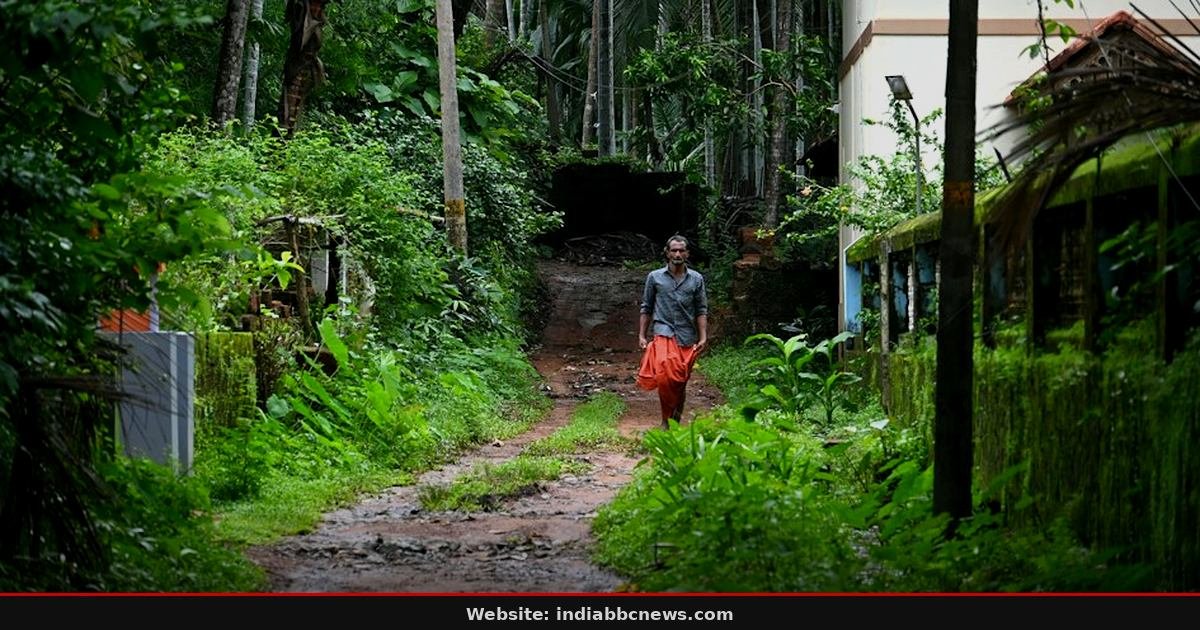
Twelve dead babies in one district: The Attappady crisis that Kerala can’t wash away
The number is 12. Twelve infants have died in the Attappady region of Kerala this year. Ten of them belonged to tribal communities. The state government ordered an expert probe, but the silence in the jungle villages says more than any press release can explain.
124 deaths since 2011: A statistic that has stopped mattering to politicians
Tribal activists have long tracked these numbers, and the data is damning. Since 2011, 124 infants have died in the region, a death toll that would be unthinkable in any other part of the state. This isn’t a new crisis; it’s a relentless one, bleeding away a community’s future one small body at a time. The 2013 incident, where 47 tribal infants died in a single year, should have changed everything.
It didn’t. Why does a state known for its literacy rates and healthcare infrastructure remain so blind to this specific pocket of suffering?
The political machinery in Thiruvananthapuram reacts, investigates, and then goes quiet. There have been multiple probes, multiple committees, and multiple promises that have vanished into the bureaucratic ether. The current death toll has reignited the fight, with local leaders demanding more than just medical attention. They’re asking for a fundamental rethinking of how the state approaches tribal welfare. It’s a harder sell for politicians who want to highlight Kerala’s high Human Development Index scores.
Why the doctor isn’t enough: The real reasons babies die in the jungle
Local health officials point to late arrivals at facilities and lack of neonatal care as primary factors. But those on the ground know the story is far more complex and deeply entrenched in poverty. Anaemia among pregnant women remains widespread, making childbirth a deadly gamble for mothers and infants alike. Low birth weight is the norm, not the exception, in a community that struggles to access basic nutrients. The jungle isn’t just a geographical barrier; it’s a socio-economic one that cuts off timely medical intervention when it matters most.
Activists argue that you can’t just drop a hospital in the middle of a systemic failure and expect miracles. They’ve been calling for sustained action on malnutrition, land rights, and economic inclusion for years. The current government’s response of sending a probe team feels performative to many locals. Nobody in the room looked convinced that another committee would solve what previous ones couldn’t. The crisis demands a holistic overhaul, not just a medical patch.
The India angle: What Attappady reveals about the tribal health gap across the subcontinent
For readers in Delhi, Mumbai, or Bengaluru, Kerala is often the benchmark for state resilience and social welfare. The Attappady crisis forces a reckoning with the broader Indian reality of tribal health disparities. It mirrors the challenges faced by Adivasi communities in Chhattisgarh, Jharkhand, and Odisha, where healthcare access is often a checkbox rather than a priority. India’s National Health Policy aims for universal health coverage, but the miles from the capital drive to the tribal hamlet are littered with broken promises. This story isn’t just Kerala’s; it’s a warning shot for the entire nation on the cost of neglecting its most vulnerable populations.
The implications for Indian health policy are significant and uncomfortable. If the top state in India for public health metrics is failing its tribal population so visibly, what does that say about the rest of the country? The federal government’s schemes for tribal welfare need a serious audit, specifically looking at the “last mile” delivery of services. Indian markets and policies must recognize that health security is not just about hospitals; it’s about food security, land rights, and economic dignity. The failure in Attappady is a failure of the Indian federal contract with its indigenous citizens.
300 abortions, 90 intrauterine deaths: The hidden shadow statistics
Beyond the infant mortality numbers, there is a darker shadow cast by reproductive health failures. Since 2012, Attappady has recorded around 300 abortions, 90 intrauterine deaths, and two dozen stillbirths. These figures speak to a profound lack of trust in the healthcare system’s ability to support safe pregnancy. When women fear for the lives of their unborn children, the breakdown in the system is total. This is not just a medical issue; it’s a crisis of confidence and care that has festered for over a decade.
The psychological and social toll on these communities is immense. Families are grieving in cycles, knowing the next child might not survive. The tribal organizations are pushing for more than just post-mortem probes; they want preventive, life-saving interventions that start long before birth. It’s a small, desperate hope in a landscape of repeated failures. The political class often dismisses these as “local issues,” but the scale of loss here is anything but local.
What happens next: The probe that must not fail
The state government has ordered an expert assessment, a move that is non-negotiable at this point. The deadline for this probe is tight, and the expectations are high, if not entirely realistic. This isn’t the first time a probe has been announced, but the intensity of public outrage this time might force a different outcome. The next 30 days will be critical in determining if this is just another chapter in a long story of neglect or a turning point for tribal welfare in Kerala. The outcome of this probe will set the standard for how seriously the state takes these lives.
If the experts find what activists say is true—that the crisis is socio-economic, not just medical—the policy response must be equally radical. We’re looking at potential changes in how land rights are handled, how nutrition programs are delivered, and how healthcare is integrated into the tribal lifestyle. The ball is now in the court of the state, but the eyes of the nation are on it. This is the moment where the narrative can shift from victimhood to agency, or the cycle can continue indefinitely.
Frequently Asked Questions
Why are so many tribal infants dying in Attappady?
The deaths are linked to a combination of factors including late arrival at health facilities, widespread anaemia among pregnant women, and low birth weight. Underlying issues like poverty, landlessness, and poor nutrition exacerbate the medical risks for these communities. In the current year, 12 infants have died, 10 of whom were from tribal communities. Since 2011, the total number of infant deaths in the region has reached 124, according to data cited by tribal activists.
How many infants have died in Attappady recently?
What is the Kerala government doing about the crisis?
The State government has ordered an expert probe to assess the situation and identify the root causes. This move is a response to the political and social pressure generated by the high number of deaths and the ongoing criticism from tribal organizations. Kerala is typically a leader in India’s health metrics. This crisis exposes a significant gap in how the state and the nation address the health needs of tribal populations, highlighting that high average indicators can mask severe disparities in marginalized communities.
How does this affect India’s overall health record?
Source: The Hindu
Source: The Hindu

