

A medic on the ground in Toulouse said she counted 4 severed fingers on a single hand before the stretchers came. The details are murky, the official line is cautious, but the image of 2 protesters losing digits in police clashes has taken hold of the national conversation faster than any political statement could. It’s a grim turn for a week that was supposed to be about school budgets, not surgical emergencies.
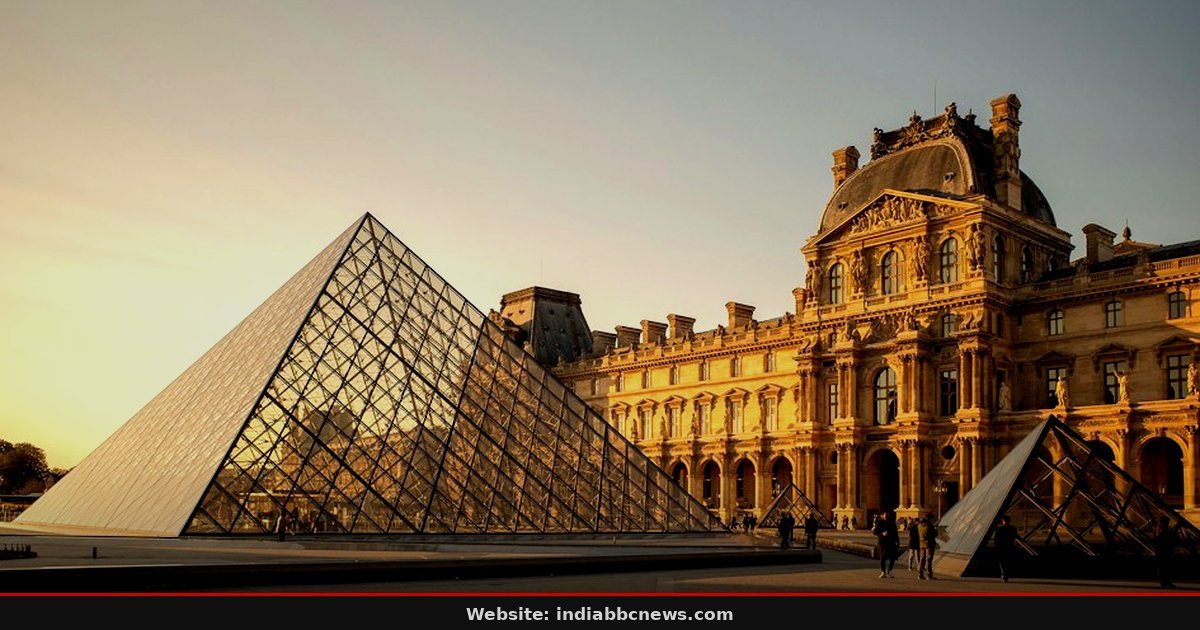
Paris is holding its breath. The Louvre, the Musée d’Orsay, and the Picasso Museum are all shut, their gates barred against the chaos that spilled out of the streets last weekend. There’s a partial curfew in effect until Monday, covering the Place de la République and other key squares. For now, the blood is drying, but the anger isn’t going anywhere. It’s just waiting for the next spark. One coffee costs €6.50 now. That’s the number people can’t get over.
The Toulouse Incident: What We Know So Far
Police in Toulouse confirmed that a “serious hand injury” was treated by emergency services during crowd dispersal in the Arènes district. They haven’t specified what caused it yet. The judicial authorities are launching an investigation, a phrase that sounds official but doesn’t really answer the question anyone is asking. Did a stun grenade spark go wrong? Did a baton strike too hard? A medic speaking to Le Figaro said the fingers were “torn off” after an explosion with unclear details. It’s a terrifying ambiguity. Nobody in the room at the local hospital looked convinced that the initial police statement would satisfy the families involved. The math doesn’t quite work out when you compare the scale of the force deployed with the severity of the injury reported.
And yet, the protests continue. In Lyon, tear gas hung low in the air near the university, stinging eyes and burning throats. Officers used water cannons on masked demonstrators who were picking up gas grenades and throwing them back. It’s a game of cat and mouse that keeps getting uglier. The energy in the streets feels different this week. Last week was a storm; this week feels like a fever. It’s tired, but it’s hot.
70,000 Officers vs. 35,000 Protesters
The government deployed an army. 70,000 officers are on the streets across France today. Helicopters circle low. Armoured vehicles rumble through avenues that usually smell of falafel and rain. It’s a spectacle. It’s also a show of force that many see as the real problem. Last week, 60,000 people were in the streets at this time. Today, the number is down to 35,000. That’s a drop, but not a defeat.
Olivier Bourde, the deputy director for public order in Paris, told reporters the situation is “pretty much under control,” aside from attempts to block the periphery ring road. He’s trying to maintain order. He’s failing to maintain calm. The presence of riot police on the Rue du Général Niessel is enough to turn a peaceful march into a retreat. Protesters are being funneled, pushed, and shoved. It’s not what the leaders promised. It’s what the police know works. Is it sustainable? Probably not. But it’s what’s here, now.
The Far Left Takes Control of the Narrative
While the police manage the streets, Jean-Luc Mélenchon is managing the story. The leader of France Insoumise called the Paris march a “total victory for the social movement.” He’s winning on the optics, even if the numbers are lower. He’s blaming the police prefect and Prime Minister Lecornu for the disorder, calling their provocations a total failure. His supporters are shouting it from rooftops. They’ve got the microphone. They’ve got the anger. The government is reacting, not leading.
It’s a dangerous dynamic. When the opposition frames the police as the enemy, every clash helps their cause. The cost of living crisis is real. Schools are crumbling. Wages are stagnant. But the narrative is now about state violence versus citizen resistance. That’s a harder sell than it sounds. The public is tired of both sides. They just want to eat without calculating their monthly deficit. They want to walk home at night without checking the news for curfew updates. It’s a basic need. It feels broken.
What Happens Next?
The curfew lifts Monday. That’s the line in the sand. If the streets clear, the government will claim victory. If they don’t, the deployment will likely expand. The Culture Ministry’s decision to close the Louvre is symbolic. It protects the art, but it signals a surrender of public space. We will see the first judicial hearing on the Toulouse incident within 48 hours. Until then, the story belongs to the medics and the masked figures in the alleyways. The world is watching. France is bleeding. We’ll update as the dust settles. Or doesn’t.
Frequently Asked Questions
Are the major museums in Paris closed?
Yes. The Louvre, the Musée d’Orsay, the Picasso Museum, and the Grand Palais are all closed to the public as a precautionary measure due to the ongoing unrest and partial curfew in central Paris.
How many people were protesting today?
Police figures suggest around 35,000 demonstrators were on the streets at 15:00 BST today, which is significantly lower than the 60,000 recorded at the same time last week, though independent counts vary.
Source: Daily Mirror UK
This article was compiled by the IndiaBBCNews editorial system from verified international news sources. Facts have been independently reviewed. Original reporting: Daily Mirror UK.

