

OpenAI just bought Orchestra Bio. The deal isn’t about code; it’s about biology. The tech giant is absorbing the startup’s entire team and technology stack to accelerate its work on Rosalind, its dedicated AI model for life sciences.
This move signals a hard pivot. OpenAI isn’t just building chatbots anymore. It wants to be the engine behind the next wave of drug discovery and genomic research, moving beyond text to tangible, physical science.
Integrating the Lab
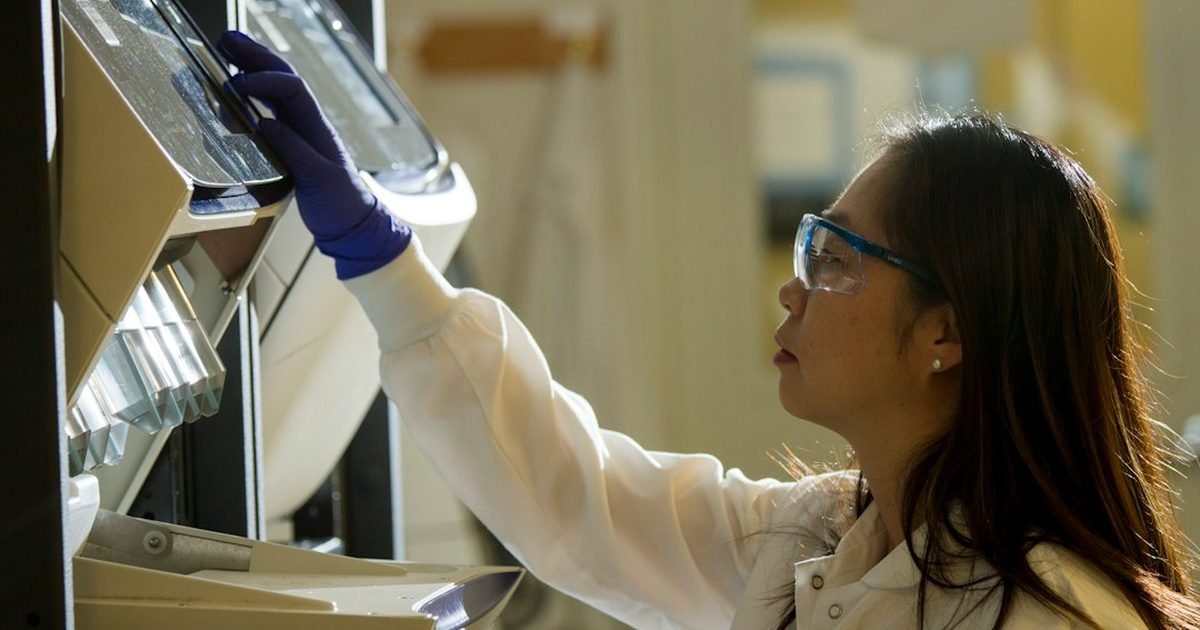
The acquisition brings Orchestra’s specialized tools directly into OpenAI’s ecosystem. Specifically, the company is merging this tech with Rosalind Workbench, a new harness designed to help researchers plan complex experiments and analyze the resulting data. It’s less of a chat interface and more of a digital lab assistant. One source close to the deal described the integration as “the missing piece” for making AI genuinely useful in a wet lab environment. The goal is to cut down the time between hypothesis and validation.
Beyond the Chatbot
OpenAI has been quiet on its biotech ambitions until now. By owning the infrastructure, they control the pipeline. This isn’t just a software update; it’s a strategic bet that AI will drive the next major breakthroughs in medicine. The company didn’t release a specific acquisition price, but the talent transfer suggests a premium valuation. For researchers, this means a more powerful toolset arriving sooner than expected. For competitors, it’s a warning shot. The race to automate scientific discovery just got faster, and OpenAI is no longer just watching from the sidelines. They’re in the lab.
Source: TechCrunch
This article was compiled by the IndiaBBCNews editorial system from verified international news sources. Facts have been independently reviewed. Original reporting: TechCrunch.

