

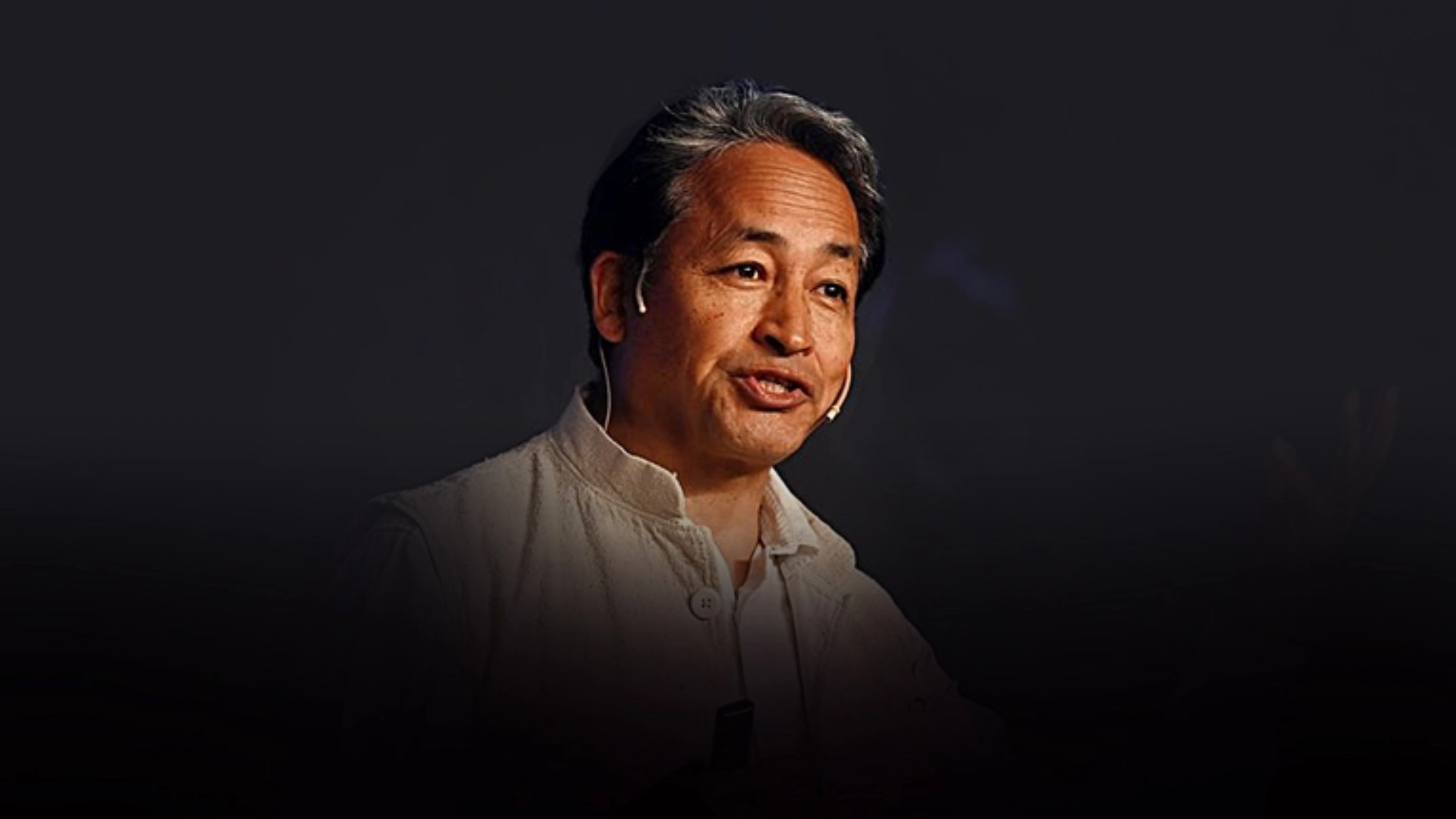
The prospect that environmental activist and education reformer Sonam Wangchuk may participate in the Cockroach Janta Party’s planned “peaceful” rally on June 6 has created a great deal of curiosity in political and social circles in India. Wangchuk, who gained fame after inspiring the character “Rancho” in the Bollywood blockbuster 3 Idiots, has become one of the country’s most recognizable voices on environmental sustainability, educational innovation and the preservation of Ladakh’s unique ecological and cultural identity.
The conversation on the June 6 demonstration has picked up steam, and doubts are being posed if Wangchuk would join the bandwagon. His involvement could also draw national attention and further accentuate the issues the organizers are trying to bring to light. There may not be official confirmation yet, but the speculation alone is testament to the sway Wangchuk has achieved through years of activism and public involvement.
Sonam Wangchuk: Who is he and why does his support matter?
Sonam Wangchuk is widely known for his pioneering work in education and climate innovation. The Ladakh-based engineer and reformer has spent a large part of his career working on sustainable solutions for communities in difficult terrains. His creative endeavors like the famous Ice Stupa project have brought him international prominence and made him a much regarded environmentalist.
In recent years, Wangchuk has been increasingly appearing in public forums on issues of governance, environmental protection and regional development. His activities on constitutional guarantees and ecological preservation in Ladakh have received considerable support from locals, students, activists and policy professionals.
Because of his standing as an independent and reputable public personality, his connection with any political or social movement tends to attract considerable media attention. If Wangchuk decides to participate in the June 6 protest, the event could become more visible within the country and outside.
Making sense of the June 6 “Peaceful” Protest
The Cockroach Janta Party has called for a peaceful demonstration on June 6, saying it will be a platform to raise issues about governance, public accountability and citizen participation in democratic processes. Organisers stressed the protest will be non-violent and focused on constructive engagement.
In recent years nonviolent protests have been a significant force in changing public conversation across India. People from all walks of life have been using rallies, marches and public meetings more and more to voice their concerns on social, environmental and political issues. Such incidents typically become part of larger conversations about policy change and government accountability.
The June 6 demonstration seems to follow this tradition, attempting to bring together people and groups who want to draw attention to topics they believe need more public attention. A big question mark hanging over the gathering is whether it will manage to rope in prominent voices like Sonam Wangchuk.
Why is the protest against Sonam Wangchuk?
The idea that Wangchuk may be involved is based on his recent record of public advocacy. He has consistently advocated for peaceful and democratic methods of expressing concerns and engaging with policymakers. His previous campaigns have often included non-violent protests, awareness-raising campaigns and positive dialogue.
Observers say the themes of the June 6 protest may coincide with some of the larger principles that Wangchuk has stood for in his career, such as transparency, sustainability and engagement of citizens. This has led some supporters and commentators to speculate he might be supportive of or attend the event.
But being supportive of one topic doesn’t mean you’re at every rally for that cause. Before choosing whether to participate directly, public figures often make an assessment of the goals, organizers and strategies of a movement. Until an official statement is made, any reports about Wangchuk’s participation remain speculative.
The ‘Rancho’ Legacy Outside Bollywood
Millions of Indians know Sonam Wangchuk as the real-life inspiration for the character Rancho in 3 Idiots, but his impact stretches far beyond the movies. The film exposed audiences to ideas around creativity, innovation and educational reform, subjects that closely align with Wangchuk’s real-world work.
Over the years he has become a symbol of independent thinking and bottom-up innovation. His work to transform education in remote Himalayan regions has inspired educators and policymakers nationwide. His environmental projects are also similar in the sense of how local communities can solve global issues like climate change with innovative solutions.
And this reputation has made Wangchuk a trusted figure among many young Indians. When he talks about public issues, his opinions are often given a lot of attention because they are generally seen as based on principles rather than political loyalties.
Public Reaction & Social Media Buzz
Social media platforms have played a major role in amplifying discussions about the June 6 protest. Supporters of the movement have expressed hope that Sonam Wangchuk will join the demonstration, arguing that his presence would bring credibility and national visibility to the cause.
At the same time, others have cautioned against drawing conclusions before any official announcement. Social media speculation frequently spreads faster than verified information, making it important for citizens to rely on credible sources when evaluating reports about public figures and political events.
The growing online conversation demonstrates Wangchuk’s influence in contemporary India. Few activists command the level of public trust and attention that he has earned over the years. This explains why even the possibility of his participation has become a major topic of discussion.
The Importance of Peaceful Democratic Expression
Regardless of whether Sonam Wangchuk attends the June 6 protest, the broader conversation highlights the role of peaceful democratic expression in India. The country’s democratic framework allows citizens to voice concerns through lawful and non-violent means, including public demonstrations, petitions, and civic campaigns.
Peaceful protests often serve as an important mechanism for bringing overlooked issues into public view. They create opportunities for dialogue between citizens, activists, and policymakers while encouraging broader participation in democratic processes.
Many public figures, including Wangchuk, have repeatedly emphasized the importance of maintaining peaceful and constructive engagement. This approach helps ensure that discussions remain focused on solutions rather than confrontation.
Could Wangchuk’s Participation Influence the Movement?
If Sonam Wangchuk decides to join the protest, his involvement could significantly impact public perception of the event. His reputation for advocating environmental protection, educational reform, and sustainable development may attract a wider audience to the movement’s message.
Media coverage would likely increase, and the issues highlighted during the protest could receive greater national attention. Policymakers and public institutions might also face increased pressure to respond to concerns raised by participants.
On the other hand, Wangchuk has often preferred maintaining independence from partisan politics. This suggests that any decision regarding participation would likely be guided by his assessment of the protest’s objectives rather than political considerations.
Looking Ahead to June 6
As the date of the protest approaches, attention will remain focused on whether Sonam Wangchuk chooses to participate. Organizers continue to prepare for the demonstration, while supporters and observers await further developments.
The event has already succeeded in generating discussion about civic engagement, public accountability, and the role of influential voices in social movements. Whether or not Wangchuk ultimately attends, the conversation surrounding his potential involvement underscores the impact he continues to have on public discourse in India.
Conclusion
The question of whether ‘Rancho’ Sonam Wangchuk will join the Cockroach Janta Party’s peaceful protest on June 6 remains unanswered for now. However, the widespread interest surrounding the possibility reflects his unique position as one of India’s most respected activists and innovators. His commitment to environmental sustainability, educational reform, and democratic engagement has earned him a significant following across the country.
If he participates, the protest could gain considerable visibility and influence. If he chooses not to attend, the event will still serve as an example of citizens exercising their democratic right to peaceful expression. Ultimately, the focus remains not only on Wangchuk’s decision but also on the larger issues being discussed and the importance of constructive public dialogue in a vibrant democracy like India.