


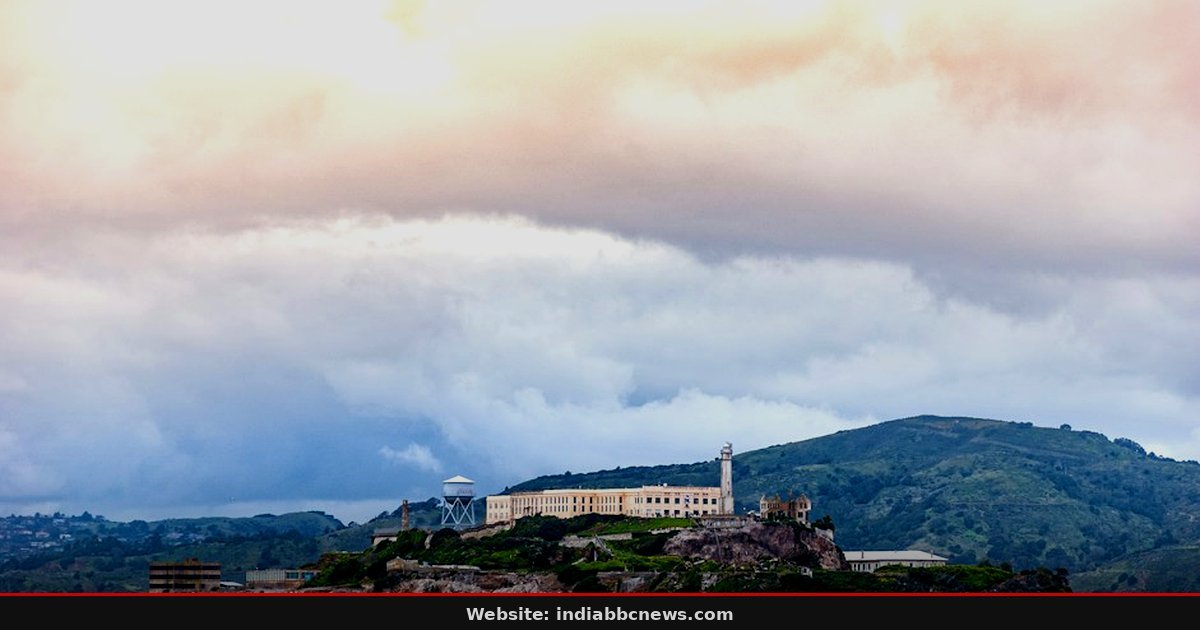
Smoke Over Qeshm: US Bombs Iranian Island Days Before Midterms
The sky over Qeshm Island turned orange before dawn on Monday. Explosions ripped through the coastline as US forces struck the island in the Strait of Hormuz, a move that sent shockwaves through global markets and diplomatic circles alike. US officials told CBS News that the operation was “limited and defensive.” They claimed the strikes were a direct response to the Islamic Revolutionary Guard Corps firing on a US aircraft. Iranian state media reported massive blasts, but the US military stayed silent on the specifics. The timing was undeniably strange, landing just days before a critical election.
Limited Strikes, Loud Implications
This isn’t the first time Washington has used military action to shape domestic politics. The Iran conflict began in February after joint US-Israeli attacks. Now, with polls slipping, the White House is sending a message of strength. But is bombing an island enough to scare off the enemy?
That’s a harder sell than it sounds. The fog of war remains thick, and clarity is scarce.
Trump’s Race Against the Clock
President Donald Trump told reporters he was in “no rush” to escalate further. He insisted that Iran was already “crippled financially” and that its people were tired. Yet, in an interview with Fox News, he hinted at targeting “Pickaxe Mountain,” a key underground nuclear site. He called it a minor task that could be done in an hour. Critics see this as brinkmanship.
Pressure is mounting within his own party to end the war. Polling numbers are down, and the base is restless. One way or another, the administration needs a win. But will a limited strike satisfy the hawks?
Probably not. The tension in the room was palpable, even from a distance. Nobody in the room looked convinced that this was the end of the story. It feels like the middle act, not the finale.
Israel Pushes for More
Benjamin Netanyahu has been calling Trump since the weekend, the Associated Press reports. The Israeli Prime Minister is pushing for another wave of strikes after the midterms. Netanyahu sees the current truce as fragile and dangerous. He wants to break Iran’s military capabilities before they recover.
Trump, however, has publicly denied this plan. The two leaders are not always on the same page.
The relationship between Washington and Jerusalem is complex. Israel often acts unilaterally, forcing the US to respond. This time, the ball is in the US court. Netanyahu’s pressure adds a layer of complication.
It makes a clean exit from the conflict harder. The diplomatic handrail is slipping. And that’s a problem for everyone involved in the region.
The Strait That Connects Us
The Strait of Hormuz is more than a body of water; it’s a global lifeline. A fifth of the world’s oil and gas passes through here. Since the war began, the strait has been effectively closed. Iranian missiles and drones have targeted commercial vessels.
The US has had to send warships to protect tankers. The disruption has spiked energy prices worldwide.
Iran wants control over this waterway. They refuse to give up their leverage. The June agreement to reopen the strait collapsed quickly. Now, mediators like Qatar and Pakistan are trying to save the talks.
They are exchanging ideas in real-time. Can these proposals work? It’s a tall order. The stakes are too high for a simple deal.
The water is cold, and the current is strong. For India, the closure of the Strait of Hormuz is a direct threat to economic stability. India imports a massive chunk of its crude oil from the Middle East. Disruptions here send tanker rates soaring. The rupee bears the brunt of global oil price volatility.
What This Means for India
This isn’t just a geopolitical issue; it hits the pump price at every fuel station in Mumbai and Delhi. The cost of living rises, and pockets are lighter.
New Delhi has been quietly engaging with both sides to keep shipping lanes open. Indian ships were among the first targeted earlier in the conflict. The government has urged its citizens to avoid the region. This latest strike complicates the picture.
Exporters of Indian goods via sea routes face new delays and insurance hikes. The impact on inflation is real and immediate. India cannot afford instability in this corridor. It’s a matter of national security, pure and simple.
Frequently Asked Questions
Why did the US strike Qeshm Island?
US officials say the strikes were a response to Iranian IRGC forces firing on a US aircraft. They describe the action as limited and defensive. The goal was to deter further aggression without starting a full-scale war.
What is the status of the US midterm elections?
The elections are scheduled for Tuesday. The strikes happened on Monday, directly impacting the political narrative. Candidates on both sides are reacting to the military escalation. The outcome may influence future foreign policy decisions.
How does the Strait of Hormuz affect India?
India relies on the strait for a significant portion of its oil imports. Blockades or attacks increase shipping costs and disrupt supply chains. This leads to higher fuel prices and increased inflation for Indian consumers. It is a critical economic vulnerability.
Is the war ending or starting?
Diplomatic efforts are ongoing via Qatari and Pakistani mediators. Both sides are negotiating terms for a ceasefire and reopening the strait. However, the latest strikes suggest that tensions remain extremely high. The situation is fluid and unpredictable.
Who are the mediators in the Iran-US talks?
Qatar and Pakistan are the primary mediators. They are facilitating real-time exchanges of proposals between the US and Iran. Their goal is to prevent a return to all-out war. Their success depends on the willingness of both parties to compromise.
Source: BBC World
Source: BBC World

