


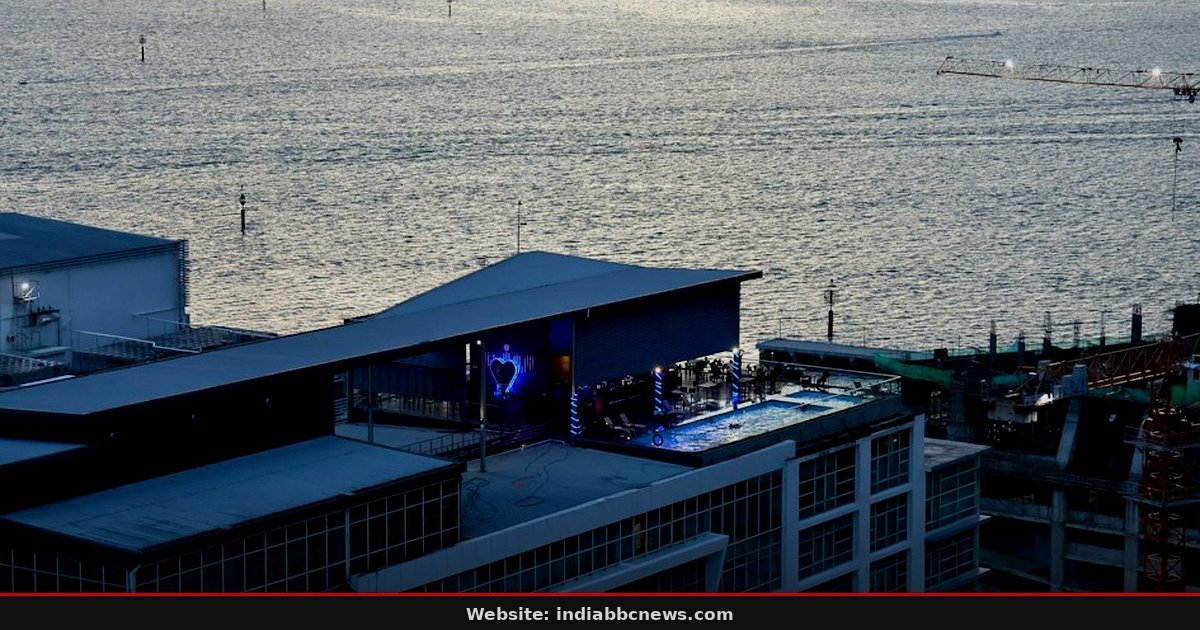
A single spark. That’s all it took to turn a leisurely Friday evening in Bengaluru into a tragedy that has the hospitality industry shaking. Two men died in the pool of the Conrad hotel, and the cause was almost certainly electricity.
Their names are Alexander Maximilian Theiss and Juraj Horvat. They were foreign nationals, one a Lufthansa crew member resting between flights and the other a Slovakian tourist on holiday. They were swimming on the third-floor pool deck at 5:15 p.m. on October 30. The water became an unsecured conductor.
The current ran through their bodies before anyone could pull them out. It’s a grim, mechanical failure that happened in a building that should have been the safest place in the city.
The Moment the Pool Became a Weapon
Witnesses on the deck described a chaotic scene that unfolded in seconds. A third man, an American named Mathew Desantis, was also in the water. He tried to help but was reportedly also affected by the current, adding to the confusion. The pool is not a simple hole in the ground; it’s a complex system of pumps, lights, ladders, and heaters.
If one wire frays or if the grounding fails, the entire structure becomes a trap. There’s no drama in the physics of it, just cold, lethal efficiency. The water doesn’t care who you are or how much your room costs. It just carries the charge.
Hotel staff rushed to the scene, but the first few minutes were critical. Every second without CPR counts. Paramedics arrived quickly, but the damage from the electrical shock had already been done internally. The other two men were pulled from the water.
Theiss and Horvat didn’t make it. The incident happened in a five-star property, a place where every system is supposed to be monitored and maintained. That’s a hard pill to swallow for anyone who trusts these brands. You pay a premium for safety, and you get compromised infrastructure instead.
Why Five-Star Hotels Are Not Always Safe Hides
We assume luxury equals safety. It’s a dangerous assumption that the industry profits from. High-end hotels hire expensive contractors, use imported fixtures, and market their amenities aggressively. But maintenance is often outsourced, and the daily checks can become bureaucratic rather than practical.
Does the technician actually test the residual current device, or does he just tick a box? That’s a question that now needs answering. The Conrad is part of the Hilton Group, a global giant with strict protocols. Yet, apparently, the local execution fell short.
This isn’t just a local hotel failure; it’s a supply chain of trust breaking down at the most vulnerable point. The gap between the global brand standard and the actual ground-level reality is where people die.
Electrical faults in pools are rare but devastating because they are invisible. You can’t see the voltage in the water. You can’t smell the burning insulation until it’s too late. Regular pools in residential complexes face the same risks, but the consequences are often quieter.
In a hotel, the stakes are higher. There are staff, guests, and a public image to protect. The pressure to hide minor issues to avoid bad reviews can lead to major neglect. This incident is a stark reminder that a star rating is a marketing tool, not a safety certificate.
We need to stop treating these labels as guarantees. The system failed, and the proof is in the two coffins being packed for Frankfurt and Bratislava. That’s all that matters now.
The Ghost in the Machine: Electrical Safety Standards in India
India has had a long, troubled history with electrical safety. The 2004 guidelines from the Bureau of Indian Standards exist, but enforcement is patchy at best. Many buildings, even new ones, have wiring that doesn’t meet current codes. Think about the old apartment blocks in Mumbai or Delhi.
The wiring is ancient, often copper that has oxidized. Now imagine that same laxity in a brand-new, international hotel. It shouldn’t happen, but the labor cost in India is low enough to cut corners on maintenance. A frayed wire in a UK hotel might get replaced immediately.
Here, it might get taped and forgotten for a month. That’s the reality of the infrastructure gap. We build the glass towers, but we neglect the nervous system inside them. The tragedy in Bengaluru is not an outlier; it’s a predictable outcome of a system that prioritizes speed over substance.
The current killed them because the safety devices didn’t trip in time. Or maybe they tripped too late. We don’t know yet. But the silence of that breaker is deafening.
Experts in electrical engineering often warn that pool water is the worst possible medium for electrical faults. It’s a perfect conductor. A tiny leak from a submerged light fixture can raise the voltage in the entire pool to lethal levels. The standard fix is a Ground Fault Circuit Interrupter, or GFCI.
It should cut power in less than a second if it detects a leak. If Theiss and Horvat died, that device either failed or wasn’t installed. It’s a binary situation. Either the hardware was broken, or the software of human vigilance failed.
Both are inexcusable. The question isn’t just “how did this happen?” It’s “why hasn’t this been fixed?” Every hotel in the country that has a pool is now a potential crime scene unless they audit their systems today. Not next week. Today.
The pressure is on the Karnataka government to act before another family gets this phone call. This story hits Indian readers hard because it happens here. We are becoming a global travel hub, and our safety record is now in the crosshairs. If a five-star hotel in Bengaluru can electrocute a guest, what about the boutique resorts in Kerala or the business hotels in Gurgaon? The fear is contagion.
What This Means for India’s Hospitality and Travel Sector
Travelers, both domestic and international, are risk-aware now. One video of a shocked body in a pool can tank a destination’s appeal for months. The Indian government spends billions on “Swachh Bharat” and infrastructure, but electrical safety is an invisible metric. It’s not visible on the board of a hotel lobby.
It’s not in the brochure. But it’s the thing that keeps the lights on, literally and figuratively. If this leads to stricter inspections, it’s a win. If it’s buried in a committee report, it’s a failure.
The industry needs to know that the days of “look but don’t touch” safety are over. The global market is watching. And with that comes the potential for a significant drop in premium bookings if the narrative shifts to “unsafe.” That’s a real economic hit. We can’t afford to lose the trust of our own citizens, let alone the international tourists who are coming to experience India.
This incident is a wake-up call, plain and simple. It’s not just about three people; it’s about the integrity of the entire hospitality sector. We need to fix the wiring, literally and metaphorically. The cost of inaction is now too high to ignore.
What Happens Next: The Investigation and the Future
The police have registered a case and are investigating the cause of death. Forensic teams will examine the pool equipment. The hotel management will likely issue a statement expressing “shock” and “grief.” These are standard words. They don’t explain why the wires were bad.
The Karnataka Electricity Board may get involved. There will be a probe. That’s the procedure. But what comes after is what matters.
Will there be a nationwide audit of swimming pools in hotels? Will the government mandate real-time monitoring of electrical loads in high-risk areas? We don’t know. History suggests the heat will fade in a week.
The media will move on. The families will get compensation. And the next frayed wire will stay in place. We need to break that cycle.
The next step should be a public, transparent inquiry. Not a closed-door meeting. The public has a right to know if their money buys safety or just a better view. The deadline for answers is now.
Not next quarter. Now. The silence of the dead speaks louder than any official statement. We have to listen to it.
And we have to act while the memory is still fresh. Because the next time, it could be your neighbor, your friend, or you. Two foreign nationals died: Alexander Maximilian Theiss, a 57-year-old German Lufthansa crew member, and Juraj Horvat, a 45-year-old Slovakian national on holiday. An American national, Mathew Desantis, was also in the pool and survived.
Frequently Asked Questions
Who died in the Conrad hotel pool incident?
What was the suspected cause of death?
The deaths are suspected to be caused by electrocution in the swimming pool. The exact electrical fault is under investigation by forensic teams and the Karnataka police. Early reports point to a failure in the electrical safety systems of the pool equipment.
How does this affect travel safety in India?
This incident raises serious concerns about electrical safety standards in Indian hotels, particularly those with amenities like pools. It may lead to stricter inspections and a greater focus on maintaining electrical infrastructure in the hospitality sector to protect guests and staff. Yes, the police have registered a case. The hotel management could face legal liability for negligence if it is found that safety protocols were not followed or that maintenance was inadequate. Civil suits from the families are also likely.
Will the hotel face legal action?
Should I be worried about swimming in hotel pools in India?
While most hotel pools are safe, this incident highlights the risk of electrical faults. It’s advisable to be aware of your surroundings and report any unusual sensations or equipment issues to hotel staff immediately. Trust your instincts and don’t hesitate to exit the water if something feels wrong.
Source: The Hindu
Source: The Hindu

