


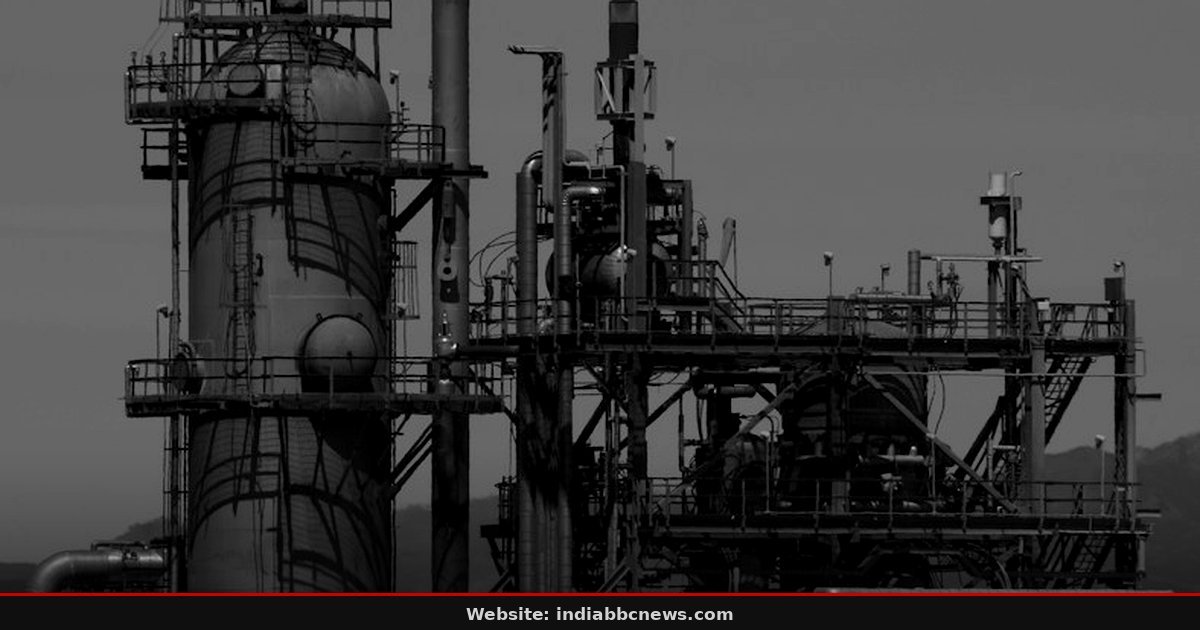
Kstovo Fire: 100 Drones, One Refinery, and the Rising Panic in Moscow
One hundred and seven drones. That is the number governor Gleb Nikitin posted on Telegram before the morning coffee had even cooled in the Nizhny Novgorod chancellery. The fire at the Kstovo oil refinery was already visible from 30 kilometers away, a jagged orange scar cutting through the overcast sky, turning the black smoke into a thick, oily column that smelled of sulfur and burnt plastic. It wasn’t just a fire. It was a demonstration of range, a message sent deep into the Russian interior to say that the war has moved, and it isn’t stopping at the border.
The Smoke Over Nizhny Novgorod
The attack happened on a Sunday, a day when most analysts were expecting quiet. Instead, the sky over the Volga region lit up with flak trails and the buzzing hum of UAVs that Ukrainian media say number in the hundreds. Nikitin called it a “massive” assault, a word he chose carefully because it implies scale beyond a single skirmish. The NORSI refinery, one of the largest in Russia, took the brunt of the impact, with local residents describing explosions that rattled windows in adjacent neighborhoods.
The facility has been damaged significantly, though the exact production loss isn’t yet clear. The Russian investigation launched immediately, with charges of terrorism leveled against Kyiv for hitting civilian infrastructure. It’s a standard script, one we’ve seen repeated since the first missile struck Kyiv in 2022, yet it lands differently each time because the stakes keep rising. Nikitin insisted that petrol stations in the region would not run dry, a promise that feels increasingly thin given the geographic proximity of the plant to major distribution hubs.
The drive to Moscow is just over 200 kilometers by road, a logistical artery that now feels like a chokepoint. Nobody in the control room in Nizhny Novgorod looked convinced that the flow would normalize by Monday afternoon. That’s a harder sell than it sounds.
Why Russia Called It Terrorism
Opening a criminal case on terrorism charges is a legal move, not just a rhetorical one. It allows the FSB to seize assets, silence dissent, and frame the narrative for domestic audiences who are increasingly tired of the blackouts and shortages. By labeling it terrorism, Moscow bypasses the nuances of international law that might protect Ukrainian units operating under the laws of war. It simplifies a complex military conflict into a binary of good versus evil, essential for a population that isn’t being told the full truth about the cost.
The prosecutor’s office will likely wrap this up quickly, with trials serving as spectacles rather than justice. But the legal framing masks the operational reality, which is that Ukraine is hitting deeper and harder than ever before. This isn’t the first time a refinery has been targeted, but the precision and the volume of drones used here suggest a shift in strategy. Experts in aerial warfare often note that refineries are soft targets with hard hearts; they are easy to hit but slow to repair.
The damage to storage tanks and distillation units can take months to fix, creating a long-tail effect on Russia’s export capacity. We’ve seen this pattern before in 2023 when the Chornomorsk terminal in Odesa was struck, causing a ripple effect in global freight rates. This time, the ripple is heading inland, toward the heart of Russia’s industrial base.
Impact on Indian Markets and Policy
For Indian traders, this isn’t just a headlines; it’s a line item on the balance sheet. India has become the largest importer of Russian crude, buying over 1.5 million barrels per day at discounted prices since 2022. The Kstovo plant processes a significant portion of the Urals crude that feeds into Rupee-settled trade deals, and any production downgrade here sends shockwaves through the hedging books of Indian refiners. If supply from the Volga region dips, the discount on Russian oil might widen, but the premium on logistics and insurance will spike, eating into those margins.
The Ministry of Commerce in New Delhi is likely keeping a close eye on this, coordinating with the Oil Ministry to ensure that tankers already en route aren’t stranded or subject to secondary sanctions. The diplomatic angle is sharper. While the US and Turkey discuss grain ceasefires, India has positioned itself as a neutral broker, yet every strike hits the delicate balance of its partnership with Moscow. Indian diplomats in New Delhi will be fielding questions from Washington about why they continue to fuel Russian war chests indirectly through refined petroleum exports.
It’s a tightrope walk that gets narrower with every drone attack. The Indian Refiners Association is reportedly meeting this week to assess exposure, with several firms already looking to diversify their intake to West African and South American barrels. The cost will be higher, but the risk of being caught in a sanctions crossfire is a price no CFO wants to pay. It’s a change from the easy money of 2023, when the spread between Brent and Urals was at its widest.
The Grain Deal Dead End?
Secretary of State Marco Rubio spoke on Saturday, warning that grain and energy shortages are “threatening the world.” He mentioned proposals from Turkey and India to restart Black Sea shipments, a lifeline for nations in Africa and South Asia that rely on cheap Ukrainian wheat. But the timing of the Kstovo attack undercuts any optimistic talk about a temporary ceasefire. If Russia is feeling confident enough to strike deep inside its own territory, why would it freeze frontlines or agree to maritime corridors? The signal from Moscow is one of pressure, not pause.
The US is pushing for a trilateral format with Russia and Ukraine, ignoring European concerns for now. This exclusion stings in Berlin and Paris, but it simplifies the negotiation table for Trump, who wants a quick win before the midterms. The grain deal hinges on Russia’s goodwill, which is currently priced at zero given the refinery fires. Farmers in the US Midwest are also feeling the tension, with export futures volatile as buyers scramble for alternative sources.
It’s not just about bread in Cairo; it’s about the geopolitical leverage that food provides. If the Black Sea stays closed, the world eats the cost, and the poorest nations pay the most.
What Comes Next for the Frontlines
Kremlin aide Yuri Ushakov said Putin would take a call from Zelensky, a statement that was met with polite skepticism by Western intelligence officials. “He has never refused talks,” Ushakov claimed, ignoring the fact that the last direct communication between the two leaders was fraught with silence and symbolic gestures. The next round of talks, if they happen, will be held in a trilateral setting, a format designed to marginalize European allies who have poured billions into Kyiv. It’s a power play, one that acknowledges who writes the check and who writes the policy.
The intensity of strikes is high, with Zelensky noting that hundreds of thousands of Ukrainians are in the dark. Russia is exploiting the deficit of ballistic missile interceptors, a strategy that relies on attrition. The Oleshky evacuation, brokered Melania Trump and Pope Leo, is a rare moment of cooperation, but it’s symbolic more than strategic. It shows both sides want to look good in Washington, not necessarily to end the war.
The next 72 hours will tell us if the Oleshky deal is a template for broader de-escalation or just a PR stunt. The refinery fires suggest the latter, but the desire to stop the bleeding on both sides is a force that cannot be ignored indefinitely. History tells us that wars end not with a bang, but with a sigh, and a thousand small surrenders.
Frequently Asked Questions
How does the Kstovo refinery attack affect India?
Indian refiners face potential supply disruptions and higher logistics costs for Russian crude. Since India is a major buyer of Russian oil, any production hit in the Volga region forces a reassessment of sourcing strategies and increases exposure to sanctions risks. Russia uses terrorism charges to frame foreign military strikes as acts of war against civilians, bypassing international law protections. It serves to rally domestic support and legitimize stricter internal security measures.
Why did Russia open a terrorism case?
Is the Black Sea grain deal still possible?
The recent attacks complicate the deal, as Russia is showing little interest in ceasing fire. However, diplomatic channels between the US, Turkey, and India remain open, though progress is slow and dependent on broader peace negotiations. The Kremlin has proposed a trilateral format involving Russia, Ukraine, and the United States. European nations are largely excluded from the initial rounds, which has raised concerns in capitals like Berlin and Paris about their influence on the outcome.
Who is involved in the new peace talks?
Source: The Independent World

