


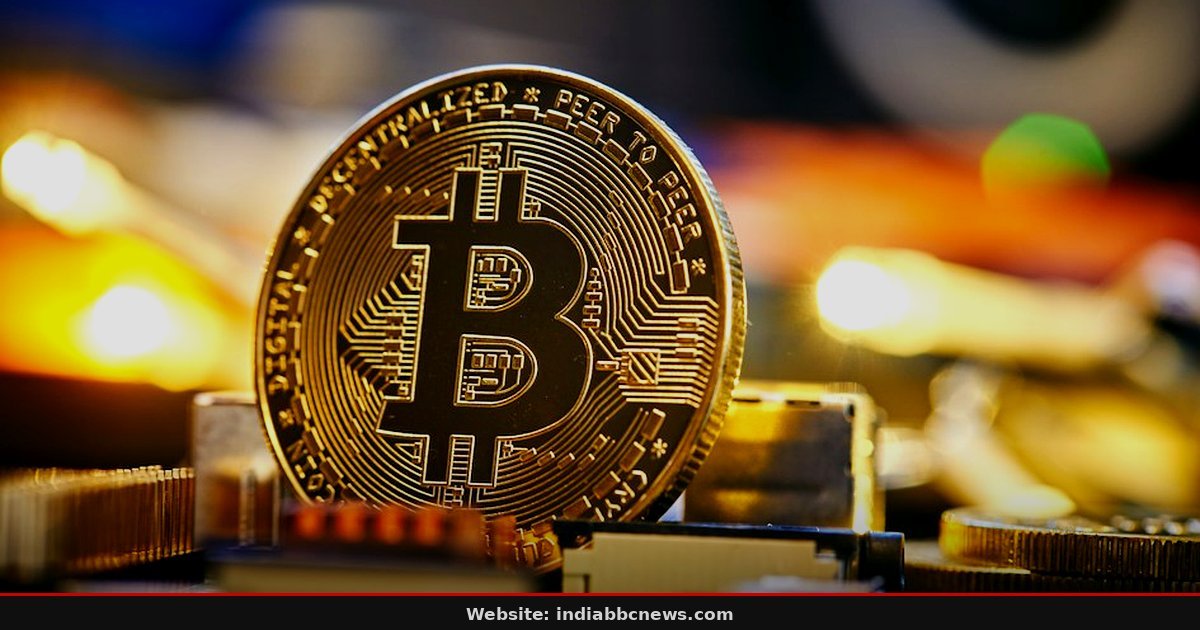
6.01 billion. That is the precise number CZ, the founder of Binance, typed into his Twitter feed at 4:10 AM on Monday, a timestamp that likely didn’t reach the West Coast until the sun was already up. The theft marks the largest single cryptocurrency heist in history, shattering records that had stood since 2022. For a company that prides itself on institutional-grade security, the breach of the multi-chain bridge was a catastrophic failure of trust.
It wasn’t just money; it was confidence. And right now, that currency is trading at a discount.
The Bridge That Broke
Security firms like PeckShield and SlowMist confirmed the exploit occurred on Binance‘s multi-chain bridge, a complex piece of infrastructure designed to move assets between different blockchains. Think of it as a digital customs checkpoint, except the guards fell asleep at the wheel. The hackers didn’t brute-force their way in; they manipulated a smart contract vulnerability, a logic error in the code that allowed them to mint and withdraw funds they did not own. This is the dreaded “rug pull” on the company’s own architecture, a scenario few engineers thought possible when the bridge was launched in late 2021.
The scale of the raid was immediate and brutal. Within minutes of the first unauthorized transaction, alerts erupted across monitoring dashboards worldwide. The funds were swept across multiple networks, including Ethereum, BSC, and Solana, in an attempt to obfuscate their origin. By the time Binance froze the affected accounts, the cats were long out of the bag.
The technical complexity required to pull this off suggests a state-sponsored group or a very well-funded syndicate, not a lone wolf script kiddie. That’s a harder sell than it sounds.
Binance Swallows the Bill
CZ’s response was fast, almost suspiciously so. He announced that Binance would cover the full loss using the company’s insurance fund and reserves, ensuring that no customer funds would be impacted. This is standard procedure for major exchanges, but the sheer size of the payout changes the dynamic entirely. We are talking about a sum that could fund a small nation’s GDP for a year, vanish into a black hole in a single afternoon. The promise of zero customer impact is a marketing line, not a technical guarantee, and regulators will be watching every centile.
There is a subtle shift in power here. By absorbing the loss internally, Binance avoids the PR nightmare of frozen customer accounts and legal battles over liability. But it also reveals how deep the pockets of this industry really are. Most tech companies would have filed for bankruptcy before the press conference ended.
Here, they just write it off as a cost of doing business. That’s a level of resilience that worries traditional financial regulators, who see this opacity as a systemic risk waiting to explode.
India’s Silent Exposure
For India, this story is not just foreign news; it is a direct hit to the heart of a growing retail market. Since the government introduced a 30% tax on crypto gains and a 1% TDS on transactions, billions of rupees have flowed toward compliant exchanges like WazirX and CoinDCX, but a significant shadow market remains. Indian traders have long relied on offshore giants like Binance for lower fees and higher liquidity, meaning a large chunk of the stolen $6 billion likely originated from Indian wallets. The legal gray area in which these users operate offers no recourse if the exchange collapses, making this a personal financial blow for thousands of retail investors who thought they were diversifying away from the sycophancy of traditional banking.
The Indian government, already wary of crypto after the RBI’s 2018 circular and subsequent backing, will likely use this event to tighten the noose. Expect new rules targeting P2P trading and stricter KYC (Know Your Customer) enforcement to arrive within the next quarter. The narrative in New Delhi isn’t about innovation; it’s about capital control. If Binance, the biggest player on Earth, looks fragile, the argument for banning or heavily restricting crypto becomes politically irresistible for politicians seeking quick wins. The irony is palpable: the more secure the industry tries to be, the more it looks like a scam to the average Indian taxpayer.
The Anatomy of a Digital Heist
We have seen this movie before, just with lower stakes. In 2014, Mt. Gox, the once-dominant Bitcoin exchange, lost 850,000 Bitcoins due to a security lapse, wiping out billions in today’s value. That crash triggered a global run on confidence and took years to settle in court.
This time, the infrastructure is more complex, the bridges more numerous, and the attackers more sophisticated. The bridge was not a wallet; it was a gateway. By breaching the gateway, the hackers didn’t steal coins from users; they stole the air in the room. This distinction matters because it implicates the platform’s code, not the users’ private keys.
Experts in blockchain security typically argue that “trustless” systems are inherently fragile because they rely on the flawless execution of code. A single line of faulty code, a misconfigured permission, or a social engineering hack against an admin can unravel the entire structure. We are betting the farm on mathematics, but we are operating in a world of human error. That never changes.
The bridge was supposed to be the link between isolated islands of value; instead, it became a bridge to disaster. And nobody in the room looked convinced when they first heard the alerts.
What Comes Next for Crypto Markets
The immediate fallout will be volatility. Bitcoin and Ethereum will likely see a sharp dip as panic sellers dump their holdings, fearing a contagion effect. However, history suggests these dips are buying opportunities for long-term investors who believe in the technology’s utility. The real risk is not the price drop; it is the regulatory backlash.
Governments will use this breach as evidence that crypto is inherently unsafe, leading to stricter licensing requirements and potentially blocking access to offshore exchanges. The days of wild west trading are numbered, and the guns are now pointed at the platform, not just the speculator.
For traditional banks, this is a win. They can point to this hack and say, “See? This is why you should stick with FDs and mutual funds.” That’s a powerful narrative, even if it’s slightly misleading. The banking sector has its own failures, but they are rare and usually well-capitalized.
Crypto failures are frequent and often opaque. The gap in trust will widen, and it’s a gap that will take a decade to close. The question is whether the industry can survive the winter that is coming, or if it will be buried under the weight of its own hubris.
Frequently Asked Questions
Will Binance compensate all affected users?
Yes, CZ stated that Binance will cover the full loss using its insurance fund. No customer funds are reported to be missing or frozen. The exchange is absorbing the $6 billion hit to protect its user base and maintain trust. This is a massive financial burden, but it prevents a run on the bank.
How did hackers steal $6 billion so quickly?
They exploited a vulnerability in Binance’s multi-chain bridge, a protocol that moves assets between different blockchains. By manipulating the smart contract code, they were able to extract funds without proper authorization. This type of exploit is rare but devastating because it bypasses traditional security checks. It’s a code failure, not a hack of the wallet itself.
Does this affect Indian crypto traders?
Indians using Binance may face temporary restrictions on withdrawals as the exchange forensics team investigates the breach. While the company promises full compensation, the uncertainty may cause short-term panic in the Indian market. Retail investors should monitor official announcements from both Binance and the Indian regulatory bodies for updates on fund accessibility.
Is this the biggest crypto hack ever?
Yes, at roughly $6 billion, it surpasses the Mt. Gox hack of 2014 and the Ronin Bridge hack of 2022. It is the single largest theft of digital assets in history. The scale of this event marks a turning point for the industry, highlighting the growing risks of cross-chain infrastructure. It signifies that no platform is immune from sophisticated cyberattacks.
What should investors do now?
Stay calm and avoid panic selling. Diversify your holdings and keep your funds in cold storage if possible. Watch for regulatory announcements in your country, as laws may tighten in response to this security failure. The long-term value proposition of blockchain technology remains intact, despite this outage. Trust the process, not the panic.
Source: NYT Business
Source: NYT Business

