

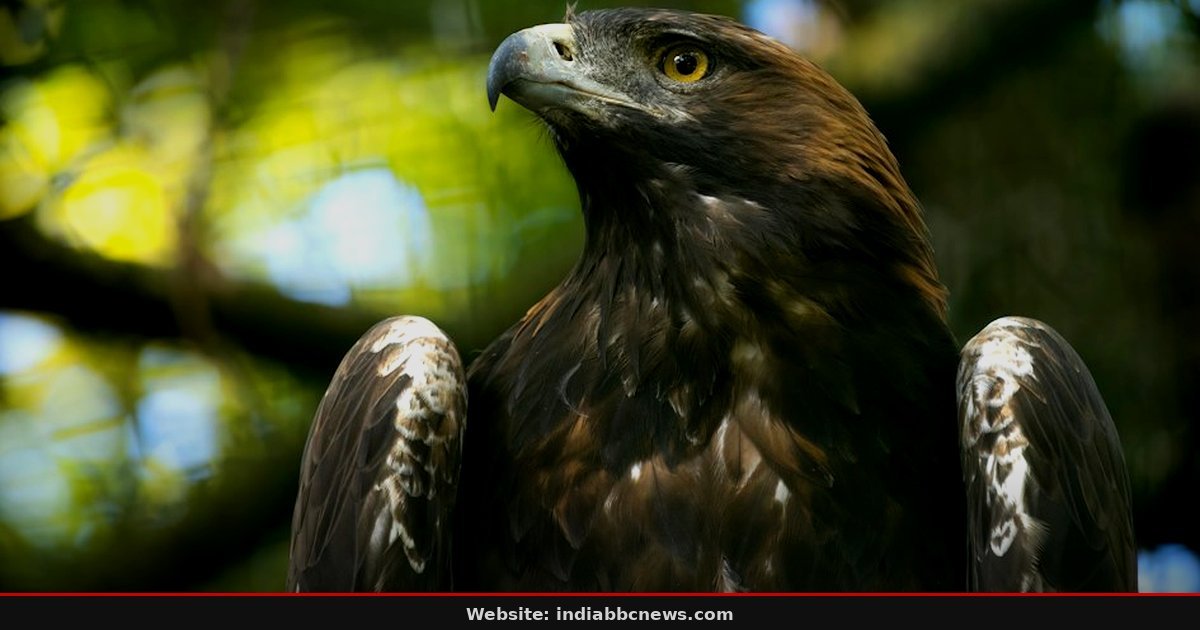
Beaky Junior flew. It didn’t just flap its wings and drop out of the sky like a bad pilot; it launched itself from a nest hidden in the rocky crags of the Moffat Hills and stayed aloft, beating the wind that usually tears the hair off any journalist standing there. For a species that has been systematically hunted out of southern Scotland for decades, this small, bearded bird is a headline that feels almost too good to be true. It is the first golden eagle chick to successfully fledge from a nest on a managed grouse moor, a fact that changes the entire calculus of what can happen in the wild.
The Paradox of the Grouse Moor
The math doesn’t quite work out. How does a predator survive on the very land where its kind have been shot, poisoned, or bullied off their perches for generations? The RSPB recently released data showing that 64.3% of all confirmed persecution incidents involving birds of prey in Scotland over the last 10 years happened on land managed for gamebird shooting. It is a grim statistic that hangs heavy over every estate manager and gamekeeper in the Highlands.
Yet, here we are. The numbers in southern Scotland have climbed from a handful of breeding pairs to a record level of over 50. That’s a harder sell than it sounds, but the birds are there. The presence of an eagle on a shooting moor suggests that the old assumption—that gamekeepers and eagles are natural enemies—is being rewritten in real-time.
There is a tension in the air, though. It’s not gone, not even close. The moor is still a working landscape, and the interests of a farmer or a ghillie are not always aligned with those of a conservationist. But the chick is alive, and it flew. That is the part of the story that refuses to be ignored.
Why This Specific Nest Matters
Dr Cat Barlow, who leads Restoring Upland Nature (Run), calls this a “hugely significant milestone,” a phrase that likely appears in too many press releases to be meaningful. But in this case, it feels earned. The project started in 2018 by moving birds from the Highlands to secret sites in the south. It was a gamble, a high-stakes bet on whether these birds would adapt to a landscape where they previously had no place.
Beaky Junior is one of five chicks fledged this year from translocated parents. That’s a success rate that surprises even the people running the project. The eagle didn’t just survive; it produced a chick on land that was hostile to its existence 5 years ago. The implication is profound: if they can do it here, they can do it almost anywhere in the uplands.
The location is secret, kept vague to protect the bird from those who might still see it as a threat. But the significance is loud. It proves that coexistence isn’t just a polite ideal; it is a biological reality that can be managed. The eagle is no longer an intruder; it is part of the ecosystem.
The Gamekeepers Who Changed Their Tune
And the most surprising part? The gamekeepers named the bird. They called it Beaky Junior, a nod to its mother, Beaky, and a sign that they see themselves as partners, not adversaries. It’s a cultural shift that took years of quiet conversations, failed attempts, and a few very tense meetings to achieve. The gamekeepers who spoke to us asked to remain anonymous to protect the nest site, but their voices are clear in their pride.
Mark Ewart, a regional coordinator for the Southern Ulans Moorlands Group, said that seeing gamekeepers celebrated for their role in the eagle project is “incredibly rewarding.” He noted that monitoring these birds is now part of their day-to-day work, not an extra task. It’s a shift in identity that is hard to measure but easy to feel when you see a keeper checking an eyrie with care instead of suspicion.
They’ve moved from being seen as the enemy to being the guardians. That’s a massive change in a community that has been fiercely defensive for centuries. The eagles are flourishing, and the people who used to fight them are now watching over them. It’s a story that shouldn’t be possible, but it is.
The Shadow of Persecution
Let’s not pretend the past is gone. The RSPB’s report is a stark reminder of how dangerous this work really is. In 2016, a golden eagle released in a conservation project was found dead with 17 pellets in its body. It’s a grotesque detail that never leaves your mind. These birds have to fly through a landscape that is still, in some parts, lethal.
But the tide is turning. The 182 persecution incidents recorded over 10 years are a chapter, not the whole book. The current numbers show that the population is resilient, even when parts of it are eliminated. The eagles are adapting, and the land is changing around them. It’s a fragile peace, but it is holding.
There’s a risk that this optimism could blind us to the ongoing threats. The moor is still managed for shooting, and the interests of the two sides can clash. But the fact that a chick fledged here is a powerful counter-argument to those who say it can’t be done. The evidence is in the sky, beating its wings toward independence.
What Comes Next for the Eagles
The next step is expansion. The project has been looking at taking roots in England, and the success in Scotland gives them leverage to push for that. It’s not just about numbers; it’s about creating a network of safe havens that can support a sustainable population across the border. The deadline for the next phase of monitoring is approaching, and the stakeholders are watching closely.
Michael Clarke, who chairs Run, said that people from “all walks of life” have helped the birds to thrive. He emphasized that they will continue to monitor the impact of the eagles on the area, working with farmers and the community. It’s a long game, and the finish line is still far away. But for the first time in a long time, the direction is clear.
The decision on whether to expand to England will likely be made in the next few months. The political will is there, and the public support is growing. It’s a rare moment where the science, the local knowledge, and the political reality all align. The eagle is flying, and someone is watching it go.
Frequently Asked Questions
Why is the location of the nest kept secret?
The location is hidden to protect the birds from illegal persecution. Given the history of shooting and poisoning in the region, revealing the nest site could put the chicks and their parents at grave risk. Security is a top priority for the project team.
Who is paying for this conservation effort?
The project is supported by a mix of public grants, private donors, and partnerships with landowners. Restoring Upland Nature coordinates the funding, which goes toward monitoring, translocation, and habitat management. It’s a collective investment in biodiversity.
Do gamekeepers still shoot eagles?
While illegal persecution still occurs, the vast majority of gamekeepers involved in this project are actively protecting the birds. The shift from threat to guardian is the core of the project’s success. Many keepers now monitor nests daily.
Is the eagle population in Scotland actually growing?
Yes, specifically in the southern regions where the translocation project is active. The number of breeding pairs has risen from a handful to over 50, hitting a record high. The data shows a clear trend of recovery in targeted areas.
Will this work for other bird species?
Experts believe the model of cooperation between land managers and conservationists could be applied to other species. The key is building trust and shared goals. If it works for eagles, it may work for jays, hawks, and other birds of prey.
Source: BBC Science
This article was compiled by the IndiaBBCNews editorial system from verified international news sources. Facts have been independently reviewed. Original reporting: BBC Science.

