


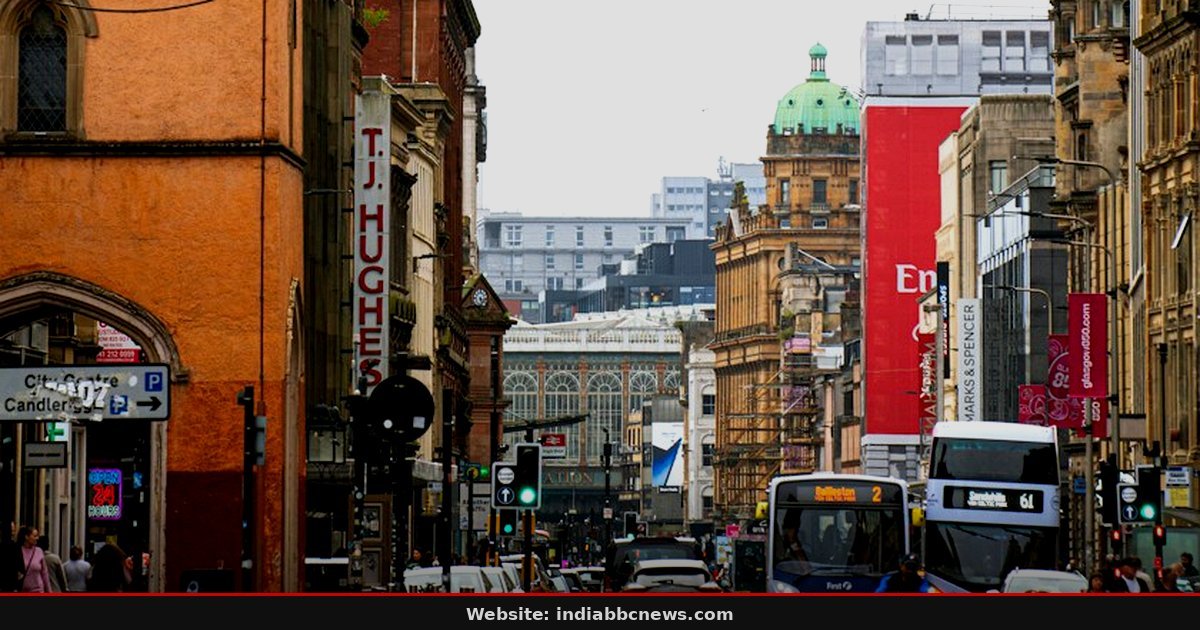
Michelle O’Neill says DUP has blocked her from PM meeting in Glasgow
Glasgow. Friday. The National Economic Council. It should have been a standard day of handshakes and budget chats. Instead, Northern Ireland’s First Minister Michelle O’Neill found herself locked out by her deputy, Emma Little-Pengelly, in a move that has detonated the already fragile peace process in Belfast.
The Lockout That Shocked Westminster
O’Neill was supposed to be there, standing shoulder-to-shoulder with the Prime Minister, Andy Burnham, and the devolved leaders from Scotland, Wales, and the border. She wasn’t. Little-Pengelly, the DUP minister, effectively pulled the plug on the joint representation, leaving the First Minister stranded in a phone call with her own press office. “We are being punished for a decision made on a hot day in Portadown,” she told BBC News, her voice tight with frustration. It’s a rare public fight between the woman who leads the Executive and the one who sits just below her.
The timing is vicious. It lands on the same week the DUP’s ruling committee meets to decide its next move, a meeting that feels less like policy and more like a tribunal. O’Neill called the blockage “reckless and irresponsible,” a phrase that has started echoing through the corridors of Stormont. She warned that the people of the north “will not be represented,” a claim that carries legal weight under the Good Friday Agreement.
The silence from Downing Street speaks volumes, or maybe nothing at all. The room in Glasgow is going to feel very cold on Friday.
Portadown: The Spark That Lit the Fuse
Go back a few weeks. The Garvaghy Road. The Orange Order march that never happened. Hundreds of protesters, many linked to Sinn Féin circles, blocked the route, and the police withdrew.
The anger in unionist communities didn’t fade; it simmered. It turned into a demand for consequences. The DUP is now trying to hand out those consequences, but they are picking the wrong target. Or so O’Neill argues.
She says the party is conflating a street protest with a political strategy. But for many in the DUP, the sight of Sinn Féin members in the crowd wasn’t just a nuisance. It was a betrayal of the status quo, a challenge to the symbolic authority of the Orange Institution. Maurice Bradley, a key DUP figure, said the “arrogance and defiance” of senior Sinn Féin reps was “concerning.” He wasn’t talking about policy. He was talking about posture.
About who gets to set the rules on the street. The debate has shifted from the constitution to the curb. And that is a much harder ground to walk on. We’re back to the old, ugly arguments.
The ones that have no clean answer. Here is the nuance that gets lost in the shouting. Removing O’Neill from office isn’t the immediate goal for most DUP backbenchers. That would trigger a collapse of the Assembly, a scenario that terrifies business leaders and civil servants alike. Instead, they are using her position as a lever.
Influence, Not Removal
By blocking her from the highest-level economic forums, they are isolated her. They are trying to make her job impossible. It’s a low-grade gaslight of political proportions. She can’t pass laws.
She can’t meet the PM. She can’t secure funding. She is effectively frozen in place.
That’s a harder sell than it sounds. You can’t just freeze a First Minister without breaking the machinery of government. The “joint” nature of the office means one person can’t easily lock the other out, unless the party machinery forces the issue. And the machine is groaning.
Diane Forsythe, a DUP assembly member, wants O’Neill “removed from office” as a “bare minimum.” That is a high bar. It requires a vote. It requires a reason. The reason, for now, is a march that didn’t happen.
The math doesn’t quite work out, but the DUP is betting that the political cost of inaction is higher than the cost of chaos. They are gambling with the stability of the whole region. And they aren’t the only ones playing that game.
The Fracture Inside the DUP
The party is not a monolith. Carla Lockhart, the MP, just quit the officer board last week. She was unhappy that Leader Gavin Robinson wasn’t pulling the trigger on Little-Pengelly to force O’Neill out. She wanted decisive action.
She got a statement. Now, she’s on the outside looking in. Her departure has emboldened others. Lord McCrea, a former MP, is backing her.
Clement Cuthbertson is backing her. The right wing of the DUP is hungry for a fight, and they see O’Neill as the easiest target. They don’t care about the Executive. They care about the score.
Robinson is trying to hold the middle. He spoke on BBC’s The View last week, saying he was “sorry” to see Lockhart go but that she was still a “key part of our team.” He questioned whether it was necessary to “punish everyone in Northern Ireland” for the mistakes of a few. That line of reasoning is getting weaker by the day. His critics don’t hear nuance.
They hear hesitation. They smell weakness. The DUP is being pulled in two directions, one towards total confrontation with Stormont, and the other towards a fragile, exhausted pragmatic calm. And the voters are watching.
They are tired of the games. They just want the lights to stay on.
What Comes Next: The Thursday Decision
Thursday morning is the deadline. The DUP ruling committee meets. They will not be deciding whether to remove O’Neill today. That is too big a call.
They are deciding whether to support her “removal” from the joint office in a formal sense, or whether to continue the current strategy of obstruction. If they choose obstruction, the stand-off continues. O’Neill will keep blogging about it. The DUP will keep issuing statements about “law and order.” The gridlock becomes the norm.
It is a grim picture, but it is a likely one. The economy suffers. The EU funding hangs in the balance. The trust erodes.
Everyone loses. But no one admits it yet. They are still in the room, fighting for position. The door is open, but no one is walking through.
The future of the Executive depends on a meeting that happens before lunch on Thursday. If the committee votes to escalate, the collapse isn’t just possible, it’s probable. If they vote to stand down, the quiet returns, and the problem stays buried under a pile of paperwork. We’ll know soon.
The silence is the loudest part of this story. And it won’t last much longer. O’Neill claims that Emma Little-Pengelly has blocked her from attending the National Economic Council. She says this prevents Northern Ireland from being represented at a key economic forum. She calls the move a “reactive stunt.”
Frequently Asked Questions
Why is Michelle O’Neill angry about the Glasgow meeting?
What triggered this dispute between Sinn Féin and the DUP?
The dispute stems from protests in Portadown that prevented an Orange Order march. Unionists are angry about Sinn Féin’s involvement. The DUP is using this anger to isolate O’Neill politically. It is a crisis of trust and law and order.
Can Emma Little-Pengelly actually block Michelle O’Neill from meeting the PM?
Formally, the roles are shared, so blockage is administratively complex. However, the DUP can withdraw its ministers from joint engagements. This effectively sidelines the First Minister from key meetings. It is a political, not just legal, maneuver.
Will the Northern Ireland Assembly collapse because of this?
It’s possible, but not inevitable yet. Most DUP members are not calling for an immediate vote of no confidence. They are using the blockage as a pressure tactic. A collapse would require a formal vote, which hasn’t been called.
The threat is real, though. The tension is at a breaking point. Source: BBC UK

