




The Houthis in Yemen got involved in the war late, which shows they are weak and careful in their strategy.
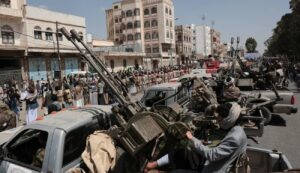
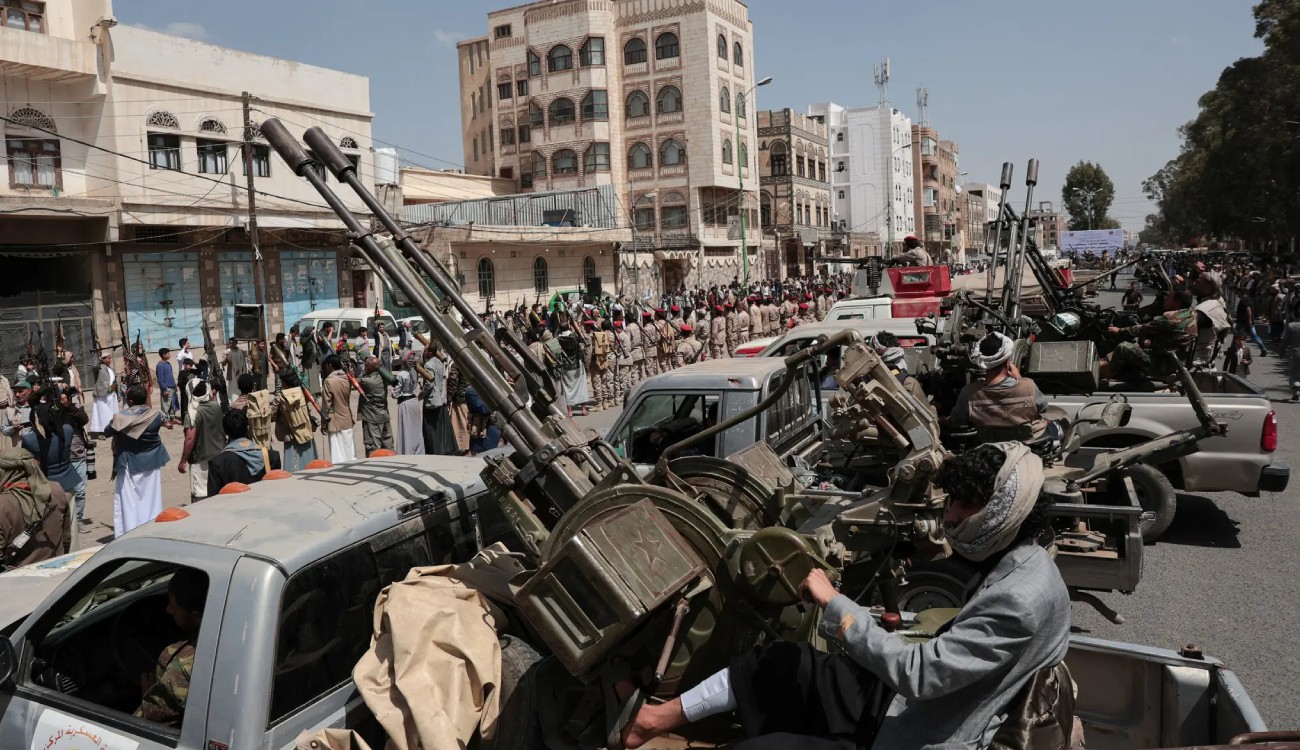
The Iran-backed Houthi militia in Yemen has finally gotten involved in the ongoing regional conflict, but its late response is making people wonder how strong and capable it is right now. Analysts think the group’s reluctance is a result of the U.S.-Israeli campaign last year, which made it much less able to carry out its operations.
Late Response Brings Up Strategic Questions
The Houthis didn’t act right away when Israel and the US attacked Iran in February, even though they had promised to protect Iran for a long time. Instead, the group did very little for weeks, only attacking on March 28.
Instead of opening a new front, this move showed that the person was entering the conflict carefully and with a plan.
Effects of Past Military Strikes
Experts say that the Houthis’ limited response is mostly because of the 55-day bombardment by U.S. and Israeli forces. Reports say that the attacks hurt important infrastructure, messed up supply chains, and made it harder to get important materials.
Analysts say that smuggling routes have been blocked, and getting imported propellants needed for missile systems has become less and less reliable.
Finding a balance between military strategy and reputation
The Houthis have been in charge of northern Yemen since they took over the capital, Sanaa, in 2014. They have made themselves a key part of Iran’s axis of resistance. Their late involvement could have hurt that image.
But experts say that part of the reason they eventually went on strike was to keep their credibility. It wasn’t just a military move; it was also a way to save face and improve their standing in the area.
Regional Role and Things to Think About at Home
Houthi leaders have said that their involvement is both a moral and strategic necessity, stressing their support for Iran and other regional alliances.
At the same time, the way things are going inside is affecting their choices. The group has been working for years to strengthen its hold on northern Yemen. If the conflict gets worse, they could be attacked again or give rival groups more power.
A Careful Way to Step Up
The Houthis have only claimed a few attacks so far, and they have not tried to spread the conflict to the Red Sea or directly attack Gulf countries. Analysts call this a strategy of phased escalation, which lets the group test its limits while keeping its other abilities.
The Bab-al-Mandeb Strait’s Strategic Importance
The Houthis have a lot of power because they are close to the Bab-al-Mandeb Strait, which is an important shipping route that connects the Red Sea to the Gulf of Aden. This corridor is a major route for global trade, which gives it a lot of power.
Any problems in this area, especially with tensions in the Strait of Hormuz, could have a big effect on shipping around the world, possibly forcing ships to change course and raising costs for everyone.
Future Outlook: Planned Moves Ahead
The Houthis seem to be holding back for now, keeping their options open. Depending on how the larger conflict goes, experts think the group could later act as a last credible escalation ladder for Iran.
Their actions also have a domestic purpose: showing the Yemeni people that they are in charge and can do things.
The Houthis’ late and careful entry into the war shows a complicated mix of weakened power, strategic caution, and geopolitical signaling. As tensions change, their next moves could be very important for the stability of the region and the flow of trade around the world.