






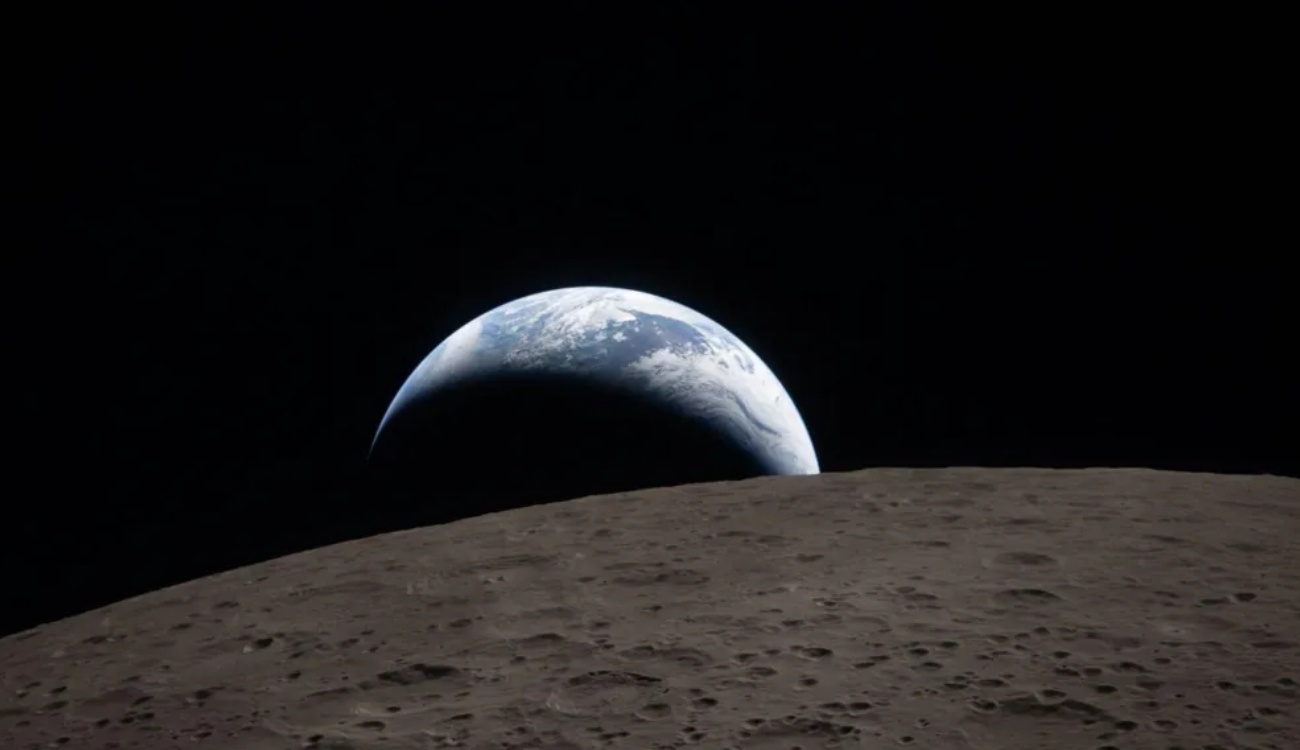
NASA’s Orion spacecraft is getting good results in a historic lunar test as part of the Artemis II mission update.
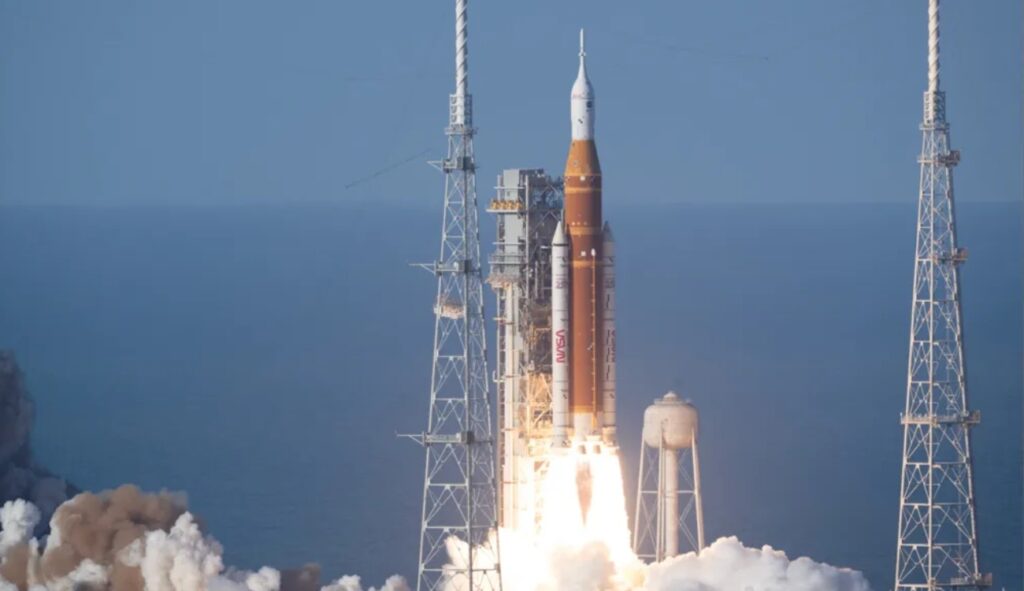
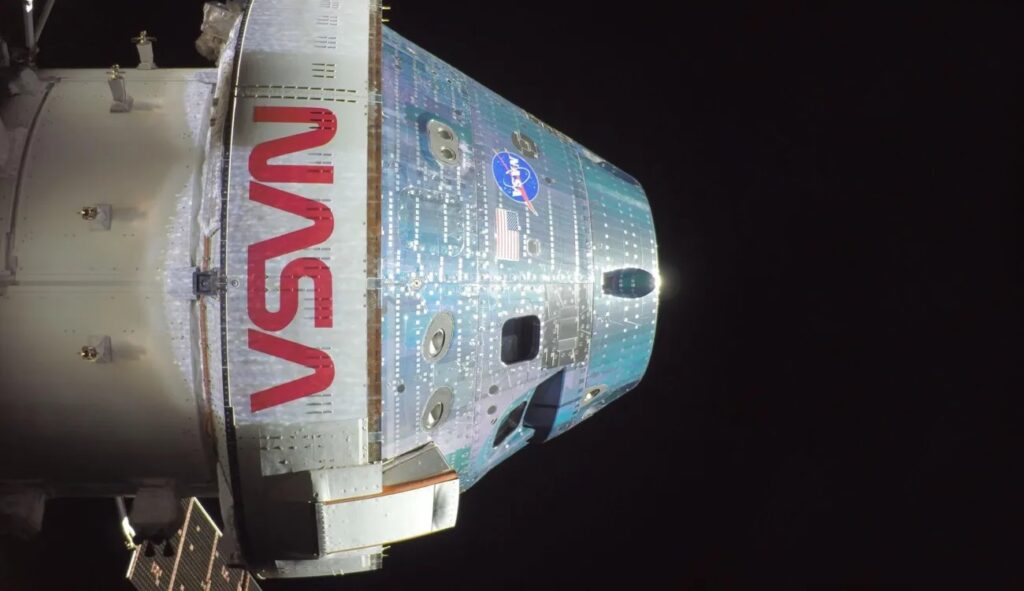
NASA’s Artemis II mission has successfully completed its first phase, which is a big step toward bringing people back to the Moon. The mission has shown that both the rocket and spacecraft are working better than expected since they were launched on April 1. This makes people more hopeful about future lunar exploration.
Artemis II Mission Gets Off to a Great Start

The Orion capsule showed that it can safely carry people in deep space within the first six days. This is something that simulations alone could never fully prove. The mission has not only met its engineering goals, but it has also sparked a new sense of hope and interest in exploring space.
NASA officials stressed the need to increase the frequency of launches instead of treating each mission as a one-time event, even though there had been delays because of technical problems. This change in strategy could be very important for long-term success.
The SLS rocket works better than expected.
The Space Launch System (SLS) gave a strong and accurate launch, with 8.8 million pounds of thrust. Every step of the ascent, from separating the booster to shutting off the engine, went off without a hitch.
Notably, the rocket’s accuracy made two planned course corrections unnecessary. The translunar injection burn, which was an important step in getting Orion to the Moon, went off without a hitch.
Testing Spacecraft with People
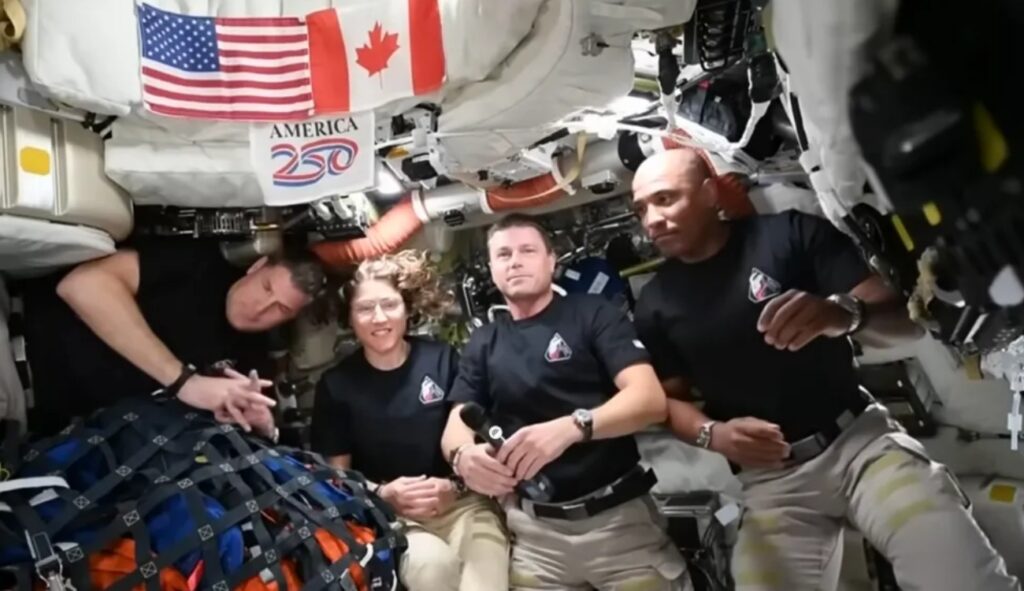
One of the main goals of the Artemis II mission is to learn more about how people use spacecraft systems in real life. There were some small problems, like toilets not working, water dispensers not working, and a small helium system problem. These were all fixed quickly.
These tests in the real world are very important to make sure the spacecraft is ready for longer missions, like landing on the Moon in the future.
What matters more: science or inspiration?
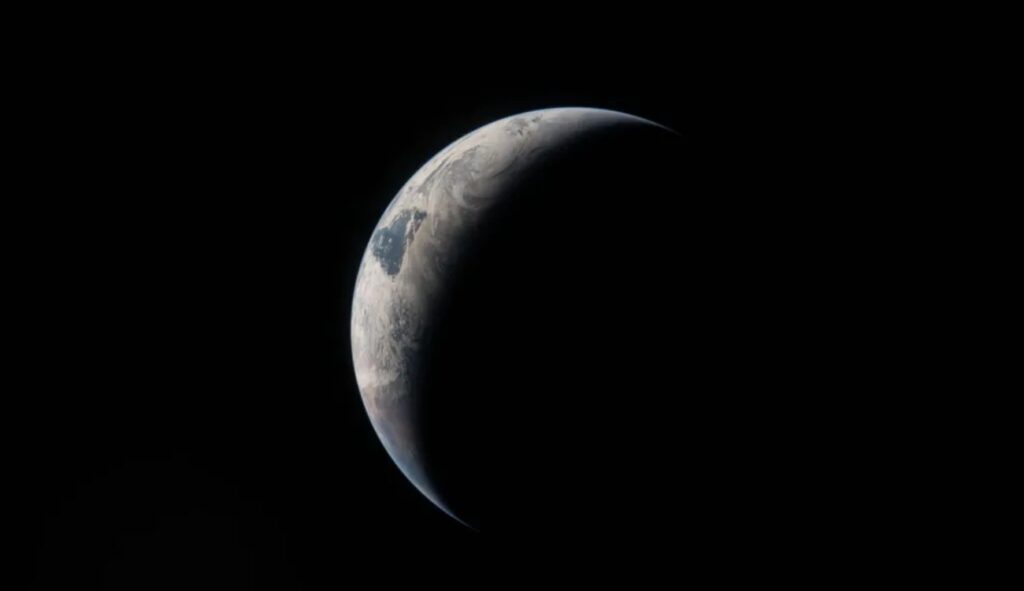
Astronauts took notes on things they saw on the moon, like the Orientale basin. However, experts say that the mission’s scientific contributions may not be as great as those of robotic missions like Chandrayaan-3 and Chang’e-6.
The mission’s emotional and symbolic value, on the other hand, is what makes it stand out. When astronauts named a lunar crater “Carroll” in memory of a loved one, it was a touching moment that showed the human side of space exploration.
The Biggest Test Is Still to Come: Re-entry
The mission isn’t done yet. The Orion spacecraft is set to come back to Earth on April 11. Its biggest challenge will be to re-enter the atmosphere at speeds of about 25,000 mph.
This stage will decide how well the mission goes overall, especially since there were worries about how well the heat shield worked during the last Artemis I mission.
Is it possible for NASA to land on the Moon by 2028?
NASA wants to land on the Moon by 2028, but experts say this goal is still very ambitious. A more realistic guess says it might take three to four more years.
The success of the Artemis II mission has made people feel a lot more confident, though. The spacecraft, rocket, and crew have all shown what they can do, so the focus has now moved to other problems, such as getting the lander ready and keeping up with the mission frequency.
A New Era of Exploring the Moon Starts
The Artemis II mission is not just a test flight; it marks the start of a new era in space exploration. It inspires the world in a way that is similar to the Apollo era, using science, engineering, and human emotion.
As people look forward to many more Moon missions, this one is a strong reminder that space exploration is not just about technology; it’s also about pushing limits and bringing people together through discovery.