






Trump Proposes $1.5 Trillion Defence Budget with Domestic Spending Cuts
Massive Increase in US Military Spending
Donald Trump has proposed a historic $1.5 trillion defence budget, marking what could become the largest expansion in US military spending since World War II. The proposal, submitted by the White House to Congress, reflects a major shift toward strengthening national security and defence capabilities.
This new budget request is separate from the additional $200 billion already sought by the Pentagon to support ongoing military operations related to Iran.
Focus on Missile Defence and Naval Expansion
A key highlight of the proposed budget is funding for the ambitious “Golden Dome” missile defence system. This advanced system is expected to include land, sea, and space-based technologies designed to counter next-generation missiles and drone threats.
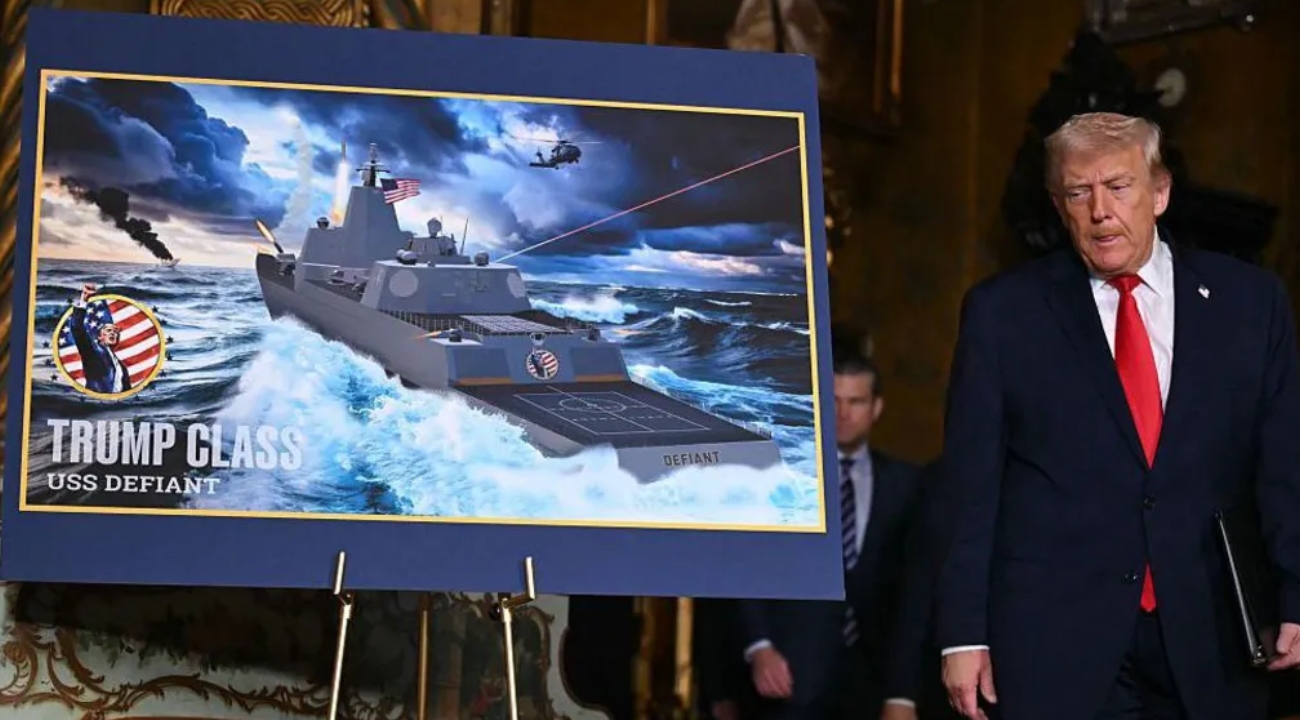
The proposal also emphasizes boosting domestic shipbuilding capacity, including funding for new naval vessels such as the “Trump-class battleships.” These ships are part of a broader plan to develop a “Golden Fleet” of next-generation warships, aimed at strengthening US maritime dominance.
Rising Concerns Over Costs
While the administration has not specified the full cost of the Golden Dome project, estimates from the Congressional Budget Office suggest that space-based components alone could cost up to $542 billion over the next 20 years. Experts warn that the total cost may consume a significant portion of the defence budget over time.
Domestic Spending Cuts to Offset Costs
To balance the sharp rise in defence spending, the administration has proposed cutting non-defence expenditures by approximately 10%, or $73 billion. These cuts could impact several domestic sectors, including climate initiatives, housing programmes, and education funding.
According to budget documents, the reductions aim to eliminate what the administration describes as “wasteful” programmes and shift certain responsibilities back to state governments.
Military Pay Raises and Industrial Boost
The budget also includes provisions for military pay raises, along with $65.8 billion allocated for shipbuilding. This funding will support the construction of new vessels, including the USS Defiant, the first of the Trump-class battleships, expected to become operational within the next few years.
Additionally, around $350 billion is planned for strengthening the US defence industrial base. This funding may be approved through a budget reconciliation process, allowing it to pass the Senate with a simple majority.
Strategic Push Against Global Competition
The proposal comes amid growing concerns within the administration that the US is falling behind China in shipbuilding capacity and military production. Officials argue that increased investment is essential to maintain global military superiority.
Trump’s Vision: Military First Policy
President Trump has repeatedly emphasized that national security should take priority over certain federal welfare programmes. Speaking at a recent White House event, he suggested that services like healthcare and childcare could be managed at the state level, while the federal government focuses on defence and protection.
Conclusion: A Transformational Budget Proposal
If approved by Congress, this $1.5 trillion defence budget would represent a significant transformation in US fiscal priorities. While supporters argue it strengthens national security and global competitiveness, critics are likely to raise concerns about reduced domestic funding and the long-term financial impact.
Trump defence budget 2026, US military spending increase, Golden Dome missile defence system, US shipbuilding expansion, defence vs domestic spending, Pentagon budget news, US China military competition