


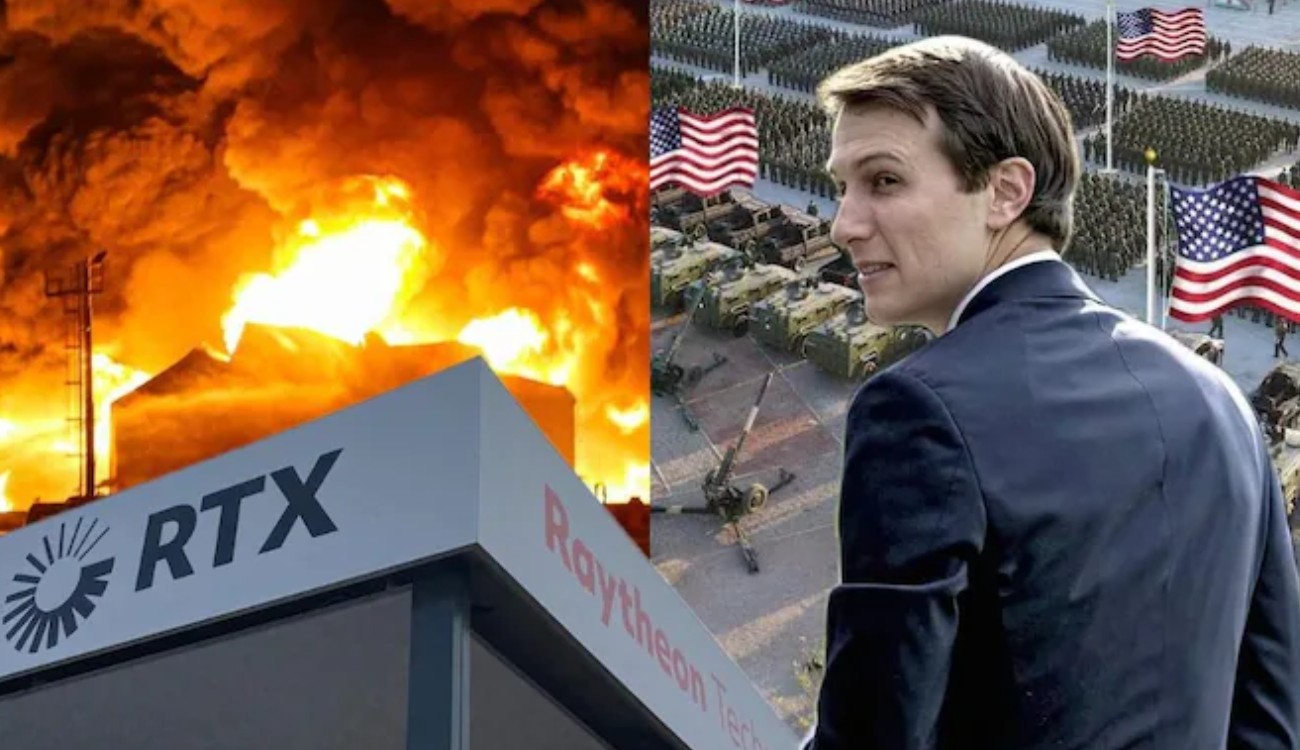
The United States military industrial complex — the network of defence contractors, research institutions, and political relationships that Eisenhower warned about in 1961 — has had a remarkable period. The Iran conflict has been, whatever else it represents, a significant procurement event.
The defence stocks that moved on the announcement of military operations tell you something about who the financial markets expected to benefit. Lockheed Martin, Raytheon Technologies (now RTX), Northrop Grumman, and L3Harris all saw their shares rise in the session following the initial strikes. Together, these four companies account for a significant share of US precision munitions inventory.
The Munitions Economy
A strike campaign of the scale being described in official and journalistic accounts consumes precision guided munitions at rates that require replenishment. Cruise missiles, penetrator bombs, air-to-surface missiles — the unit costs range from hundreds of thousands to millions of dollars per munition. A multi-day campaign can consume inventory worth billions.
Congress will need to authorise replenishment. The contracts that flow from that authorisation are the business opportunity that the market is pricing into defence company valuations.
The Revolving Door
The people who make decisions about military operations and the people who eventually work in defence industry are often the same people at different points in their careers. This isn’t a conspiracy — it’s a structural feature of an industry where the expertise required to understand what needs to be built is concentrated in people who spent their careers in government or military service.
Whether that structure produces better outcomes for national security than a more arms-length relationship would is a question that defence economists genuinely disagree about. What is not in dispute: the relationship between US military action and US defence industry revenue is direct, predictable, and large.
The Winners and the Rest
Eisenhower’s warning was not that the military industrial complex was evil, but that its influence was large enough to require vigilance. The Iran campaign will be studied as a data point in that ongoing analysis — what was done, at what cost, for what assessed security benefit, and who got paid.

