





The United Arab Emirates (UAE) has taken the world by surprise with its decision to withdraw from OPEC. This move is not being viewed merely through the lens of the oil market; rather, it is being interpreted as a significant indicator of shifting political and security dynamics within West Asia. Notably, India stands to gain the most from this transformation.
The UAE’s move comes at a time when its ties with India, Israel, and the United States are steadily strengthening. Conversely, Pakistan, Turkey, and Saudi Arabia are actively engaged in forging their own distinct strategic alignments. Against this backdrop, the politics of the Gulf region appear to be reaching a new turning point.
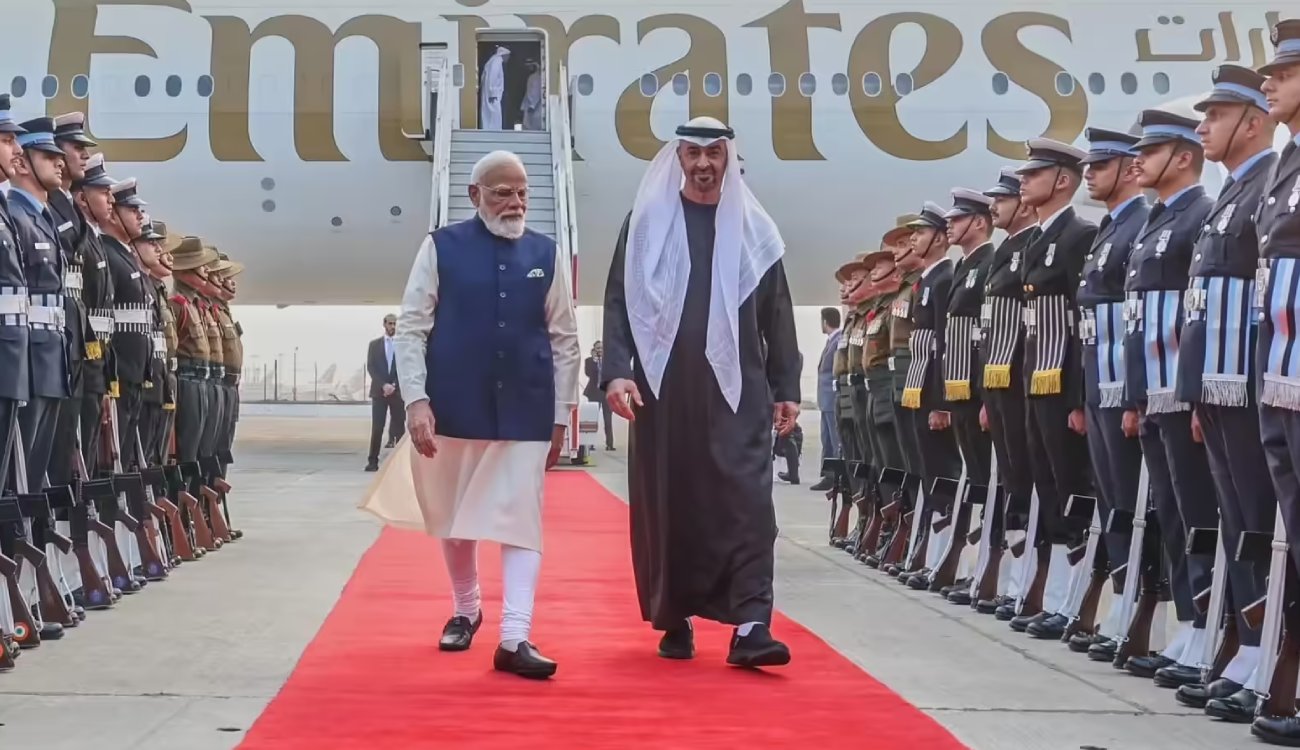
According to reports, Prime Minister Narendra Modi is expected to visit Abu Dhabi next month. Although the visit may last only a few hours, its significance is considered immense. During this visit, key issues such as energy security, trade, investment, and defense cooperation are likely to be discussed.
Experts believe that the UAE’s withdrawal from OPEC will have a direct impact on the oil market. The UAE has long been one of the world’s major oil-producing nations. If it increases its production levels, it could help stabilize oil prices—a development that would greatly benefit a major oil-importing nation like India.
Dr. Lakshmi Priya, an Associate Professor at Jawaharlal Nehru University, notes that relations between India and the UAE have strengthened significantly over the past few years. Consequently, there is a strong possibility of increased cooperation in the fields of oil supply and energy storage. The UAE could also play a pivotal role in strategic oil reserves, such as those located in Mangaluru.
However, this narrative extends beyond just oil and trade; the most tangible shifts are becoming apparent on the defense and security fronts. This year has witnessed the signing of significant agreements regarding defense cooperation between India and the UAE. Simultaneously, both nations have rapidly deepened their ties with Israel.
A new strategic triangle now appears to be emerging in West Asia, in which India, the UAE, and Israel are poised to play pivotal roles. It is believed that this alliance could pave the way for new avenues of security and trade, spanning the region from the Indian Ocean to the Gulf. Experts also view this as a response to the growing alignment between Pakistan, Turkey, and Saudi Arabia. In recent months, Pakistan has been consistently striving to strengthen its foothold among Islamic nations. However, the growing convergence between India, the UAE, and Israel could pose a challenge to its strategy.
For India, the UAE has evolved from being merely a friendly nation into a strategic gateway to the Gulf region. Millions of Indians work there; a significant portion of India’s trade flows through this route, and a substantial share of its energy requirements is also met from this source. Consequently, strong ties with the UAE are of paramount importance for both India’s economy and its security.
If this strategic partnership between India, the UAE, and Israel continues to strengthen in the times to come, its impact will not remain confined solely to West Asia. It has the potential to reshape the politics and power dynamics of the entire Asian continent.