






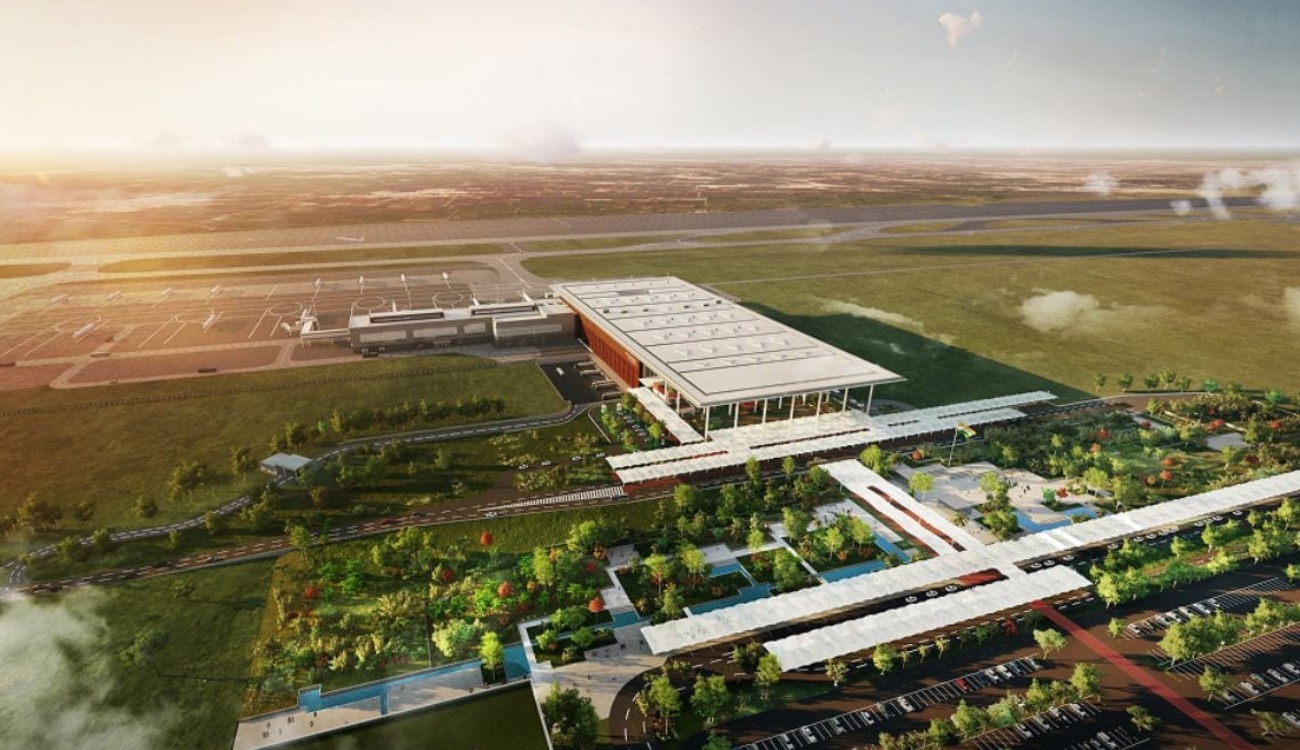
The first phase of Noida International Airport covers 1,334 hectares and has two runways and a terminal that can handle 12 million passengers a year.
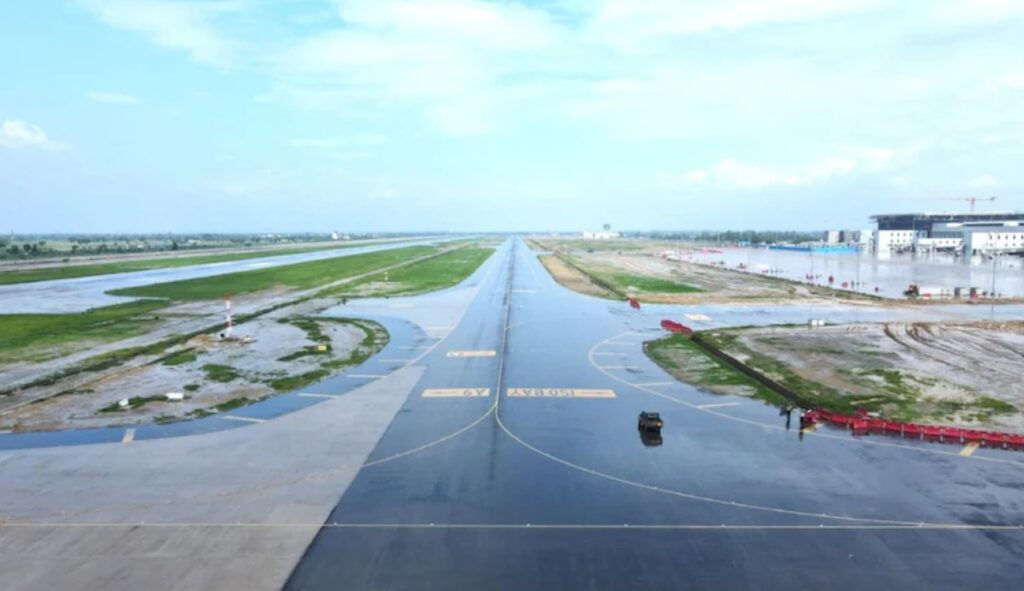
Noida: When you stand at the edge of the tarmac at Noida International Airport, you can feel the size of what India has built here. The runway goes 3,900 meters into a flat, open space. The terminal building, which is made of steel, glass, and ambition, shines in the afternoon sun. Most of the cranes are gone now. The noise isn’t just from construction anymore. It is the sound of an airport getting ready to take off while it waits for the right clearances.
The official opening of Noida International Airport took place on March 28.

What Prime Minister Narendra Modi’s foundation stone ceremony in November 2021 set in motion has finally come, even though there have been many missed deadlines. Tata Projects did the engineering, buying, and building. Yamuna International Airport Pvt Ltd, which is part of Zurich Airport International AG, is in charge of the concession. They have worked together to give north India something it has needed for a long time.
The first phase covers 1,334 hectares and has two runways and a terminal that can handle 12 million passengers a year. That number will go up a lot. The second runway in Phase 2 increases capacity to 30 million passengers. The full build-out, which will take four phases over four decades, will accommodate 70 million passengers and cost almost Rs 30,000 crore. When this number is reached, NIAL will be the busiest airport in India.
The inside of the terminal is huge but not scary, and it has a sophisticated mix of Swiss precision and Indian soul. The steps in front of the terminal are based on the famous ghats in Varanasi and Haridwar.
A wavy, white, see-through roof that looks like the region’s rivers sits on top of it all. Intricate ornamental lattice screens show off the best of Indian architecture. If you look around, you’ll see arches, courtyards, and traditional building styles that connect travelers to the state’s rich cultural history.
IndiGo, Akasa Air, and Air India Express are some of the first airlines that are expected to fly from the new airport. Kinjarapu Ram Mohan Naidu, the Minister of Civil Aviation, has said that the airport will connect at least 10 cities in India at first, with an eye on cargo from day one.
The economic impact is already clear, even before the first commercial flight. This one project is expected to create more than one lakh direct and indirect jobs. This makes the Noida International Airport not just an option, but a strategic need.