




The ongoing Iran-Israel conflict has entered a highly volatile and निर्णायक (critical) phase, as former U.S. President Donald Trump issued a stark 48-hour ultimatum to Iran, warning of severe military consequences if Tehran fails to comply with U.S. demands. This development marks one of the most dangerous escalations in the Middle East crisis, raising global concerns about a wider war, energy disruption, and economic instability.
In this comprehensive LIVE update article, we explore the latest developments, geopolitical implications, military strategies, global reactions, and what lies ahead in the Iran-Israel war.
Latest Developments: Trump’s 48-Hour Warning
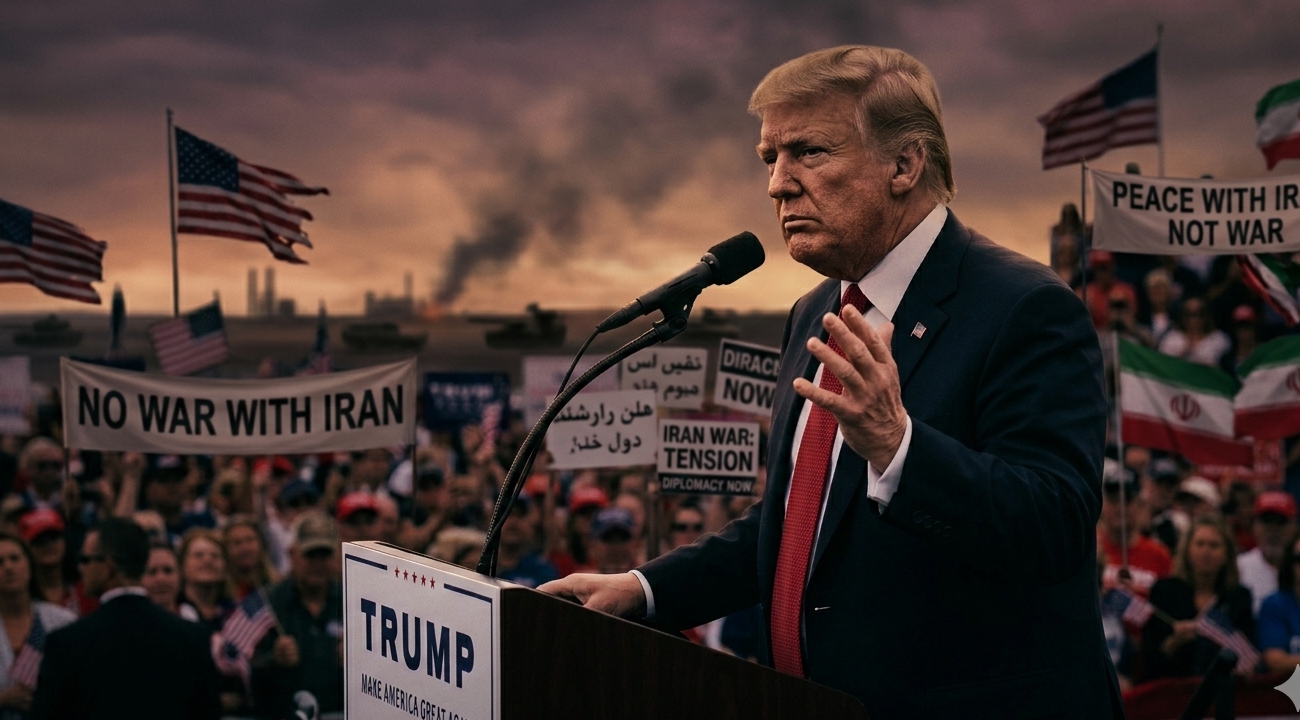
The conflict intensified dramatically when Donald Trump warned that Iran must agree to a deal within 48 hours or face what he described as “hell” from the United States. The ultimatum reportedly includes demands such as reopening the strategically critical Strait of Hormuz and halting aggressive military operations.
Recent reports confirm that this warning comes after escalating military incidents, including the downing of U.S. aircraft and continued missile exchanges between Iran and Israel.
The Strait of Hormuz, a narrow yet crucial oil transit route, has become a focal point of the conflict. Any disruption here impacts nearly 20% of global oil supply, making the situation not just regional but global in scope.
Background of the Iran-Israel Conflict
The Iran-Israel rivalry is deeply rooted in ideological, political, and military tensions spanning decades. However, the current war escalated sharply following direct military confrontations involving:
- Iranian missile and drone attacks
- Israeli airstrikes on Iranian military and nuclear facilities
- U.S. involvement supporting Israel and targeting Iranian assets
The conflict intensified further when the U.S. joined Israel in coordinated operations against Iranian positions, marking a shift from proxy warfare to direct confrontation.
Military Escalation: A Region on Edge
The situation on the ground is rapidly deteriorating. Key developments include:
1. Airstrikes and Counterattacks
Israel has launched multiple strikes targeting Iranian military bases and infrastructure, including sensitive areas near nuclear facilities. In response, Iran has fired ballistic missiles at Israeli cities and U.S. bases in the region.
2. U.S. Military Involvement
The United States has increased its military presence in the Middle East, deploying additional forces, aircraft, and naval units. Trump’s ultimatum signals readiness for large-scale military action if diplomatic efforts fail.
3. Downed Aircraft and Rising Casualties
Reports indicate that Iran has successfully targeted U.S. aircraft, escalating tensions further. Thousands of casualties have already been reported across the region, including civilians.
The Strategic Importance of the Strait of Hormuz
The Strait of Hormuz has become the epicenter of the crisis.
- It connects the Persian Gulf to global markets
- Around one-fifth of the world’s oil passes through it
- Any blockade leads to immediate spikes in oil prices
Iran has reportedly restricted access to the strait, prompting Trump’s ultimatum demanding its reopening.
A prolonged closure could trigger a global energy crisis, affecting countries like India, China, and European nations heavily dependent on oil imports.
Iran’s Response: Defiance and Conditional Talks
Iran has largely rejected U.S. demands and continues to assert its strategic autonomy.
- Tehran has refused ceasefire proposals
- Iranian officials have hinted at indirect negotiations through intermediaries
- Iran has warned of retaliatory strikes if its infrastructure is targeted
Recent statements suggest Iran may be open to diplomacy—but not under pressure or threats.
Global Impact: Oil Prices, Markets, and Economy
The Iran-Israel war is no longer a regional conflict—it has global consequences.
1. Oil Market Shock
Oil prices have surged due to fears of supply disruption. Closure of the Strait of Hormuz has already affected global shipping routes.
2. Inflation Risks
Higher oil prices lead to increased fuel costs, transportation expenses, and inflation worldwide.
3. Stock Market Volatility
Global stock markets have reacted negatively, with investors moving toward safer assets amid uncertainty.
4. Impact on India
India, being a major oil importer, faces:
- Rising fuel prices
- Pressure on the rupee
- Increased import bills
Diplomatic Efforts: Is Peace Still Possible?
Despite rising tensions, diplomatic channels remain partially open.
- Backchannel negotiations through countries like Pakistan have been reported
- Some global powers are urging restraint and dialogue
- The United Nations has called for immediate de-escalation
However, the 48-hour deadline significantly reduces the window for peaceful resolution.
Role of Israel in the Conflict
Israel remains a central player in the conflict.
- Israel continues aggressive military operations against Iranian targets
- It has warned of Iran’s growing missile capabilities
- Israeli leadership sees Iran as an existential threat
The conflict between Iran and Israel has now drawn in global powers, making it a multi-front war.
Risk of Wider Regional War
The current situation carries the risk of expanding into a broader Middle East war involving:
- Hezbollah in Lebanon
- U.S. allies in the Gulf
- Militant groups across the region
Any miscalculation could trigger a chain reaction, leading to a full-scale regional conflict.
Humanitarian Crisis: Civilians at Risk
Amid geopolitical tensions, civilians are suffering the most.
- Thousands killed or injured
- Infrastructure destroyed
- Mass displacement in affected areas
Hospitals, schools, and residential areas have been impacted by airstrikes and missile attacks.
What Happens After the 48-Hour Deadline?
The world is closely watching what happens next. Possible scenarios include:
1. Diplomatic Breakthrough
Iran agrees to negotiations, preventing immediate escalation.
2. Limited Military Strikes
The U.S. launches targeted strikes on Iranian infrastructure.
3. Full-Scale War
A large-scale conflict involving multiple countries erupts.
4. Prolonged Standoff
Neither side backs down, leading to continued instability.
Expert Analysis: A Dangerous Turning Point
Geopolitical experts believe this ultimatum marks a turning point in the conflict.
- It increases pressure on Iran
- It raises the stakes for U.S. credibility
- It narrows diplomatic options
The use of strong language like “hell” indicates a shift toward aggressive posturing rather than negotiation.
Conclusion
The Iran-Israel war has reached a critical juncture with Donald Trump’s 48-hour ultimatum to Iran. As tensions escalate and military actions intensify, the risk of a wider regional or even global conflict looms large.
The coming hours will be decisive. Whether the situation moves toward diplomacy or descends into deeper conflict will shape not only the future of the Middle East but also the global economy and international security.