


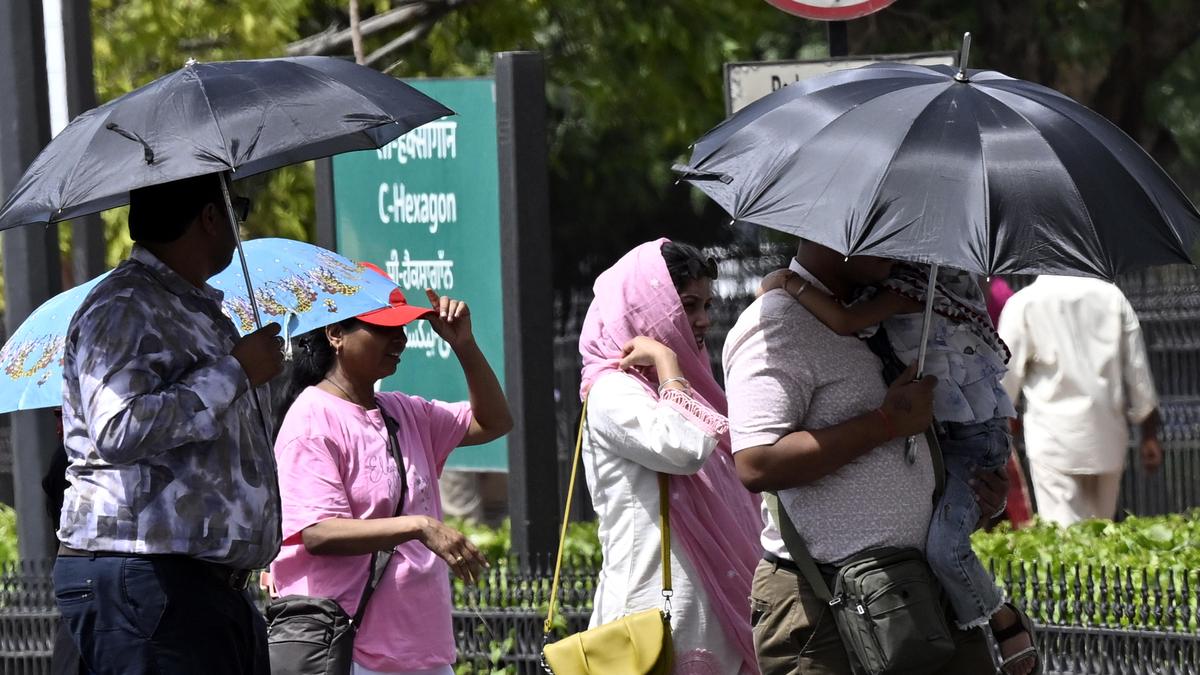
The southwest monsoon has started progressing over several coastal parts of the country, while large parts of central and northwest India are under severe heatwave conditions. The strange weather pattern has raised concerns among meteorologists, health experts, farmers and citizens who expected the temperatures to drop with the arrival of the monsoon season.
Instead of widespread cooling rainfall, many states across northern and central India are still experiencing scorching daytime temperatures, dry winds and rising humidity levels. The heatwave continues to intensify, bringing severe discomfort to both urban and rural areas, with the monsoon remaining largely offshore and slow to reach further inland areas.
The situation has triggered renewed debates on climate variation, shifting monsoon patterns, urban heat stress and increasing frequency of extreme weather events across India. Experts say a host of atmospheric and environmental factors are combining to produce this long spell of severe heat, despite the monsoon’s seasonal advances.
Understanding India’s Heatwave Situation
A heatwave is officially considered to have begun when temperatures soar well above the normal level for the area. Heatwaves in India are most common during the pre-monsoon summer months of April, May and June. But the situation is getting serious with the heatwave persisting even as monsoon activity has already started in parts of southern India.
Several states in central and northwest India are reporting high temperatures. These include Rajasthan, Delhi, Uttar Pradesh, Madhya Pradesh, Haryana and parts of Maharashtra. In parts of the country, daytime temperatures have climbed above 45 degrees Celsius, making outdoor activity dangerous during the hottest part of the afternoon.
The monsoon has made progress in some parts of the Arabian Sea and the southern coastal areas, but it has not yet moved effectively into the central and north-western parts of India, according to meteorologists. This gap between the monsoon onset and its inland penetration is one of the primary reasons for the continuing heatwave.
Why The Monsoon Remaining Offshore Matters
Southwest monsoon is significant for India’s climate and agriculture. Generally, the monsoon wind causes cloud cover, rainfall and cooling effects as it moves inland, gradually reducing summer temperatures.
But this year, the monsoon’s movement has stayed confined to offshore regions and coastal belts for a longer period. This has led to the dry atmospheric conditions continuing over the inland areas with strong solar heating.
Meteorologists say moisture-laden winds are not able to reach large parts of central and northwest India effectively due to offshore monsoon activity. The land’s rapid daytime heat absorption remains unchecked without sufficient cloud and rain formation.
Hence, the delay in monsoon’s advance towards north has resulted in prolonged heatwave conditions instead of seasonal relief.
Role Of High-Pressure Systems In Intensifying Heat
One of the main meteorological reasons behind the ongoing heatwave is persistent high-pressure systems over northern and central India.
Pressure that is high stops clouds from forming and lowers the chances of rain. They also trap hot air near the Earth’s surface, allowing temperatures to rise continuously under clear skies.
Meteorologists say the weather patterns are stopping moisture-laden monsoon winds from moving further inland. As a result, hot and dry winds continue to dominate weather conditions in the affected states.
The absence of notable thunderstorms or rain-inducing systems has only served to further enhance daytime heating, particularly in urban centers where concrete infrastructure absorbs and retains heat more aggressively.
Climate Change And Rising Extreme Weather Events
And climate scientists increasingly suspect global climate change is a big factor behind the increasing intensity and frequency of Indian heatwaves.
India has seen a series of record-breaking summers over the last 10 years with long stretches of heat, erratic rain, late monsoons and sudden extreme weather events. As the world warms, it is changing atmospheric circulation patterns and the traditional timing and distribution of rainfall.
Environmental experts say the warmer oceans can also influence monsoons, making rainfall less predictable. This leads to some areas getting too much rain, while others are left in extreme heat and drought-like conditions.
Climate change is not only raising average temperatures, but also making heatwaves last longer. This means that hot conditions are lasting longer and affecting more people than they once did.
Scientists warn that such overlapping events — when monsoon activity and intense heatwaves occur at the same time — may become more common in the future.
Urban Areas Facing Extreme Heat Stress
The urban heat island effect makes cities across India particularly susceptible to prolonged periods of heatwave conditions. In urban areas with a lot of concrete and asphalt roads and little green space and heavy traffic, the heat often is more intense than in rural areas.
Record high night-time temperatures have also been recorded in major cities in northwest India. This is especially dangerous because the human body has no chance to recover from the heat exposure during the day.
Air pollution can exacerbate heat conditions in cities by trapping warm air and reducing atmospheric circulation. All of which, combined with higher humidity levels, makes for extremely uncomfortable living conditions for millions of the residents.
Health officials in a number of states already have issued advisories, urging people to avoid sun exposure during the afternoon hours and to stay well hydrated all day long.
Impact On Public Health
Extreme heat waves are a serious health threat, especially to children, the elderly, outdoor workers and those with pre-existing medical conditions.
Prolonged exposure to high temperatures can lead to dehydration, heat exhaustion, heatstroke, dizziness and serious cardiovascular complications, say doctors. Heat stroke can be life-threatening in severe cases, without immediate medical attention.
As temperatures climb, hospitals across much of the country are reporting more cases of heat-related illness.
The danger of extreme heat and humidity comes from the fact that humidity reduces the body’s ability to cool itself through sweating. Increased risk of overheating even at temperatures slightly below the peak heatwave threshold.
Experts also caution that prolonged heat exposure impacts mental health, sleep quality, productivity and overall public health.
Farmers And Agriculture Under Pressure
The extended heatwave is also creating difficulties for India’s farming sector. Farmers in several states were hoping for monsoon rains to help sowing activities for the next crop season. But a late inland rainfall has added uncertainty.
High temperatures can harm soil moisture and stress crops at early growth stages. In some areas farmers are postponing sowing decisions due to lack of rain and fears of water shortages.
Agriculture experts warned that prolonged delay in monsoon advancement could impact crop productivity and rural livelihoods.
Monsoons are still vital to India’s food security, as much of the country’s agriculture remains heavily dependent on seasonal rains.
Power Demand Reaches Record Levels
Another major impact of the ongoing heatwave is the sharp rise in electricity demand. Millions of households and businesses are relying heavily on air-conditioners, coolers and fans to cope with extreme temperatures.
Several states have experienced record power consumption in recent weeks. “Increased demand for electricity puts pressure on the energy infrastructure, and could raise the likelihood of power shortages in some areas.
Authorities are closely monitoring power supply systems to ensure uninterrupted electricity supply during peak summer conditions.
At the same time, demand for water has soared in both urban and rural areas, putting additional pressure on local resources.
What Meteorologists Expect Next
The weather experts say the extent of the relief from the heatwave will largely depend on the speed at which the southwest monsoon advances inland in the coming days.
Temperatures are expected to fall slowly with stronger monsoon winds reaching deeper into central and northwest India due to cloud cover and rainfall activity. But any further delay could push severe heat conditions into additional areas.
Meteorologists pay close attention to atmospheric pressure systems, sea surface temperatures and wind patterns to predict the next phase of monsoon progress.
In some places, isolated pre-monsoon showers may bring temporary relief but widespread cooling is only expected once sustained monsoon activity reaches the affected states.
Government Response And Preparedness
Both the central and state governments have stepped up their preparedness for tackling the prevailing heatwave situation. Public warnings, emergency medical provisions, water distribution arrangements and heat action plans are being put in place in a number of regions.
Officials are urging residents to stay indoors during the peak of the day, wear loose clothing, drink plenty of fluids and avoid strenuous outdoor activity.
Some schools have also adjusted schedules due to extreme daytime temperatures.
Experts say India will need stronger long-term climate adaptation strategies in the future including better urban planning, more green cover, better water management and heat resilient infrastructure.
Conclusion
The ongoing severity of heatwave conditions in central and northwest India despite progress of the monsoon underscores the increasing complexity of India’s changing climate patterns. Technically, the southwest monsoon has started its seasonal journey, but its delayed inland march and continued offshore concentration has allowed extreme temperatures to persist over much of the country.
Unusual weather conditions are being driven by a combination of high-pressure systems, delayed rainfall, urban heat stress and wider climate change impacts. The result is a dangerous cocktail of extreme heat, increased humidity, health risks, pressure on agriculture, and energy demands.
With millions of Indians waiting on the monsoon for meaningful relief, the situation is another reminder of how climate variability is reshaping weather behavior across South Asia. The coming weeks will be key to determining whether the monsoon can advance quickly enough to end the summer heatwave and bring back the seasonal balance in affected areas.