

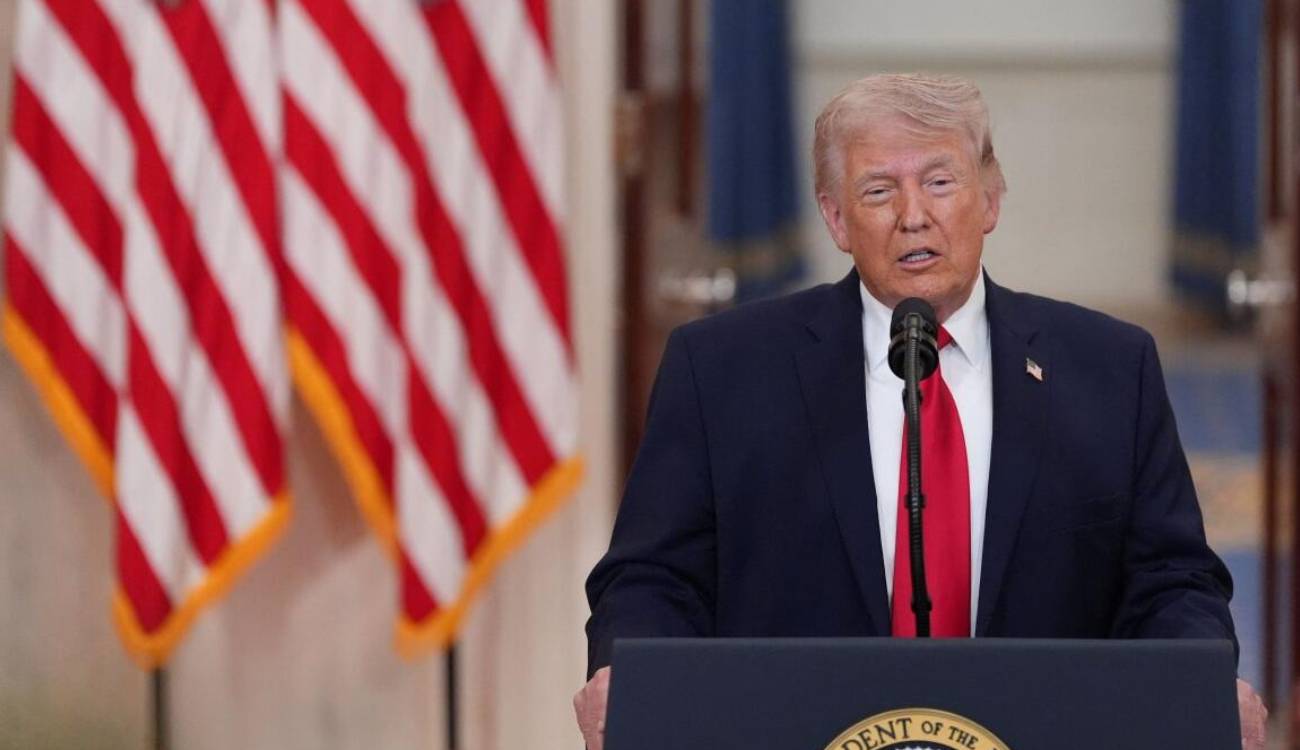
The ongoing conflict between the United States and Iran has reached a dangerous new phase, as former U.S. President Donald Trump issued a stark warning to Tehran, threatening that “all hell” could be unleashed if demands are not met. His remarks come at a time when U.S. forces were engaged in a high-stakes operation to locate and rescue a missing American airman after a fighter jet was shot down over Iranian territory.
The combination of escalating military action and aggressive rhetoric has raised global concerns about a broader regional war, with significant geopolitical and economic consequences.
Rising Tensions in the Iran Conflict
The crisis stems from a rapidly escalating war involving the United States, Iran, and regional allies. The conflict intensified after U.S.-Israeli military strikes targeted Iranian infrastructure, prompting Tehran to retaliate with missile and drone attacks across the Middle East.
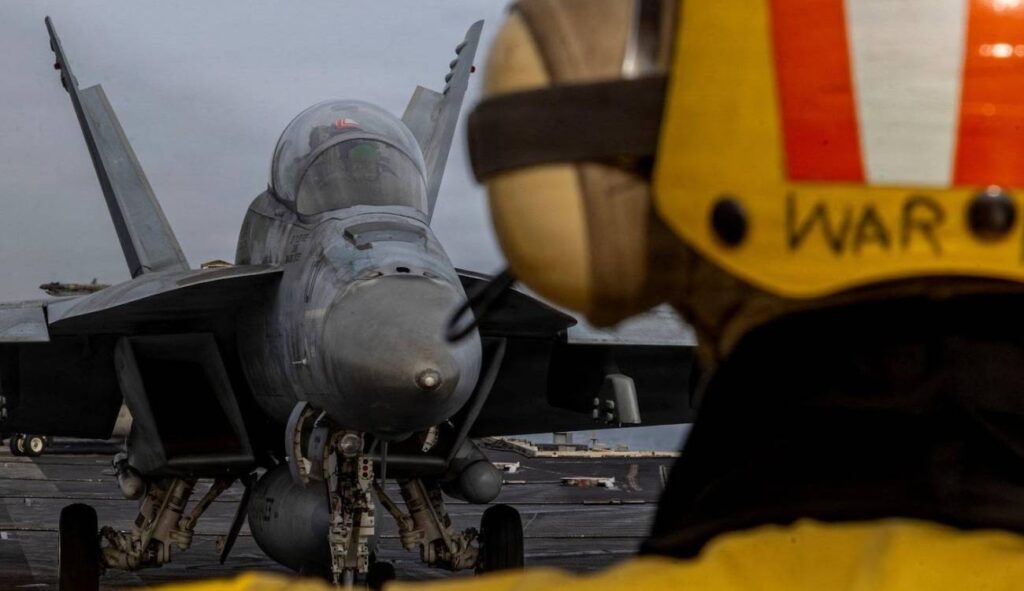
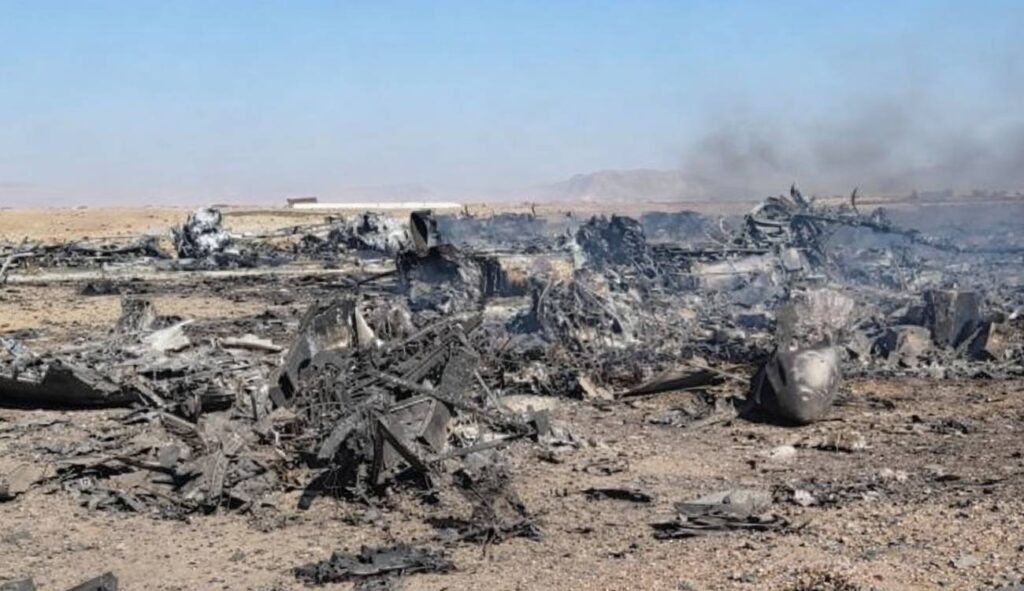
Amid this volatile backdrop, the downing of a U.S. F-15E fighter jet marked a major turning point. It was the first confirmed loss of a manned American aircraft in the conflict, signaling that the situation had entered a more dangerous and unpredictable stage.
The incident triggered an urgent search-and-rescue mission for the missing crew member, further intensifying military operations inside Iranian territory.
Trump’s ‘All Hell’ Warning to Iran
In response to the growing crisis, Donald Trump issued a strong ultimatum to Iran. He warned that Tehran had limited time to either negotiate a deal or reopen the strategically vital Strait of Hormuz.
“Time is running out — 48 hours before all Hell will reign down,” Trump said in a public statement.
The warning reflects Washington’s increasing frustration over Iran’s actions, particularly its control over the Strait of Hormuz, a key global oil shipping route. The closure of this passage has disrupted international energy markets and heightened fears of a global economic shock.
Trump’s remarks also signal a shift toward a more aggressive U.S. stance, with the possibility of large-scale military retaliation if diplomatic efforts fail.
The Search for the Missing U.S. Airman
At the center of this crisis was the intense search for a missing U.S. airman whose aircraft was shot down over Iran. The mission quickly became one of the most complex and dangerous operations undertaken by U.S. forces in recent years.
According to reports, the airman was stranded deep inside Iranian territory, hiding in mountainous terrain while Iranian forces actively searched for him.
U.S. special forces launched a high-risk rescue operation involving helicopters, surveillance systems, and coordinated ground support. Despite heavy resistance and challenging conditions, the mission was ultimately successful, with the airman safely extracted.
Trump described the operation as one of the most “daring” rescue missions in U.S. history, highlighting the risks involved and the strategic importance of bringing the soldier home.
Military Escalation Continues
Even as the rescue mission unfolded, military tensions continued to escalate. Both the United States and Iran have engaged in ongoing strikes, targeting strategic assets across the region.
Key developments include:
- U.S. threats to target Iranian energy and transport infrastructure
- Iranian missile attacks on regional facilities and shipping routes
- Increased Israeli involvement in strikes against Iranian-linked targets
- Rising casualties and damage to critical infrastructure
The Strait of Hormuz remains a major flashpoint, with Iran maintaining tight control over the waterway. The U.S. has made it clear that reopening the strait is a top priority and a key condition for avoiding further escalation.
Global Economic and Strategic Impact
The conflict is not just a regional issue—it has global implications. The Strait of Hormuz handles a significant portion of the world’s oil supply, and disruptions have already caused volatility in energy markets.
Rising oil prices, supply chain disruptions, and investor uncertainty are affecting economies worldwide. Countries heavily dependent on energy imports are particularly vulnerable, facing inflationary pressures and economic instability.
Additionally, the risk of a prolonged conflict could reshape global alliances and security dynamics, especially in the Middle East.
Diplomatic Efforts vs Military Pressure
Despite the aggressive rhetoric, there are ongoing efforts to reach a diplomatic solution. Trump has previously suggested that negotiations with Iran are possible, indicating a dual strategy of pressure and diplomacy.
However, major obstacles remain:
- Disagreements over Iran’s nuclear program
- Sanctions and economic restrictions
- Control of strategic waterways
- Regional security concerns
Iran has largely rejected U.S. ultimatums, calling them unrealistic and warning of severe retaliation if attacked.
What Happens Next?
The situation remains highly uncertain. While the successful rescue of the airman may ease immediate tensions, the broader conflict continues to escalate.
If negotiations fail, the consequences could be severe:
- Expanded military strikes by the U.S. and its allies
- Wider regional conflict involving multiple countries
- Further disruption to global oil supplies
- Increased civilian and military casualties
Analysts warn that the combination of military action and political pressure creates a fragile environment where even a minor incident could trigger a major escalation.
Conclusion
The Iran conflict has reached a critical juncture, with Donald Trump’s “hell” warning underscoring the seriousness of the situation. The successful rescue of the missing U.S. airman provides a momentary victory for Washington, but it does little to resolve the deeper issues driving the conflict.
As tensions remain high and deadlines approach, the world watches closely. Whether this crisis leads to a diplomatic breakthrough or spirals into a larger war will depend on the actions taken in the coming days.
For now, one thing is clear: the stakes have never been higher, and the path forward remains uncertain.