

Artemis II Moon Photos: Scientific Breakthrough or Just Stunning Space Photography?
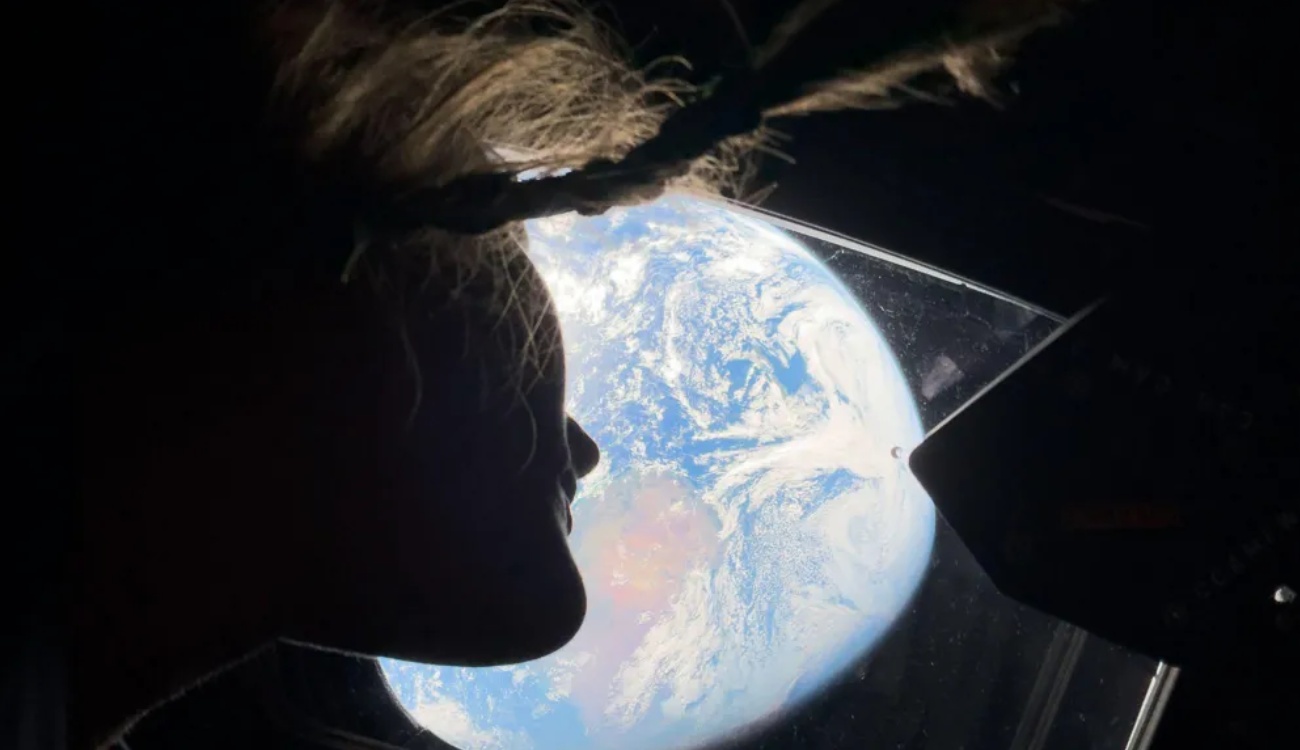
The latest images from NASA’s Artemis II mission have taken social media by storm. Captured by astronauts traveling farther from Earth than any humans since 1972, these high-definition pictures of Earth and the Moon offer breathtaking perspectives. But beyond their visual appeal, an important question arises—do these images hold real scientific value, or are they simply extraordinary “holiday photos” from space?
A Historic Mission with Global Attention
The Artemis II mission marks a significant step in humanity’s return to deep space exploration. Aboard the Orion spacecraft, four astronauts are on a 10-day journey around the Moon, sharing their experience through live streams and regular updates.
NASA has strategically engaged the public, ensuring widespread interest and support. The mission showcases not just exploration but also storytelling—bringing space closer to people on Earth.
Interestingly, the astronauts have been so captivated by the views that even the spacecraft’s window needed cleaning after accumulating dust—highlighting just how frequently they’ve been observing and photographing space.
Cutting-Edge Imaging… Using Familiar Technology
Despite the mission’s advanced nature, the cameras used are surprisingly ordinary. NASA equipped the crew with:
- Standard DSLR cameras like the Nikon D5
- GoPro action cameras
- Smartphones
In total, Orion carries 32 imaging devices—15 mounted externally and 17 handheld by astronauts. This marks the first time digital cameras have been used this far into deep space, making the mission unique from a technological standpoint.
NASA even shares detailed metadata on platforms like Flickr, including which device captured each image—adding transparency and appeal for photography enthusiasts.
Iconic Images: Beauty Over Breakthrough?
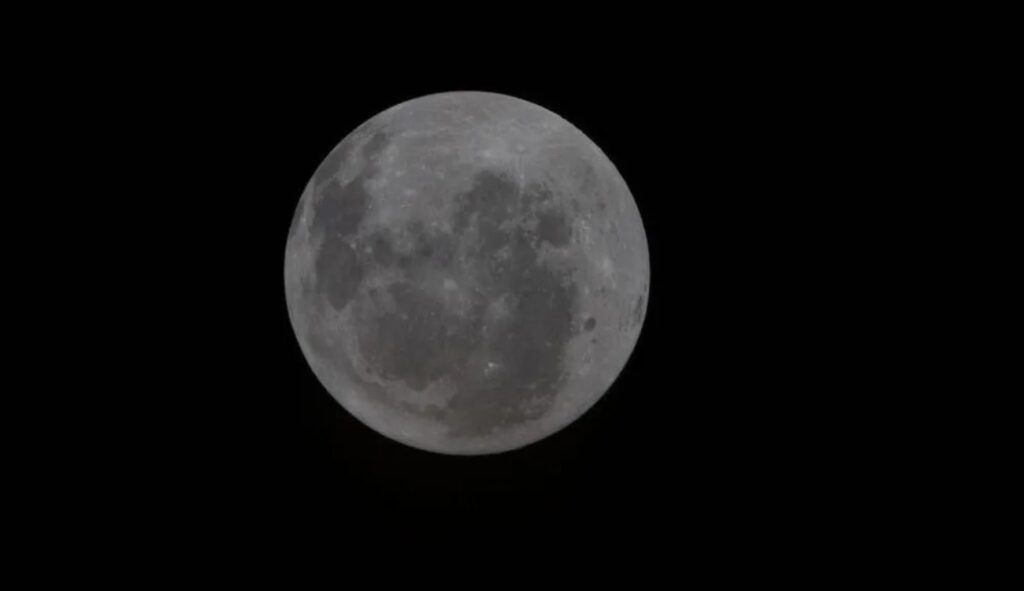
One of the most talked-about images, titled “Hello, World”, was captured by Commander Reid Wiseman. Taken at a point nearly equidistant between Earth and the Moon, the image features:
- Earth partially eclipsing the Sun
- Two visible auroras
- The planet Venus glowing in the distance
While visually stunning, such imagery isn’t entirely new from a scientific perspective. NASA’s Deep Space Climate Observatory, launched in 2015, regularly captures Earth images from nearly a million miles away—far beyond Artemis II’s range.
The Moon’s Far Side: Already Explored?
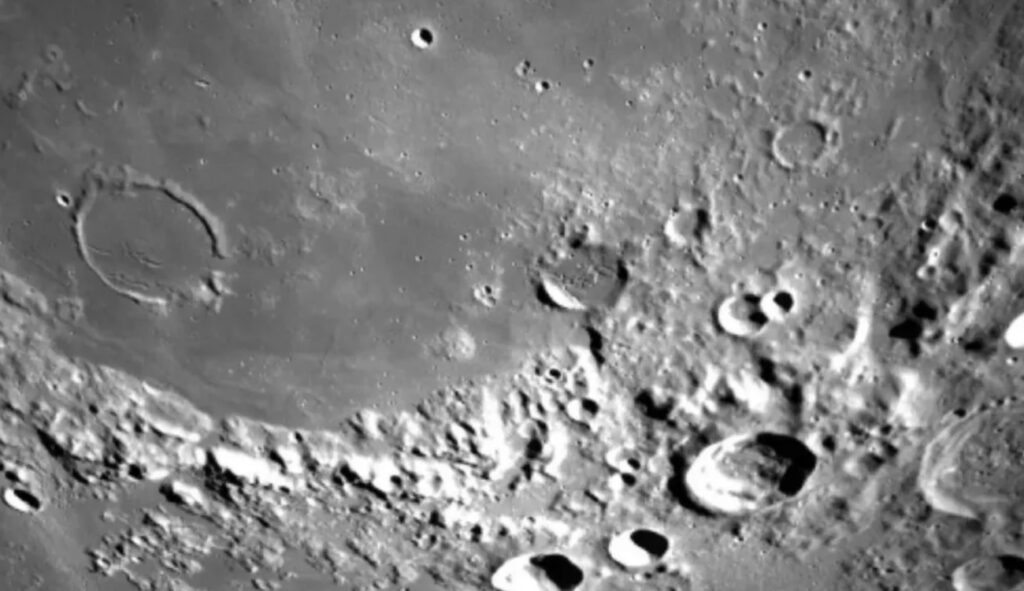
Another widely shared image shows the Orientale Basin, a massive crater on the Moon’s far side. NASA described it as “history in the making,” emphasizing that it’s the first time the entire basin has been seen with human eyes.
However, robotic missions have already mapped this region extensively. Notably:
- Chandrayaan-3 captured detailed images of the Moon’s surface
- Chang’e-6 even collected samples from the far side
These missions suggest that, scientifically, much of this terrain is already well understood.
Expert Opinion: Artistic Value Over Scientific Discovery
According to Chris Lintott, Professor of Astrophysics at the University of Oxford, the primary value of Artemis II images is artistic rather than scientific.
He explains that robotic explorers have already done the heavy lifting in terms of mapping and analysis. Unless something unexpected occurs, the astronauts are unlikely to uncover entirely new scientific data.
Why Human Observation Still Matters
NASA argues that human perception offers advantages that machines cannot fully replicate. The human eye and brain can detect subtle variations in:
- Color
- Texture
- Surface features
This could lead to deeper insights or a more nuanced understanding of the Moon’s geology—even if it doesn’t result in groundbreaking discoveries.
Final Verdict: Science Meets Storytelling
The Artemis II Moon images sit at the intersection of science, technology, and human experience. While they may not revolutionize lunar science, they play a crucial role in:
- Inspiring global audiences
- Building public support for space exploration
- Humanizing deep space missions
In essence, these are not just “holiday photos”—they are powerful visual narratives of humanity’s return to the Moon.