

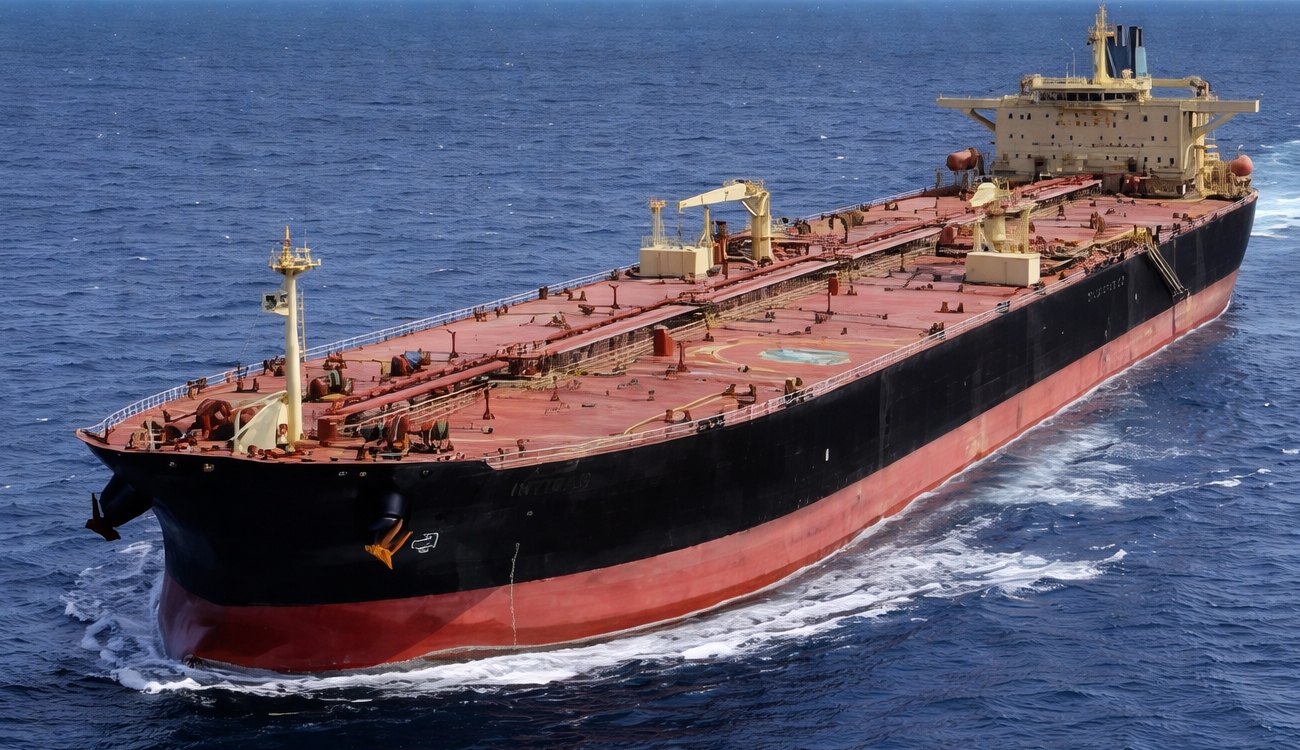
The ship, which was flagged to a jurisdiction that doesn’t immediately trigger automatic regulatory attention, was identified through shipping tracking services and media reporting as likely carrying Iranian crude. Indian port authorities, faced with the prospect of a secondary sanctions exposure for any Indian entity that assisted the vessel, issued clarifications about compliance requirements that effectively signalled the ship was not welcome.
The Secondary Sanctions Issue
US secondary sanctions on Iranian oil don’t apply to Indian law directly — India has not adopted the US Iran sanctions framework domestically. But any Indian bank, shipping insurer, or company that participates in a transaction involving US-sanctioned Iranian oil risks being cut off from the US financial system, which is the lever that makes the sanctions globally effective even without foreign governments formally adopting them.
India has walked a careful line: it bought Iranian oil in significant quantities before 2018, it stopped after the US reimposed sanctions, and it has not formally adopted the US sanctions framework while effectively complying with the economic pressure they create.
What This Means for India’s Energy Strategy
The episode illustrates that India’s stated “strategic autonomy” on Iran has practical limits imposed by financial system integration with the West. That’s not a failure of policy — it’s a realistic assessment of where India’s economic interests lie. But it does mean that India’s ability to benefit from cheap Iranian oil (Iran typically offers significant discounts) is structrained by US financial architecture regardless of India’s formal position.

