


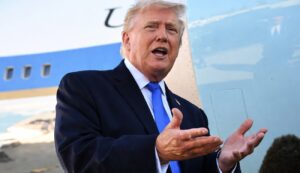





Oil prices briefly dropped below the $100 mark on Wednesday, while stock markets across Europe moved higher. The shift came after Donald Trump said the United States would step away from its current position on Iran within “two to three weeks,” regardless of whether a deal is reached.
Brent crude fell to around $98.65 before recovering slightly to trade near $101. Investors are now closely watching Trump’s upcoming speech, where he is expected to share a significant update on the situation with Iran.
European Stocks Gain Momentum
European markets reacted positively to the news. The UK’s FTSE 100 rose by 1.3%, Germany’s DAX climbed 2.1%, and France’s CAC 40 gained 1.8%. The overall mood in the markets reflected cautious optimism as investors responded to signs that tensions might ease.
Rising Tensions Push Oil Prices Higher
In recent weeks, oil and gas prices have surged due to escalating tensions between the US, Israel, and Iran. Concerns grew after Iran threatened to target ships passing through the Strait of Hormuz—a key route for global oil supply—raising fears of major disruptions.
Adding to the tension, QatarEnergy reported that a fuel tanker it had leased was hit by a missile early Wednesday. Thankfully, no crew members were injured, and there was no environmental damage. Qatar’s Ministry of Defence confirmed that Iran launched three cruise missiles, two of which were intercepted, while one struck the tanker.
Conflicting Signals from the US and Iran
Speaking from the Oval Office, Trump claimed that Iran is “eager” to make a deal but stressed that any agreement would not change the US timeline.
On the other hand, Iran’s president, Masoud Pezeshkian, said his country is willing to end the conflict. However, he emphasized the need for strong guarantees to prevent future attacks or renewed aggression.
Asian Markets See Strong Gains
Stock markets in Asia also responded positively. Japan’s Nikkei 225 surged by 5.2%, while South Korea’s Kospi jumped 8.4%. Both countries rely heavily on energy imports from the Middle East, making them particularly sensitive to developments in the region.
Oil Prices See Historic Surge
Oil prices have risen sharply in recent weeks, with a spike of up to 64% in March, pushing prices close to $120 per barrel. This marks the biggest monthly increase since the 1990 Gulf War.
Analysts believe the current surge is driven by expectations that the conflict could continue for several more weeks. At the same time, oil refiners are increasing their purchases of crude oil to boost production, as global markets face shortages of jet fuel and diesel.
Conflict Continues to Escalate
The situation in the Middle East remains tense. On Tuesday, airstrikes hit Beirut, with Israel stating it was targeting senior Hezbollah figures. The ongoing conflict continues to keep global markets on edge, with investors closely watching every new development.


