





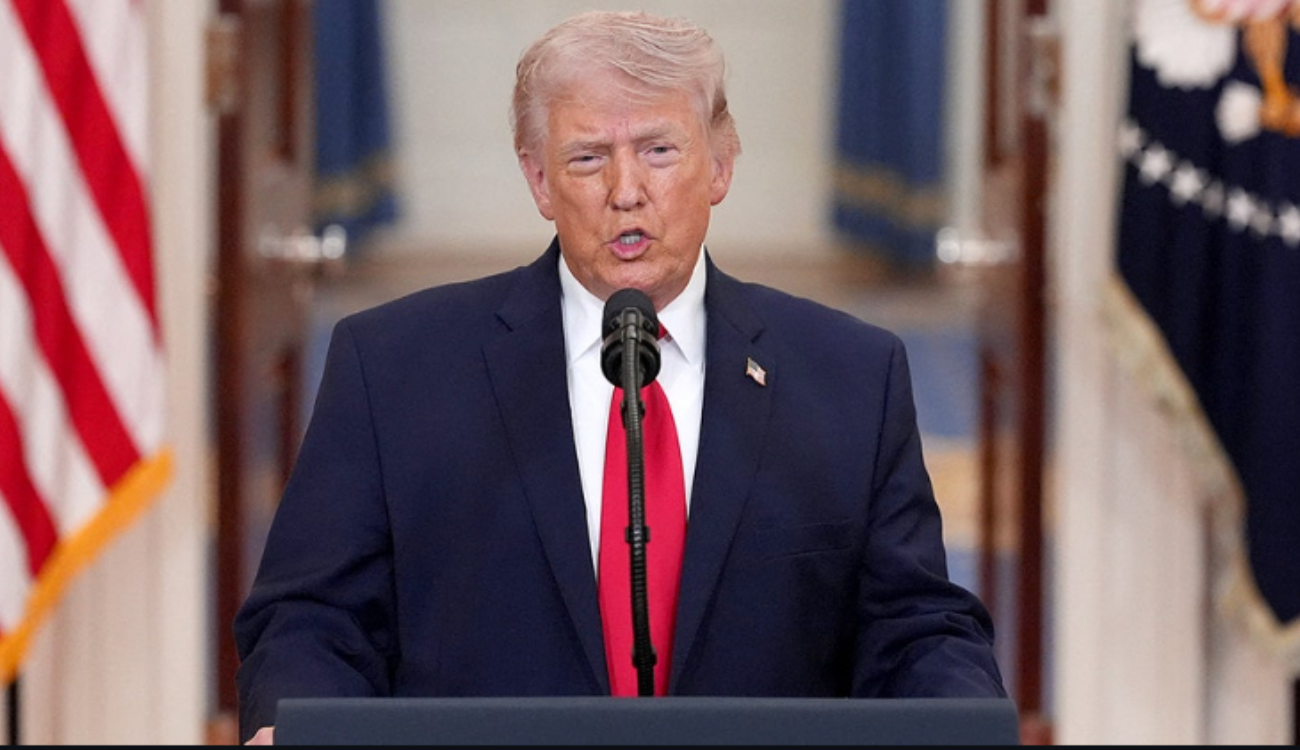
The ongoing Iran-Israel war has entered a critical phase, with global attention now shifting toward potential diplomatic breakthroughs. U.S. President Donald Trump has indicated that a deal with Iran could be reached by April 6, raising hopes of de-escalation in one of the most dangerous conflicts in recent history. However, mixed signals from both Washington and Tehran suggest that the situation remains volatile and uncertain.
This live update article explores the latest developments, ongoing negotiations, military escalations, and the broader geopolitical implications of the conflict.
Background: How the Iran-Israel War Escalated
The current conflict began in late February 2026 after tensions between Iran, Israel, and the United States spiraled into direct military confrontation. What initially started as targeted strikes quickly evolved into a wider regional war involving multiple countries and strategic assets.
The United States and Israel launched coordinated attacks on Iranian military and nuclear infrastructure, citing security concerns. In response, Iran retaliated with missile and drone strikes across the region, targeting U.S. bases and allied positions. The conflict has since disrupted global markets, particularly energy supplies, due to Iran’s control over the Strait of Hormuz—a critical oil transit route.
According to reports, the war has already resulted in significant casualties, economic disruption, and heightened geopolitical tensions worldwide.
Trump Signals Possible Iran Deal by April 6
In a major development, President Donald Trump has stated that negotiations with Iran are actively underway and that a deal could be finalized by April 6. The announcement comes after the U.S. temporarily paused planned strikes on Iranian energy infrastructure to allow diplomatic efforts to progress.
Trump has repeatedly claimed that discussions are “going very well,” suggesting optimism within the U.S. administration. However, the timeline remains tight, with the April 6 deadline tied to potential military escalation if talks fail.
Recent reports indicate that Trump has even warned of severe consequences if no agreement is reached, including threats to target key Iranian infrastructure.
Iran’s Response: Denial and Defiance
Despite U.S. claims of ongoing negotiations, Iran has publicly denied that any formal talks are taking place. Iranian officials have described the U.S. proposals as “one-sided and unfair,” signaling strong resistance to Washington’s demands.
Tehran has also rejected ultimatums regarding the reopening of the Strait of Hormuz, warning that aggressive actions by the U.S. could further escalate the conflict.
This contradiction between U.S. optimism and Iranian denial highlights the fragile nature of the current diplomatic efforts.
Key Issues in the Negotiations
Several major sticking points continue to hinder progress toward a deal:
1. Nuclear Program Restrictions
The U.S. is pushing for strict limitations on Iran’s nuclear activities, including a halt to uranium enrichment. Iran, however, has historically resisted such demands, viewing them as violations of its sovereignty.
2. Strait of Hormuz Control
The Strait of Hormuz remains a central issue. Iran’s control over this vital shipping route has disrupted global oil supply chains, causing economic instability. The U.S. has demanded its reopening as a condition for easing military pressure.
3. Sanctions and Reparations
Iran is seeking the removal of sanctions and compensation for damages caused by military strikes. These demands go beyond previous negotiation frameworks, making compromise more difficult.
4. Missile and Defense Capabilities
The U.S. has also called for restrictions on Iran’s ballistic missile program, another major point of contention in the talks.
Military Escalation Continues Despite Talks
While diplomatic efforts are ongoing, military operations have not stopped. In fact, the situation on the ground remains highly tense.
In a recent high-risk operation, U.S. forces conducted a successful rescue mission deep inside Iranian territory, highlighting the intensity of the conflict.
At the same time, both sides continue to exchange threats and maintain military readiness. Trump has warned that failure to reach an agreement could result in expanded attacks, including targeting Iran’s energy infrastructure.
This dual-track approach—negotiations alongside military pressure—adds complexity to the situation and increases the risk of sudden escalation.
Global Impact: Oil Prices and Economic Shockwaves
The Iran-Israel war has had significant global consequences, particularly in the energy sector. The disruption of the Strait of Hormuz has led to sharp increases in oil prices, affecting economies worldwide.
More than one-fifth of global oil supply passes through this narrow waterway, making it one of the most strategically important chokepoints in the world.
Countries heavily dependent on oil imports are facing inflationary pressures, while global markets remain volatile amid uncertainty about the war’s outcome.
Diplomatic Efforts by Other Nations
Several countries, including Pakistan, Turkey, and Egypt, are reportedly working behind the scenes to mediate between the U.S. and Iran. These efforts aim to build confidence and prevent further escalation.
However, achieving a comprehensive agreement remains challenging due to deep-rooted mistrust and conflicting strategic interests.
Even U.S. allies have expressed skepticism about the feasibility of a quick deal, particularly given the complexity of the issues involved.
Is a Deal by April 6 Realistic?
While Trump has expressed confidence in reaching a deal by April 6, analysts remain cautious. The gap between U.S. demands and Iran’s expectations is significant, and there is little evidence of convergence so far.
Iran’s public denial of negotiations further complicates the situation, raising questions about whether talks are truly progressing or being used as a strategic tool by both sides.
Additionally, the continued military activity suggests that both nations are preparing for the possibility of talks failing.
What Happens If Talks Fail?
If no agreement is reached by the deadline, the consequences could be severe. The U.S. has indicated that it may proceed with large-scale strikes on Iranian infrastructure, which could trigger a broader regional conflict.
Iran has also warned of strong retaliation, potentially targeting U.S. assets and allies across the Middle East.
Such escalation could have far-reaching implications, including:
- Expansion of the war into neighboring countries
- Further disruption of global energy markets
- Increased civilian casualties
- Long-term geopolitical instability
Conclusion
The Iran-Israel war has reached a decisive moment, with diplomacy and military action unfolding simultaneously. President Donald Trump’s claim that a deal with Iran could be finalized by April 6 offers a glimmer of hope, but the reality on the ground remains complex and uncertain.
Conflicting narratives, unresolved disputes, and ongoing military operations all point to a fragile situation where progress can quickly unravel. While negotiations continue, the world watches closely, aware that the outcome of these talks could shape the future of the Middle East—and the global order—for years to come.
For now, the question remains: will diplomacy prevail, or is the region on the brink of an even larger conflict?