

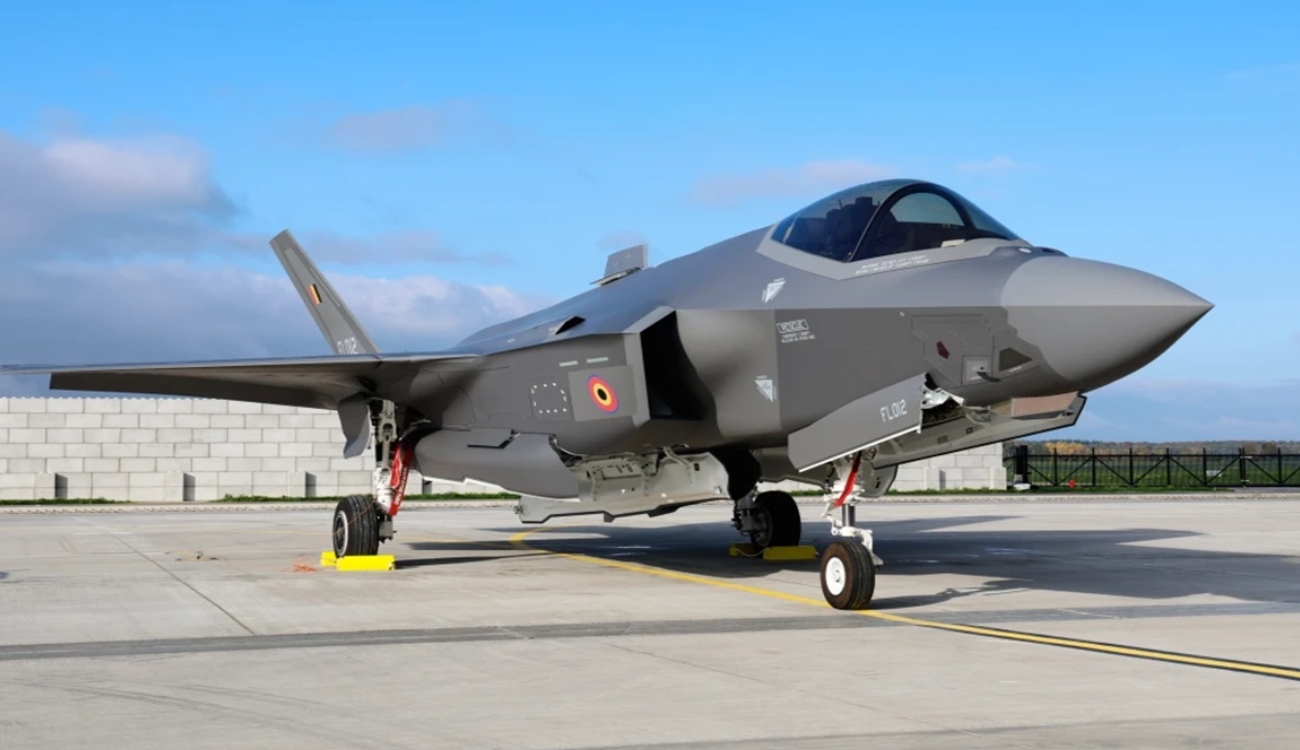
Tensions in West Asia have intensified sharply as Iran claimed it shot down a second US F-35 fighter jet over central regions of the country. According to reports cited by Reuters and Iran’s Mehr News Agency, the pilot is unlikely to have survived.
The development marks a serious escalation in the ongoing conflict involving Iran, the United States, and its allies.
Missile Strikes and Explosions Reported Across Iran and Israel
Iran also launched missiles targeting Israel and several Gulf nations. Explosions were reported in Tehran as well as the central city of Isfahan, indicating a widening conflict zone.
These attacks come amid increased US military activity in the region, with Washington preparing to further strengthen its presence in West Asia.
Iranian Drones Target Kuwait Oil Refinery
In a significant development impacting global energy markets, Iranian drones reportedly struck Kuwait’s Mina al-Ahmadi oil refinery. According to Associated Press, the attack triggered fires at the facility.
State-run Kuwait Petroleum Corporation confirmed the incident, stating that emergency teams were deployed to control the blaze. Fortunately, no injuries were reported. The refinery has been targeted multiple times during the ongoing conflict, raising concerns about regional energy security.
Trump Warns Iran of Further Military Action
US President Donald Trump has issued a strong warning, stating that American forces will continue to strike Iran “very hard” over the next two to three weeks.
In a post on Truth Social, Trump also highlighted recent US strikes on major Iranian infrastructure, including a key bridge, as a signal of consequences if Iran refuses to engage in negotiations.
US Military Presence Expands in the Region
The US Navy’s 6th Fleet has reportedly deployed one of its largest aircraft carriers, which recently sailed from Split, Croatia. The fleet remains ready for full-scale operations, underscoring Washington’s preparedness for further escalation.
Strait of Hormuz Tensions Drive Oil Prices Higher
Iran’s increasing attacks on Gulf energy infrastructure and its strategic control over the Strait of Hormuz—a vital route for nearly 20% of global oil and gas transit—have sent shockwaves through global markets. Oil prices have surged amid fears of supply disruptions.
Former CIA Chief Warns of Long-Term Consequences
Former CIA Director Bill Burns described the US-Israel military campaign against Iran as a “war of choice.” Speaking in a podcast with Foreign Affairs, Burns warned that such actions could strengthen hardline elements within Iran’s leadership.
He noted that while Iran may struggle economically, its political system is structured to survive internal and external pressures, including leadership losses.
Conclusion: Conflict Intensifies with Global Implications
The rapidly escalating conflict between Iran, the US, and its allies is raising serious concerns worldwide. From military strikes and energy infrastructure attacks to rising oil prices, the situation continues to evolve with far-reaching geopolitical and economic consequences.
As tensions rise, the possibility of broader regional instability remains a critical concern for the global community.