

As tensions escalate due to military confrontations involving Iran, the United States, and Israel, the blockade of this vital shipping route has triggered widespread concerns about energy security, global trade, and the safety of international vessels.
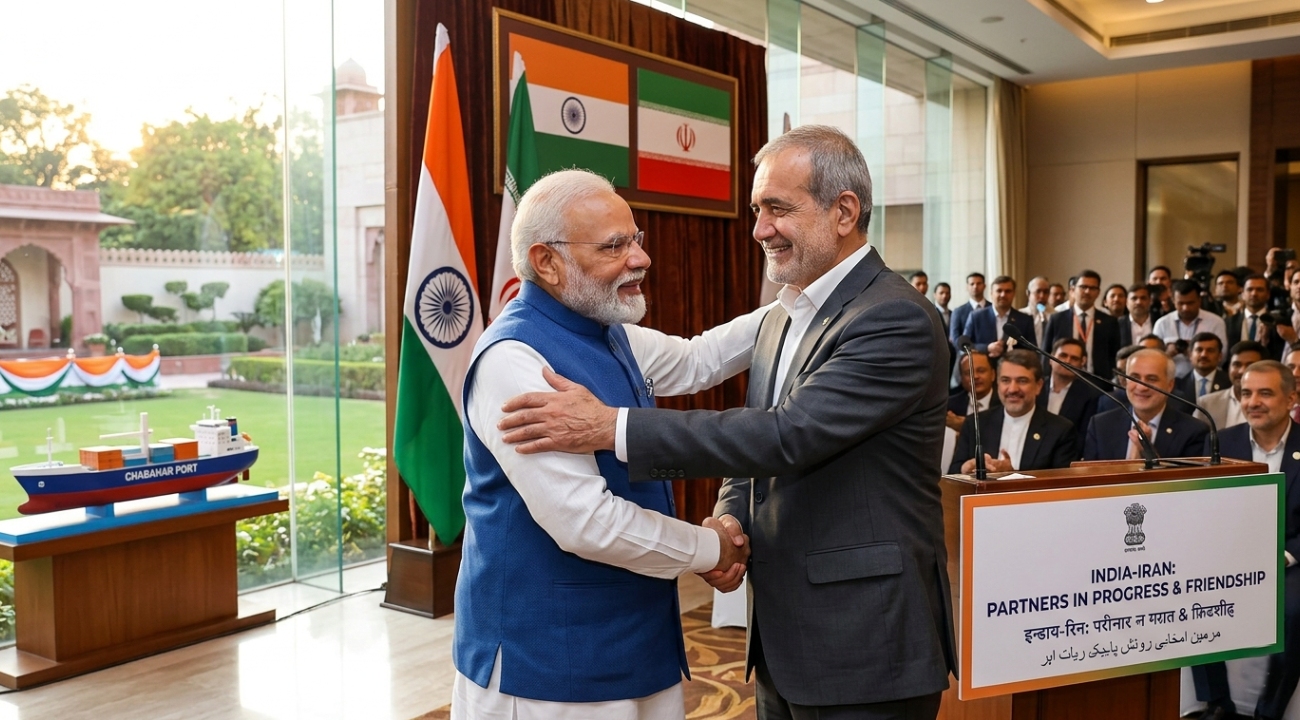
Amid these uncertainties, Iran has issued a reassuring message specifically directed at India, stating that “Indian friends are in safe hands, no worries.” This statement has significant geopolitical and economic implications, especially for a country like India, which relies heavily on energy imports passing through the region.
This article explores the evolving situation in depth, analyzing the Hormuz blockade, Iran-India relations, global consequences, maritime risks, and what lies ahead.
Understanding the Strategic Importance of the Strait of Hormuz
The Strait of Hormuz is not just a narrow waterway; it is the lifeline of global energy trade. Located between Iran and Oman, this strategic passage connects the Persian Gulf with the Arabian Sea and the wider Indian Ocean.
- Nearly 20% of the world’s oil supply passes through this route.
- It is a crucial channel for liquefied natural gas (LNG) shipments.
- Major oil-exporting nations like Saudi Arabia, Iraq, UAE, and Kuwait depend on it.
For India, the importance is even more pronounced:
- A large share of India’s crude oil and LPG imports transits through Hormuz.
- Any disruption directly impacts fuel prices, inflation, and economic stability.
The blockade, therefore, is not just a regional issue—it is a global economic concern.
Background: The West Asia War and Escalation
The current crisis stems from escalating hostilities following a military offensive involving Iran and Western allies. Since late February 2026, tensions have intensified dramatically, leading to:
- Attacks on oil tankers and commercial vessels
- Military presence in the Gulf region
- Closure or restriction of maritime routes
The blockade of the Strait of Hormuz has become a strategic tool in this conflict, with Iran asserting control over the passage and limiting ship movement.
As a result:
- Hundreds of ships have been affected
- Thousands of sailors are stranded in the region
- Global oil prices have surged
Iran’s Assurance to India: A Strategic Message
Amid rising concerns, Iran has made a targeted diplomatic move by reassuring India of safe passage.
Key Highlights of Iran’s Statement:
- India has been described as a “friendly nation”
- Iranian authorities have promised safe transit for Indian vessels
- Several Indian ships have already been allowed to pass safely
According to reports:
- At least eight Indian ships have exited the Strait safely
- Select vessels carrying LPG and crude oil have been given clearance
This reassurance is not merely symbolic—it reflects the strong diplomatic and economic ties between India and Iran.
India’s Response: Strategic Preparedness
The Indian government has taken proactive steps to ensure national security and energy stability.
Key Measures Taken by India:
1. Naval Escorts
The Indian Navy is actively escorting oil tankers through high-risk zones to ensure safe passage.
2. Energy Supply Management
Authorities have confirmed that there is no shortage of fuel or gas in India despite the crisis.
3. Diplomatic Engagement
India continues to engage with Iran and other global powers to maintain secure trade routes.
4. Diversification of Imports
Efforts are being made to source energy from alternative routes and suppliers.
Risks Faced by Indian Seafarers
While diplomatic assurances are encouraging, the ground reality remains complex.
Major Risks Include:
- Attacks on commercial vessels
- Stranding of ships in conflict zones
- Psychological stress among crew members
- Risk of abandonment by shipping companies
Reports indicate that Indian sailors have already suffered casualties in earlier incidents.
The situation highlights the vulnerability of maritime workers during geopolitical conflicts.
Global Impact of the Hormuz Blockade
The closure of the Strait of Hormuz has far-reaching consequences beyond India.
1. Rising Oil Prices
Global crude oil prices have surged due to supply disruptions.
2. Food Security Concerns
Fertilizer supply chains are affected, increasing risks of food shortages.
3. Trade Disruptions
Shipping delays and increased insurance costs are impacting global trade.
4. Economic Instability
Developing economies are particularly vulnerable to fuel price inflation.
Diplomatic Efforts and International Pressure
The international community is actively working to resolve the crisis.
- Over 40 countries are involved in diplomatic discussions to reopen the Strait
- The United Nations is considering humanitarian corridors
- Global powers are exploring economic and military options
However, achieving consensus remains challenging due to geopolitical divisions.
Selective Passage: Iran’s Strategic Leverage
Iran’s decision to allow selective passage to certain countries, including India, reflects a calculated geopolitical strategy.
Why India?
- Long-standing diplomatic relations
- Energy trade partnerships
- Strategic neutrality in global conflicts
By allowing Indian vessels, Iran aims to:
- Maintain strong bilateral ties
- Avoid alienating key economic partners
- Demonstrate controlled authority over the Strait
The Energy Security Challenge for India
India’s dependence on imported energy makes it particularly vulnerable.
Key Concerns:
- Supply disruptions
- Rising import costs
- Pressure on the Indian rupee
- Inflation in fuel and essential commodities
Despite these challenges, India’s strategic reserves and diversified sourcing provide a buffer.
Maritime Security and Military Dynamics
The Hormuz crisis has also intensified military activity in the region.
- Naval deployments have increased
- Surveillance operations are ongoing
- Risk of direct confrontation remains high
India’s naval presence plays a crucial role in safeguarding its interests.
Economic Implications for India
The blockade has both short-term and long-term economic impacts.
Short-Term Effects:
- Fuel price volatility
- Increased logistics costs
- Supply chain disruptions
Long-Term Effects:
- Push for renewable energy
- Strengthening strategic reserves
- Expansion of alternative trade routes
Humanitarian Concerns
Beyond economics and politics, the crisis has a significant human cost.
- Thousands of sailors stranded
- Limited access to food and medical supplies
- Rising mental health challenges
The need for humanitarian corridors is becoming increasingly urgent.
Future Outlook: What Lies Ahead?
The future of the Strait of Hormuz remains uncertain.
Possible Scenarios:
- Diplomatic Resolution
- Reopening of the Strait
- Stabilization of global markets
- Prolonged Conflict
- Continued disruptions
- Economic slowdown
- Military Escalation
- Direct confrontation
- Severe global consequences
India’s strategy will likely focus on balance, diplomacy, and preparedness.
Conclusion
The statement “Indian friends are in safe hands” comes as a moment of reassurance in an otherwise volatile geopolitical landscape. While Iran’s assurance reflects strong bilateral ties and strategic diplomacy, the broader situation remains fragile and unpredictable.
The Strait of Hormuz continues to be a focal point of global tension, with implications that extend far beyond West Asia. For India, the crisis underscores the importance of energy security, maritime safety, and diplomatic agility.
As the world watches closely, the need for peaceful resolution, international cooperation, and humanitarian considerations has never been more critical. Whether through diplomacy or strategic resilience, navigating this crisis will define not only regional stability but also the future of global trade and energy security.