





Iranian Oil Tanker Reroutes from India to China Amid Payment Uncertainty
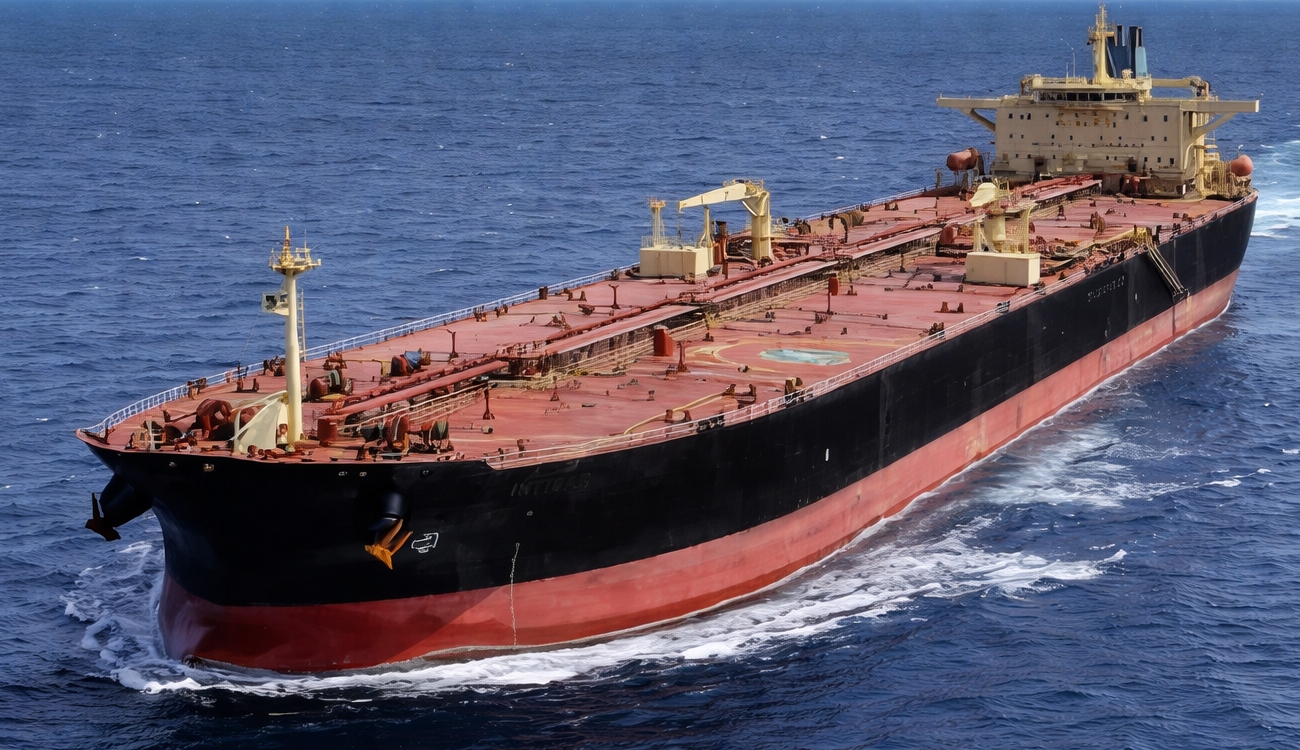
In a significant development in global oil trade, a US-sanctioned tanker carrying Iranian crude has changed its course mid-voyage, shifting its destination from India to China. The Aframax tanker Ping Shun, which had earlier signalled Vadinar in Gujarat, is now heading toward Dongying in China, according to data from ship-tracking firm Kpler.
This unexpected rerouting highlights the growing complexity of international oil trade, particularly amid sanctions and evolving financial conditions.
First Iranian Oil Shipment to India Since 2019 Put on Hold
The shipment onboard Ping Shun was expected to mark India’s first import of Iranian crude oil in nearly seven years. India had halted such imports in 2019 following tightened US sanctions on Iran.
Indian refiners had recently begun exploring opportunities to purchase Iranian oil again after Washington issued a temporary sanctions waiver. However, the sudden change in the tanker’s destination has cast uncertainty over those plans.
Payment Issues Behind Sudden Route Change
Experts suggest that the rerouting is likely linked to payment-related challenges. According to market analysts, sellers are moving away from earlier flexible credit terms of 30–60 days and are now demanding quicker or upfront payments.
This shift has made transactions more difficult, especially given Iran’s limited access to global financial systems. The lack of clarity around buyers, sellers, and payment mechanisms further complicates the situation.
Vadinar Refinery and Strategic Importance
Vadinar, the tanker’s earlier destination, houses a major refinery operated by Nayara Energy, backed by Russian oil giant Rosneft. The refinery has historically processed Iranian crude due to its compatibility and cost-effectiveness.
A successful delivery would have signaled a potential revival of India-Iran oil trade ties, but the current development underscores the fragile nature of such transactions.
US Sanctions and Temporary Waiver Impact Oil Trade
The US recently introduced a 30-day waiver allowing limited transactions involving Iranian oil stored at sea, aiming to stabilize global oil prices amid rising geopolitical tensions.
This waiver, set to expire on April 19, opened a narrow window for countries like India to explore purchases. However, financial and logistical hurdles continue to pose major challenges.
SWIFT Restrictions Continue to Block Transactions
A key obstacle remains Iran’s exclusion from the SWIFT global banking system. This restriction makes it extremely difficult to process international payments for oil shipments.
In the past, India used alternative channels, including euro-based transactions through intermediary banks, but such options are no longer viable under current sanctions.
China Remains Key Buyer of Iranian Crude
With India facing payment and compliance challenges, China continues to be a primary buyer of Iranian oil. The rerouting of Ping Shun to Dongying reflects this ongoing trend.
Analysts note that China and some Southeast Asian countries are better positioned to handle such transactions under existing constraints.
India’s Historical Dependence on Iranian Oil
Before sanctions were tightened, India was one of the largest importers of Iranian crude. At its peak in 2018, Iranian oil accounted for over 11% of India’s total imports.
The country imported up to 518,000 barrels per day, benefiting from favorable pricing and refinery compatibility. However, imports dropped sharply in 2019 and have remained at zero since then.
Conclusion: Trade Dynamics Shaped by Finance and Politics
The mid-voyage rerouting of the Ping Shun tanker highlights how global oil trade is increasingly influenced not just by logistics, but also by financial constraints and geopolitical factors.
As sanctions, payment challenges, and market conditions continue to evolve, the future of Iranian crude exports to countries like India remains uncertain.