




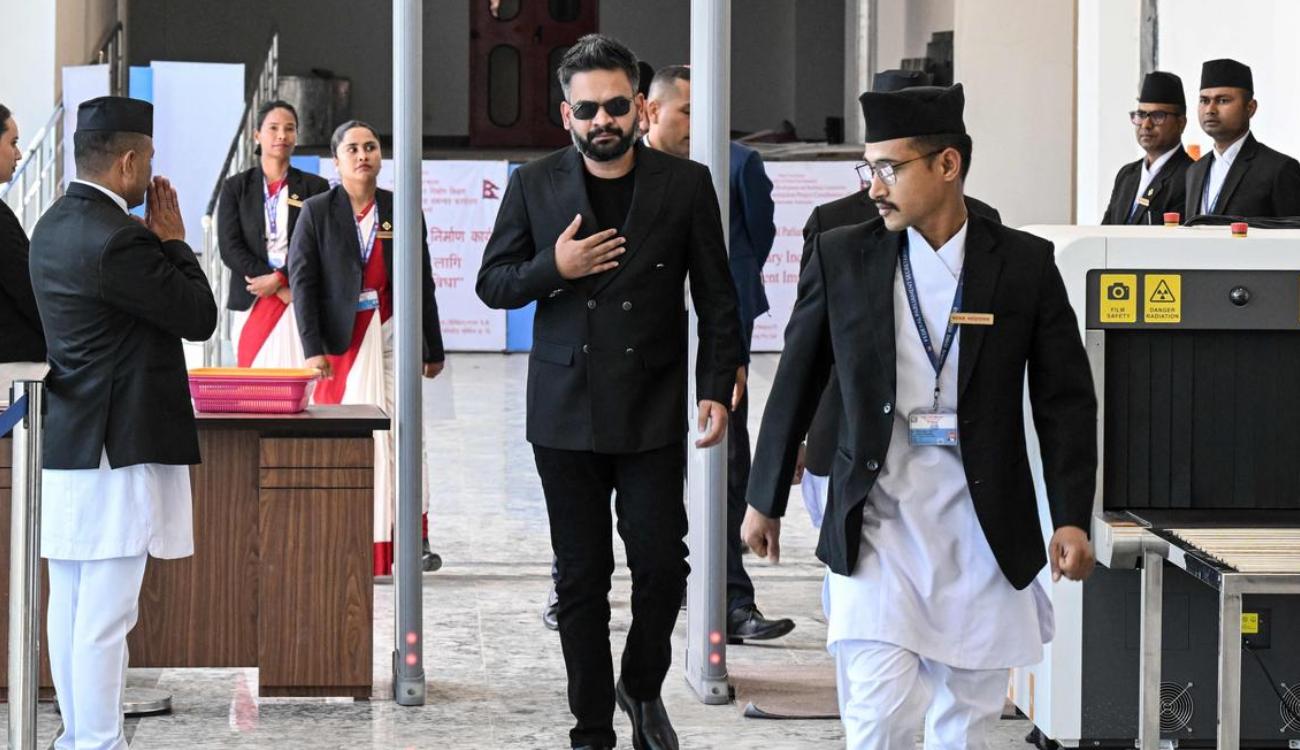
People have been paying attention to Balendra Shah since he took office, not just because of what he has done but also because he hasn’t said anything. He hasn’t said anything in public since he became Prime Minister on March 27, after Nepal’s first election since the Gen Z protests. This has made people, experts, and political observers question his style of leadership and how he runs the government.
A Quiet Start Makes People Wonder
When a new Prime Minister takes over, people usually expect to hear from them regularly, get updates, and be reassured. Since taking the oath, though, Balendra Shah has not said a word in public. Many people are surprised by this lack of communication, especially since the country is going through political and social changes right now.
People are now curious as to why the Prime Minister has chosen not to speak. Some people think he is more focused on action than words, while others think that communication is just as important in a democracy.
Quick Choices, Less Talk
The Prime Minister hasn’t said anything publicly, but his government has moved very quickly. Several important decisions were made just hours after the government was formed.
The government said these actions were meant to honor the will of the people and respond to the energy of the Gen Z protests. It seems clear that the main goal is speed and immediate action.
But this method has also caused some worries. Critics say that making quick decisions without enough discussion or consultation can hurt fairness and openness.
Arrests of Famous People Cause Controversy
The arrest of former Prime Minister K.P. Sharma Oli and former Home Minister Ramesh Lekhak was one of the most important events.
On March 28, just one day after Shah took office, they were arrested. The charges are about supposed negligence during the protests in September, when a number of people died.
After these arrests, more things happened:
More people were arrested.
Some business people were asked questions in cases of money laundering.
These quick actions have made it clear that the new government is serious about being held accountable. But they have also raised questions about whether the right legal steps are being taken.
Worries About the Way the Government Works
People are mostly talking about how to find the right balance between speed and following the rules.
Many people like how quickly the government responds and how willing it is to take action on the other hand. People wanted change after months of protests, and it looks like Shah’s government is giving it to them.
Experts, on the other hand, say that:
Not talking to each other can cause confusion.
Institutions may become weaker if decisions are made quickly without consulting others.
There must be strict legal steps to follow when arresting political figures.
Democracy needs more than just action; it also needs openness, accountability, and public trust.
The Big Picture
Nepal is now in an important time after the Gen Z-led protests, which called for better government and accountability. These hopes are closely linked to Balendra Shah’s rise to power.
His government’s early actions show that they want to act quickly and get things done. People are questioning whether the right balance is being kept, though, because there is no direct communication and decisions are made quickly.
The end
Balendra Shah’s first few months as Prime Minister have been a mix of good and bad. Many people think it’s a good change that his government is moving quickly and making big changes. His silence and lack of open communication, on the other hand, have made things unclear. In a democracy, both doing things and talking to people are important. The Prime Minister will need to talk to the public more, explain his choices, and make sure that all actions follow the right legal and institutional steps. In the long run, this balance will determine how people see his leadership.